Molecular Sieve System in Cryogenic Nitrogen Plants
Engineering Guide to Air Purification, Operation, and Performance Reliability
Air purification is a critical step in the operation of cryogenic nitrogen plants. Before air enters the cryogenic section, impurities such as moisture, carbon dioxide, and hydrocarbons must be removed to prevent freezing inside the cold box.
The molecular sieve system in cryogenic nitrogen plants performs this essential purification function. By removing contaminants from the feed air stream, the molecular sieve system protects downstream cryogenic equipment and ensures reliable plant operation.
Failure of the purification system can lead to severe operational problems, including cold box freezing, heat exchanger blockage, and unstable plant performance.
This engineering guide explains the working principles, operational requirements, and common performance issues associated with molecular sieve system in cryogenic nitrogen plants, along with practical methods for maintaining reliable purification performance.
Role of Molecular Sieve System in Cryogenic Nitrogen Plants
Cryogenic nitrogen plants rely on extremely low operating temperatures to separate nitrogen from air through distillation.
At these temperatures, even small amounts of contaminants such as water vapor or carbon dioxide can freeze and accumulate inside the cryogenic heat exchanger or distillation column.
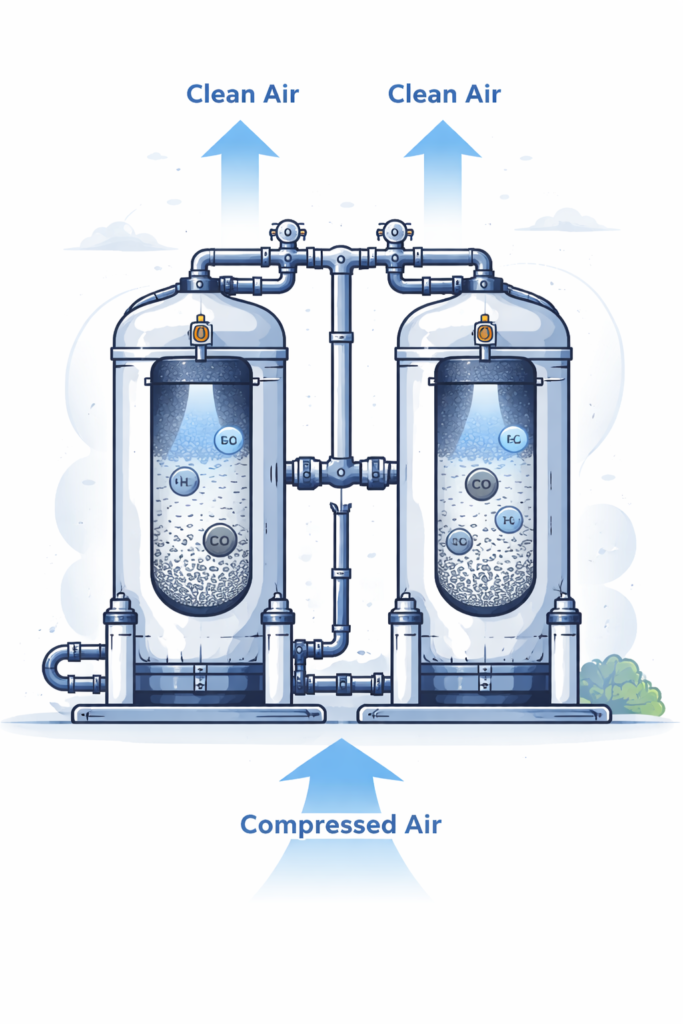
The molecular sieve system in cryogenic nitrogen plants prevents this problem by removing impurities from the compressed feed air before it enters the cold box.
The primary functions of the molecular sieve purification system include:
removal of moisture from compressed air
removal of carbon dioxide
removal of trace hydrocarbons
protection of cryogenic heat exchangers and columns
Without proper purification, contaminants can freeze inside the cryogenic section and severely affect plant operation.
Therefore, the reliability of the molecular sieve system in cryogenic nitrogen plants is directly linked to the overall reliability of the plant.
Components of Molecular Sieve Systems
A typical molecular sieve purification system consists of several key components that work together to remove impurities from the feed air stream.
Adsorption Vessels
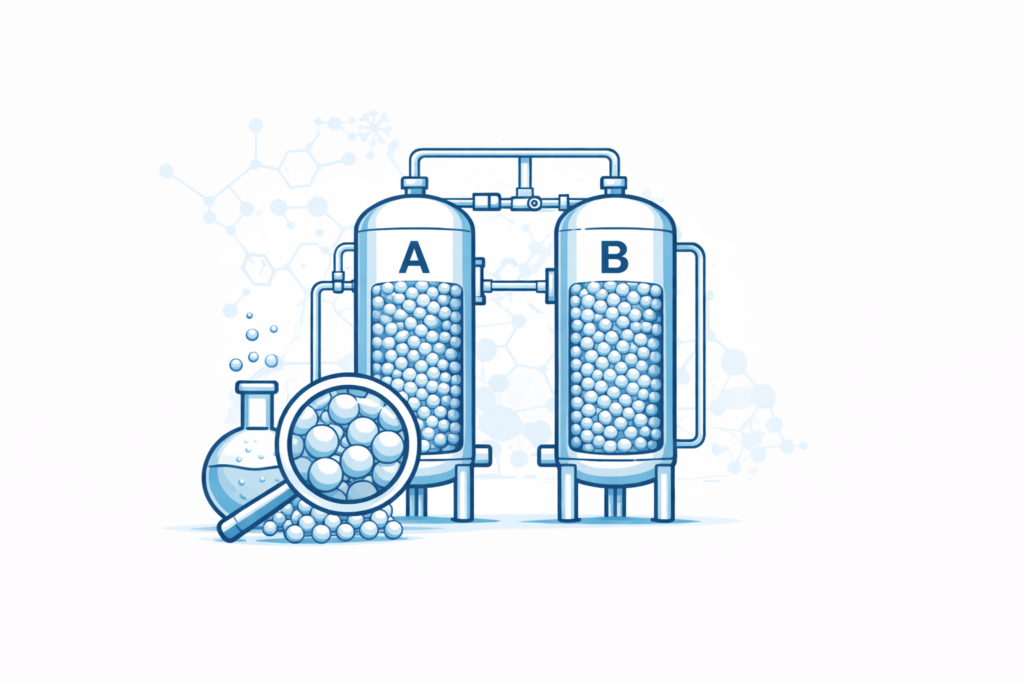
Most purification systems use two adsorption vessels operating in alternating cycles.
One vessel is in adsorption mode while the other is undergoing regeneration. This dual-vessel arrangement ensures continuous purification of the incoming air stream.
Each adsorption vessel contains layers of adsorbent materials designed to remove specific contaminants.

Adsorbent Materials
The adsorbent bed inside the vessel typically contains several layers of materials including:
activated alumina for moisture removal
molecular sieve for carbon dioxide removal
sometimes additional layers for hydrocarbon removal
These materials selectively adsorb contaminants while allowing clean air to pass through.
The efficiency of the molecular sieve system in cryogenic nitrogen plants depends heavily on the condition and performance of these adsorbent materials.

Switching Valves
Automatic switching valves control the flow of air between the adsorption vessels.
These valves periodically switch the active adsorption bed to regeneration mode while the other bed takes over purification duty.
Reliable valve operation is essential for maintaining continuous purification.
Regeneration System
The regeneration system restores the adsorption capacity of the molecular sieve bed.
During regeneration, a portion of dry product gas is heated and passed through the saturated adsorbent bed to remove accumulated contaminants.
Proper regeneration is essential for maintaining long-term performance of molecular sieve system in cryogenic nitrogen plants.
Operating Principle of Molecular Sieve Systems
The molecular sieve system in cryogenic nitrogen plants operates using the principle of adsorption.
Adsorption is a process in which gas molecules adhere to the surface of solid materials.
Molecular sieve materials contain microscopic pores that selectively capture contaminants such as moisture and carbon dioxide.
When compressed air passes through the adsorption bed:
water vapor molecules are adsorbed first
carbon dioxide molecules are adsorbed next
clean air exits the purification vessel
Over time, the adsorption bed becomes saturated and must be regenerated.
The purification system therefore operates in repeating cycles consisting of:
adsorption
depressurization
heating and regeneration
cooling and repressurization
These cycles ensure continuous removal of contaminants from the feed air stream.

Importance of Proper Air Purification
Air purification is essential for protecting the cryogenic section of the nitrogen plant.
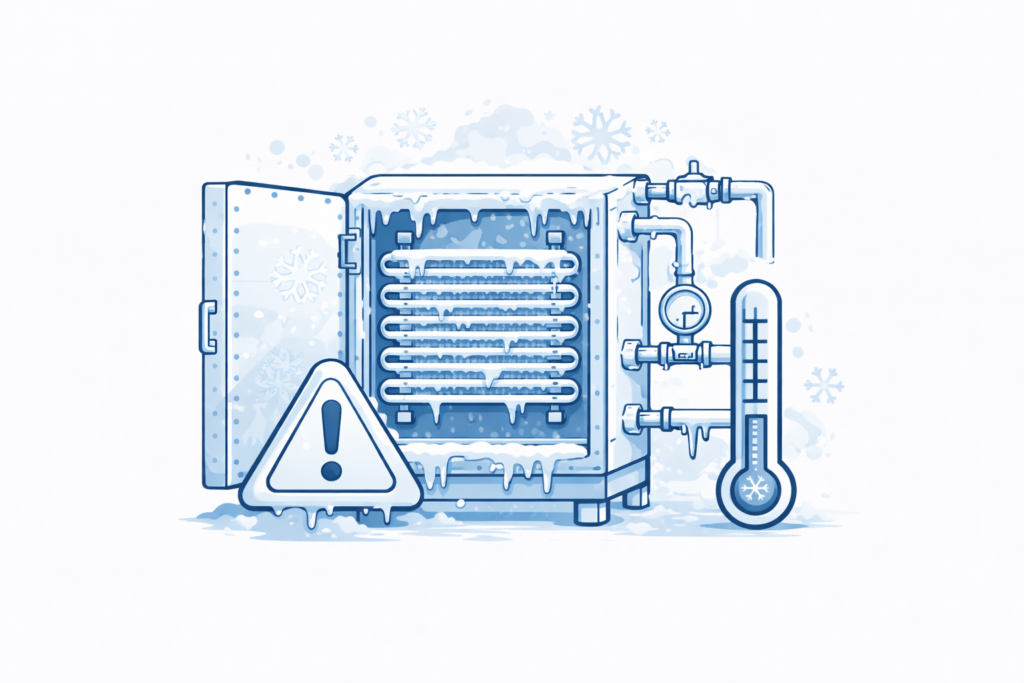
If contaminants enter the cold box, they can freeze at cryogenic temperatures and accumulate inside heat exchanger passages.
This can lead to several operational problems including:
reduced heat exchanger efficiency
increased pressure drop
unstable plant operation
eventual plant shutdown
Reliable operation of the molecular sieve system in cryogenic nitrogen plants therefore plays a critical role in maintaining plant stability.
Common Molecular Sieve Performance Problems
Although molecular sieve systems are designed for reliable operation, several factors can affect purification performance.
Understanding these issues helps plant engineers diagnose and prevent purification failures.
Incomplete Regeneration
One of the most common causes of purification problems is incomplete regeneration of the adsorption bed.
If regeneration temperature or flow is insufficient, contaminants may remain in the adsorbent material.
This gradually reduces adsorption capacity and can lead to contamination of the cryogenic section.
Adsorbent Degradation
Over time, molecular sieve materials may degrade due to:
mechanical attrition
contamination by hydrocarbons
thermal damage
Degraded adsorbent material loses its adsorption capacity and reduces purification efficiency.
Regular monitoring of the molecular sieve system in cryogenic nitrogen plants is necessary to detect these issues.

Channeling in Adsorption Bed
Channeling occurs when air flows through preferential paths inside the adsorbent bed rather than evenly through the entire bed.
This reduces contact between air and adsorbent material, decreasing purification efficiency.
Channeling can occur due to improper bed loading or adsorbent degradation.
Valve Malfunction
Improper operation of switching valves can disrupt adsorption cycles.
If valves fail to switch correctly, regeneration cycles may not occur as designed.
Valve problems can therefore significantly affect the reliability of the molecular sieve system in cryogenic nitrogen plants.
Indicators of Molecular Sieve System Problems
Several operational indicators may signal declining purification performance.
Recognizing these early signs allows engineers to address problems before serious plant disturbances occur.
Common indicators include:
increasing pressure drop across the adsorption bed
gradual rise in cold box temperature difference
nitrogen purity instability
presence of moisture or carbon dioxide in downstream analyzers
These symptoms often indicate problems with the molecular sieve system in cryogenic nitrogen plants.
Maintenance and Operational Best Practices
Maintaining reliable purification performance requires careful operation and maintenance of the molecular sieve system.
Several best practices can help ensure long-term system reliability.
Monitoring Regeneration Temperature
Proper regeneration temperature is essential for removing contaminants from the adsorbent bed.
Insufficient regeneration temperature may leave residual moisture or carbon dioxide inside the adsorbent material.
Monitoring regeneration temperature helps ensure proper bed regeneration.
Maintaining Proper Switching Cycles
Adsorption and regeneration cycles must follow the correct timing sequence.
Incorrect switching intervals may lead to incomplete regeneration or premature bed saturation.
Maintaining proper cycle timing helps preserve the performance of the molecular sieve system in cryogenic nitrogen plants.
Periodic Adsorbent Replacement
Adsorbent materials gradually lose performance over time.
Periodic replacement of molecular sieve materials ensures continued purification efficiency and reliable plant operation.
Regular Valve Inspection
Switching valves and control valves should be inspected regularly to ensure reliable operation.
Valve leakage or malfunction can disrupt purification cycles and affect plant stability.
Relationship Between Purification Performance and Plant Stability
The performance of the purification system has a direct impact on overall plant stability.
If contaminants enter the cryogenic section, freezing may occur inside heat exchangers.
This can cause:
Increased Pressure Drop
Unstable Temperature Profiles
Reduced Plant Capacity
Potential Plant Trips
Maintaining reliable operation of the molecular sieve system in cryogenic nitrogen plants is therefore essential for maintaining stable plant performance.
Using Process Data to Monitor Purification Performance
Process data from the plant control system can provide valuable insight into purification system performance.
Trend monitoring of key parameters can help detect early signs of purification problems.
Important variables to monitor include:
adsorption bed pressure drop
regeneration gas temperature
switching valve performance
cold box temperature profiles
Careful analysis of these parameters helps engineers maintain reliable operation of the molecular sieve system in cryogenic nitrogen plants.

Engineering Resources for Air Purification Systems
Engineers responsible for nitrogen plant operation often rely on structured engineering resources to diagnose purification problems and improve system performance.
Useful resources include:

Cryogenic Nitrogen Plant Troubleshooting Guides
Practical troubleshooting references that help plant engineers identify root causes of operational problems such as purity fluctuations, cold box freezing, plant trips, and process instability.

Engineering Diagnostics Frameworks
Structured diagnostic approaches that allow engineers to systematically evaluate plant performance, isolate process disturbances, and determine the underlying causes of operational issues.

Operational Stability Improvement Methods
Engineering methods focused on improving process balance, control stability, and overall reliability to maintain consistent nitrogen purity and steady plant operation.

Process Trend Analysis Techniques
Analytical techniques for interpreting DCS process trends to detect early signs of plant instability, performance degradation, and abnormal operating conditions.
These resources help engineers approach purification issues using structured engineering analysis.
Related Engineering Insights
For deeper analysis of specific operational problems, explore the following engineering insight articles. These resources examine the root causes, operational mechanisms, and troubleshooting methods for common cryogenic nitrogen plant issues.
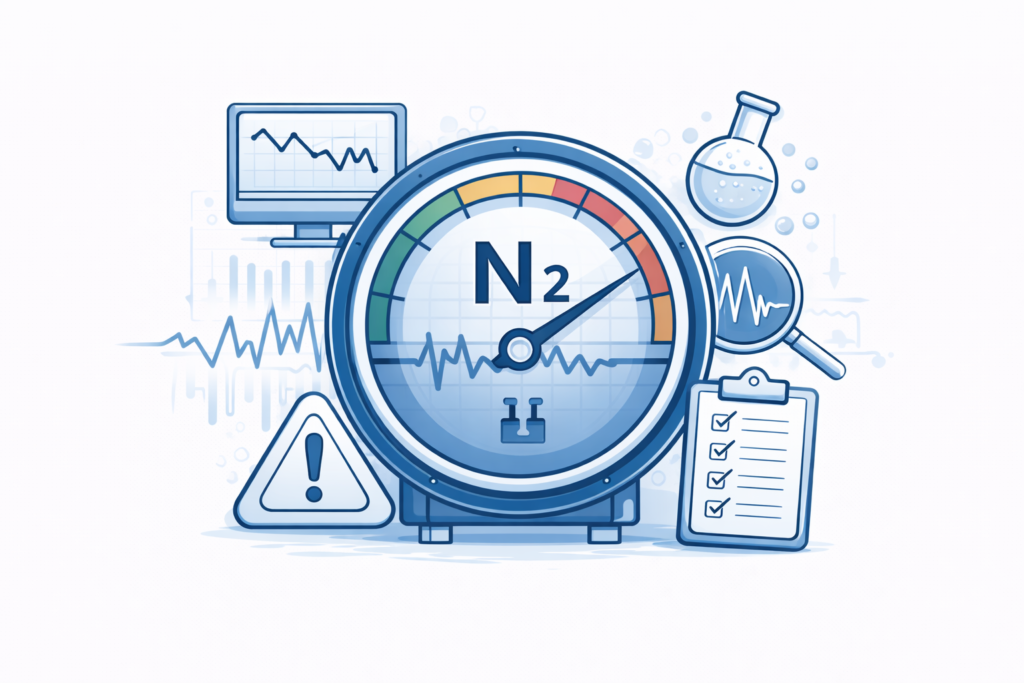
Why Nitrogen Plant Purity Fluctuates
Nitrogen purity fluctuations are often caused by distillation column imbalance, unstable reflux conditions, feed pressure variations, or analyzer drift. This article explains the engineering reasons behind purity instability and how plant engineers can diagnose and correct the underlying process disturbances.

Molecular Sieve Failure in Cryogenic Nitrogen Plants
The molecular sieve system plays a critical role in removing moisture, carbon dioxide, and hydrocarbons from the incoming air stream. This article explains the common causes of molecular sieve failures, including incomplete regeneration, switching valve problems, and adsorbent degradation, and how these issues affect cryogenic plant operation.

Cold Box Freezing in Cryogenic Nitrogen Plants
Cold box freezing occurs when contaminants enter the cryogenic section and freeze within the heat exchanger passages. This article examines the process mechanisms that lead to icing or freezing, the early warning signs engineers should monitor, and practical troubleshooting approaches to prevent major plant disruptions.
Common Causes of Cryogenic Nitrogen Plant Trips
Unexpected plant trips can result from analyzer alarms, compressor protection systems, control system instability, or instrumentation faults. This article analyzes the most common trip scenarios in nitrogen plants and explains how engineers can identify the root cause and reduce recurring shutdowns.

Diagnosing Nitrogen Plant Instability Using Trend Data
Modern cryogenic plants generate extensive process data through distributed control systems. This article explains how engineers can use trend analysis of pressure, temperature, and purity data to detect early signs of instability and identify hidden operational problems.

Why Nitrogen Plant Energy Consumption Increases
Gradual increases in compressor power consumption often indicate process inefficiencies, heat exchanger fouling, pressure imbalance, or refrigeration system losses. This article explains the engineering factors that increase energy usage and how plant operators can improve overall plant efficiency.
Engineering Perspective on Molecular Sieve Systems
The purification system is one of the most critical protective systems in cryogenic nitrogen plants.
Reliable operation of the molecular sieve system in cryogenic nitrogen plants ensures that contaminants are removed before air enters the cryogenic section.
Maintaining purification performance requires careful monitoring, proper regeneration procedures, and regular maintenance.
Plants that maintain reliable purification performance typically experience fewer operational disturbances and improved long-term reliability.
Need Support Diagnosing Molecular Sieve Problems?
Operational issues involving air purification systems can significantly affect plant performance and stability.
Explore specialized cryogenic nitrogen plant consulting services for diagnosing purification problems and improving plant reliability.