How to Diagnose Molecular Sieve Failure in Nitrogen Plant Pretreatment Systems
Understanding the causes, symptoms, and engineering solutions for molecular sieve failure in nitrogen plant air purification systems.
Cryogenic nitrogen plants rely on reliable air purification systems to remove moisture and carbon dioxide before compressed air enters the cold box. These contaminants must be removed effectively to prevent freezing and process disturbances at cryogenic temperatures.
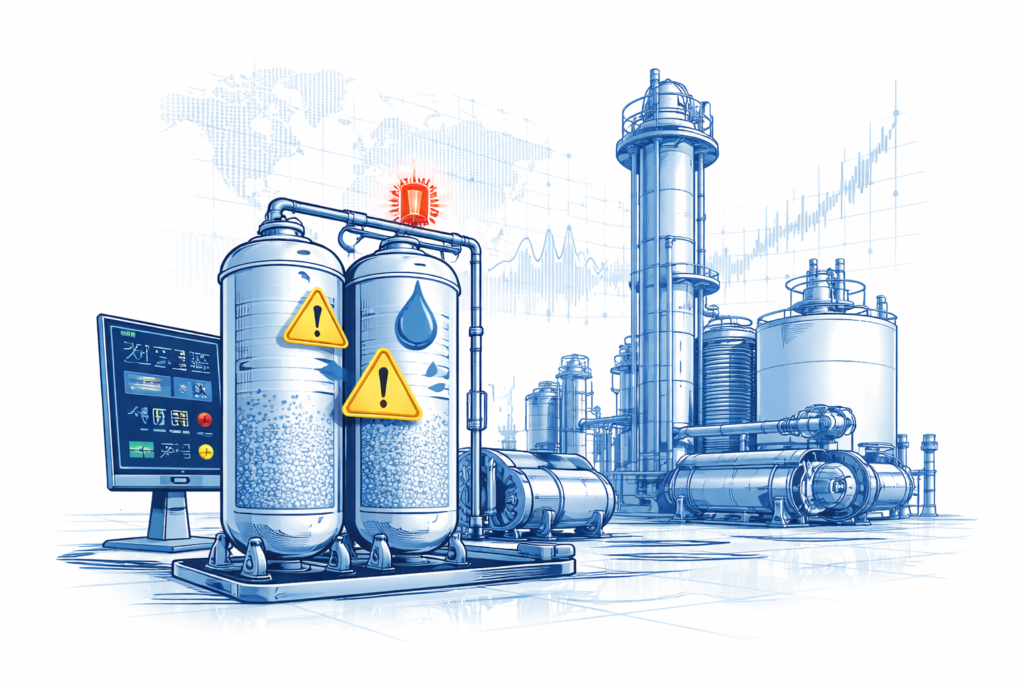
One of the most critical operational issues in air separation systems is molecular sieve failure in nitrogen plant purification units. When adsorption beds begin to degrade or operate incorrectly, moisture and carbon dioxide can pass through the purification system and enter the cold box.
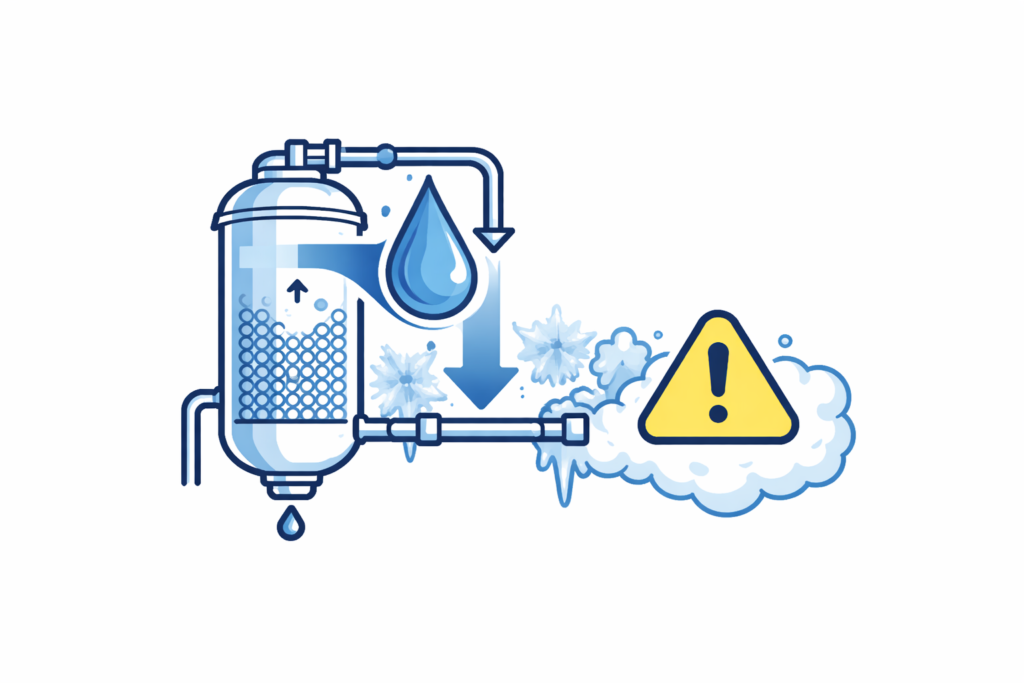
Such contamination can lead to ice formation, carbon dioxide solidification, heat exchanger blockage, and instability in the distillation column. Understanding the causes and early warning signs of molecular sieve failure in nitrogen plant systems is therefore essential for maintaining reliable plant operation.
Molecular sieve failure in nitrogen plant purification systems can often lead to nitrogen purity fluctuation in cryogenic nitrogen plants, affecting overall plant stability.
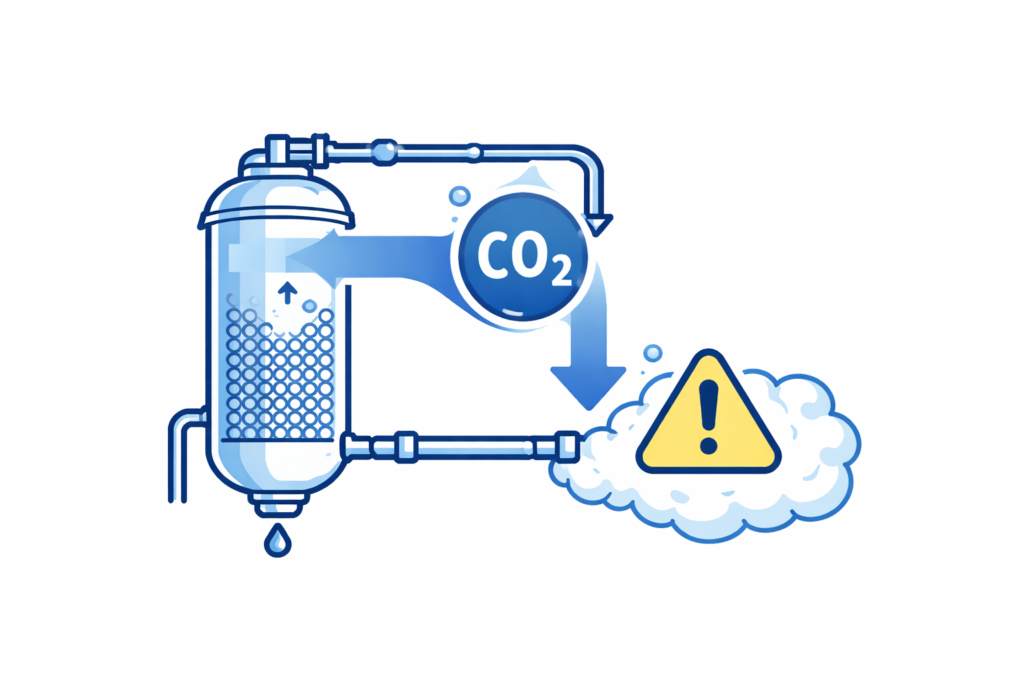
Molecular sieve failure in the pretreatment system is a critical issue that allows moisture and CO₂ to enter the plant, leading to severe downstream problems.
To quickly identify root causes and prevent system-wide failures, use the Cryogenic Nitrogen Plant Troubleshooting Toolkit, which provides a structured approach for diagnosing pretreatment issues.
🔷Quick Engineering Summary
• Molecular sieve units remove moisture and CO₂ before air enters the cold box
• Molecular sieve failure in nitrogen plant systems can allow contaminants into cryogenic equipment
• Ice formation or CO₂ freezing may occur inside the cold box
• Distillation column stability may be affected
• Early detection prevents serious plant disturbances and shutdowns
Operational Symptoms of Molecular Sieve Failure in Nitrogen Plant
Key operational indicators observed when air purification systems begin to fail.
When molecular sieve failure in nitrogen plant purification units occurs, plant engineers may observe several operational symptoms before major process disturbances develop. Recognizing these early signs allows engineers to intervene before cold box contamination occurs.
Moisture Breakthrough
Moisture may pass through adsorption beds when molecular sieve material degrades or adsorption cycles become ineffective.
Breakthrough of moisture and CO₂ is the primary indicator of sieve failure.
You may also read: Cryogenic Heat Exchanger Icing in Nitrogen Plants to understand how contamination leads to icing in the system.
Carbon Dioxide Breakthrough
Carbon dioxide may not be fully removed from the feed air, allowing CO₂ to enter cryogenic equipment where it can solidify.
Contamination directly affects separation efficiency and nitrogen purity.
Refer to Why Nitrogen Plant Purity Fluctuates to understand how process disturbances impact product quality.
Increasing Cold Box Pressure Drop
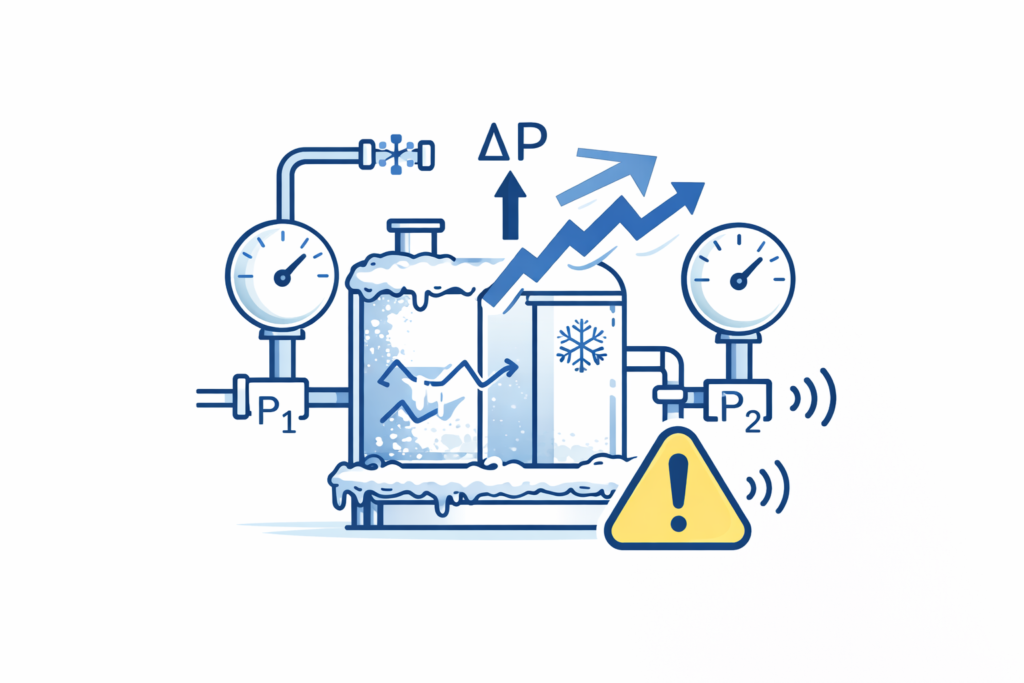
Ice or CO₂ accumulation inside heat exchangers may gradually increase pressure drop.
Once contamination enters the cold box, it can lead to severe freezing and blockage.
Refer to Cold Box Freezing in Nitrogen Plants: Causes, Early Warning Signs & Recovery to understand the consequences and recovery steps.
Distillation Column Instability
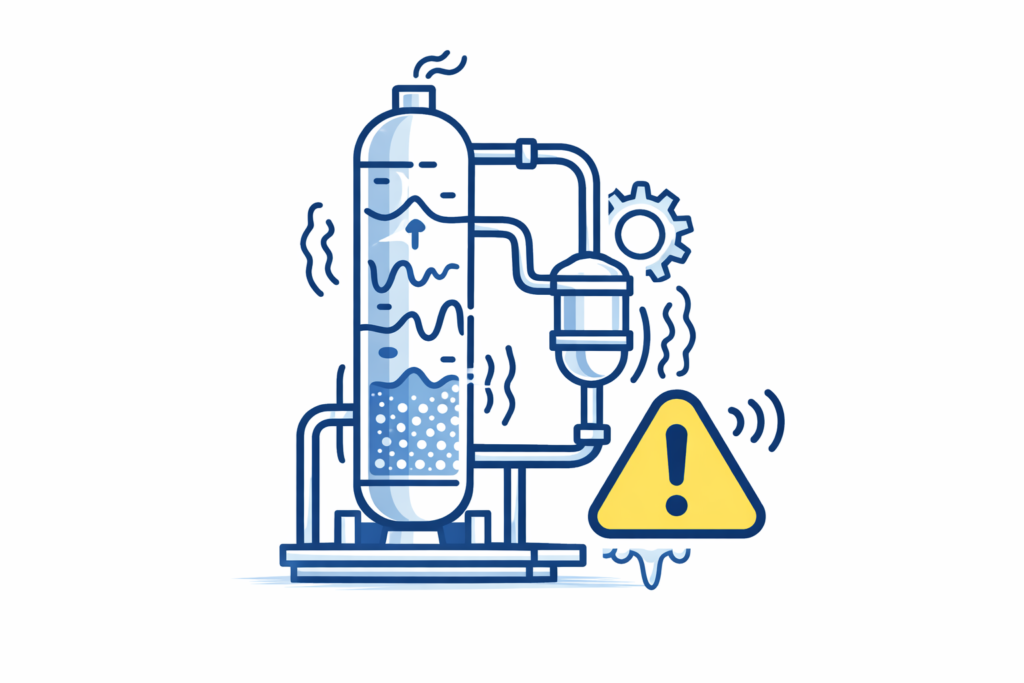
Carbon dioxide may not be fully removed from the feed air, allowing CO₂ to enter cryogenic equipment where it can solidify.
Pretreatment failure affects the entire plant and leads to process instability.
You may also read: Process Instability in Cryogenic Nitrogen Plants to understand how imbalance spreads across systems.
Cold Box Temperature Disturbances
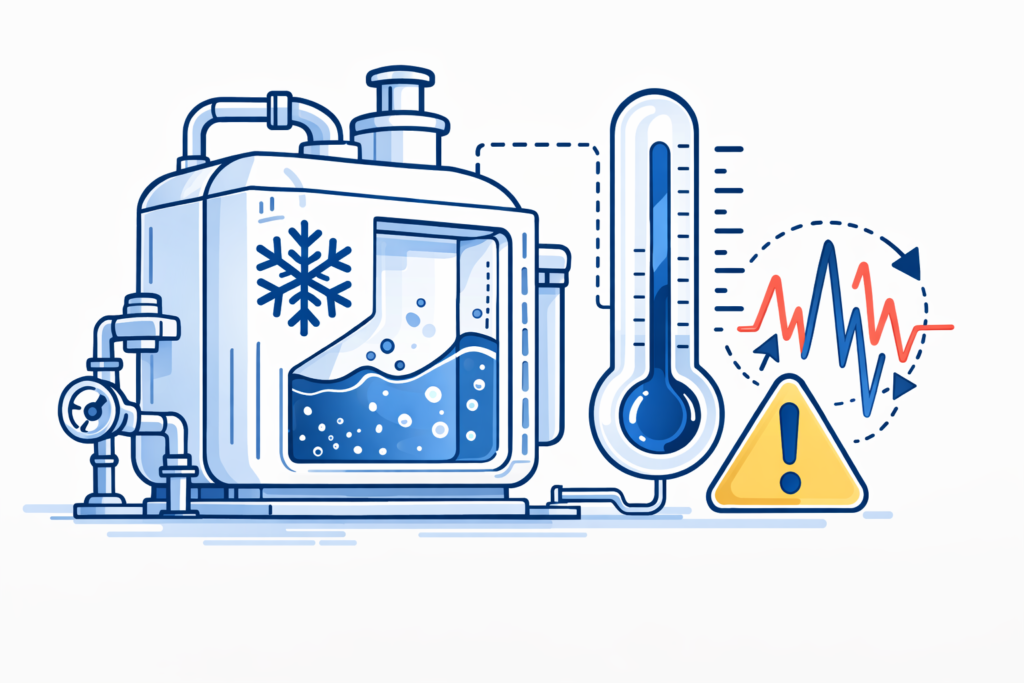
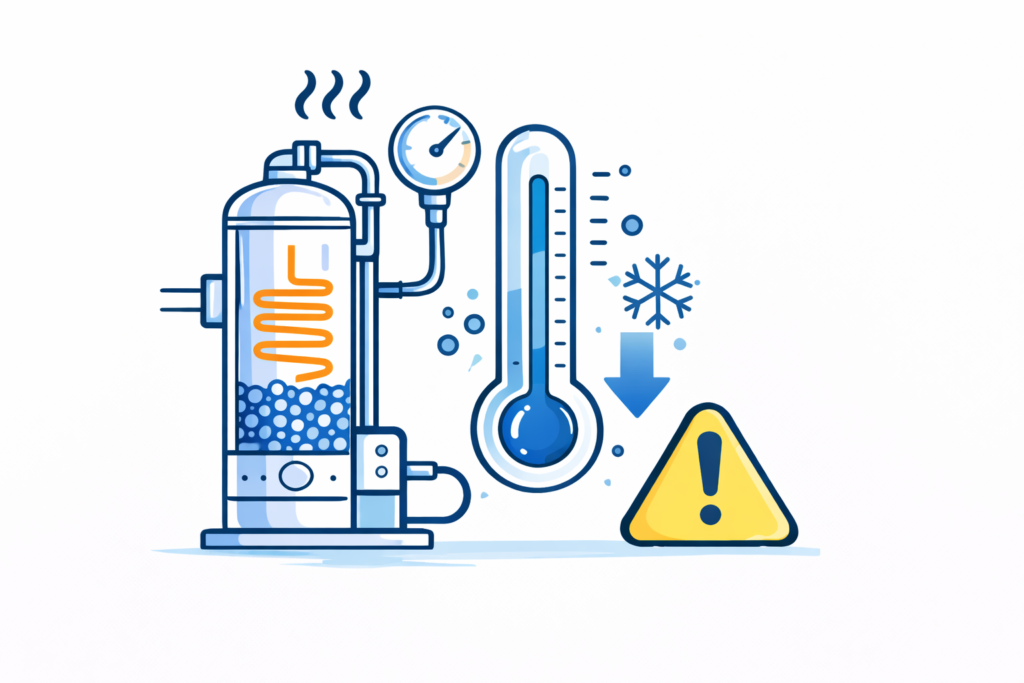
Unexpected temperature profile changes in the cold box may indicate contamination entering the heat exchanger system.
Early detection of sieve degradation is essential to avoid major failures.
You may also read: How to Read Nitrogen Plant Trends to Predict Failures Before They Happen to identify warning signals early.
Abnormal Adsorption Bed Temperature
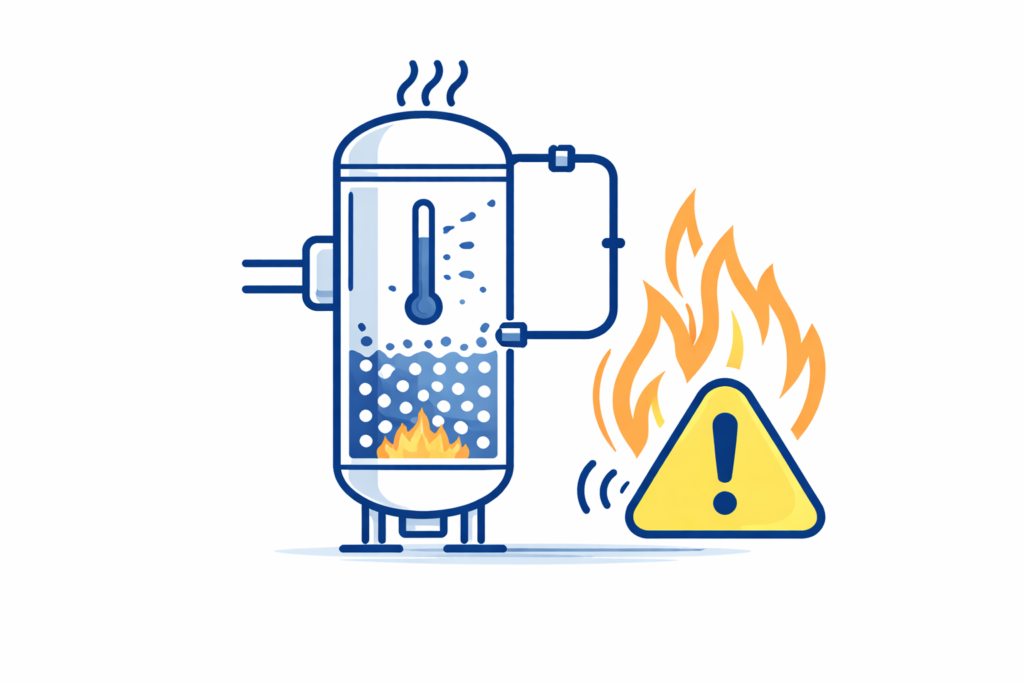
Uneven temperature profiles or unexpected temperature rise during adsorption cycles can suggest declining adsorption efficiency or contaminant breakthrough.
Major Causes of Molecular Sieve Failure in Nitrogen Plant
Common engineering causes affecting air purification system performance.
Several operational and equipment-related issues can contribute to molecular sieve failure in nitrogen plant purification systems.
1. Molecular Sieve Material Degradation
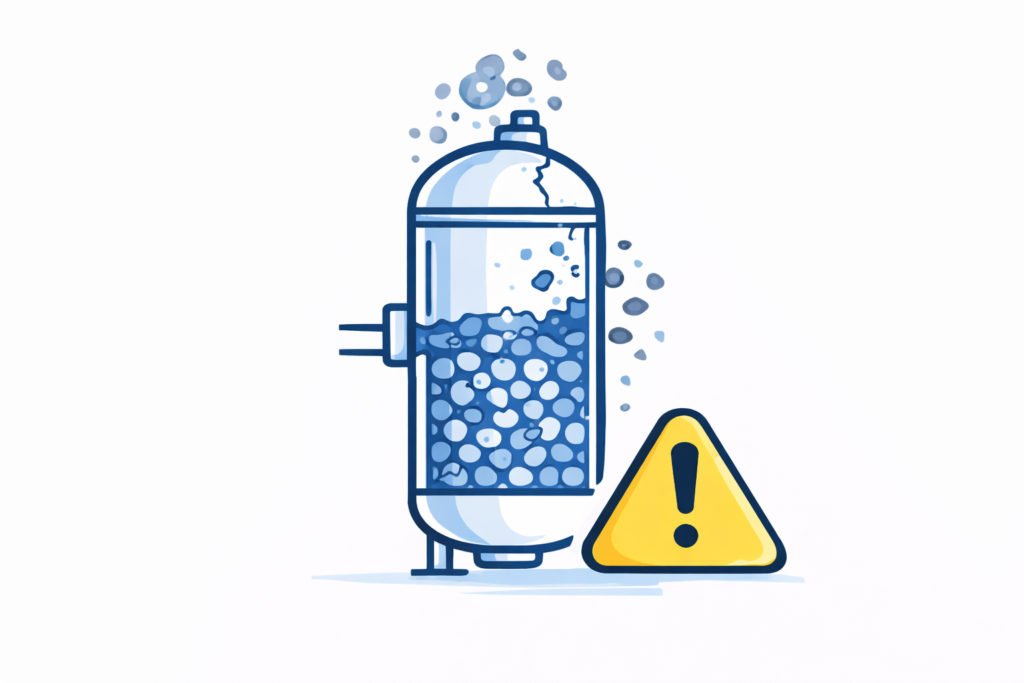
Over time, adsorption material can degrade due to thermal stress, contamination, or mechanical attrition.
Degraded adsorbent reduces the efficiency of moisture and CO₂ removal.
2. Improper Regeneration Temperature
Effective regeneration requires sufficient heating to remove adsorbed moisture and carbon dioxide.
If regeneration temperature is too low, contaminants may remain trapped in the molecular sieve bed.
3. Short Adsorption Cycle Time
Improper cycle timing can prevent full regeneration of the adsorption beds.
This may lead to gradual contamination breakthrough.
4. Impurities in Feed Air Stream
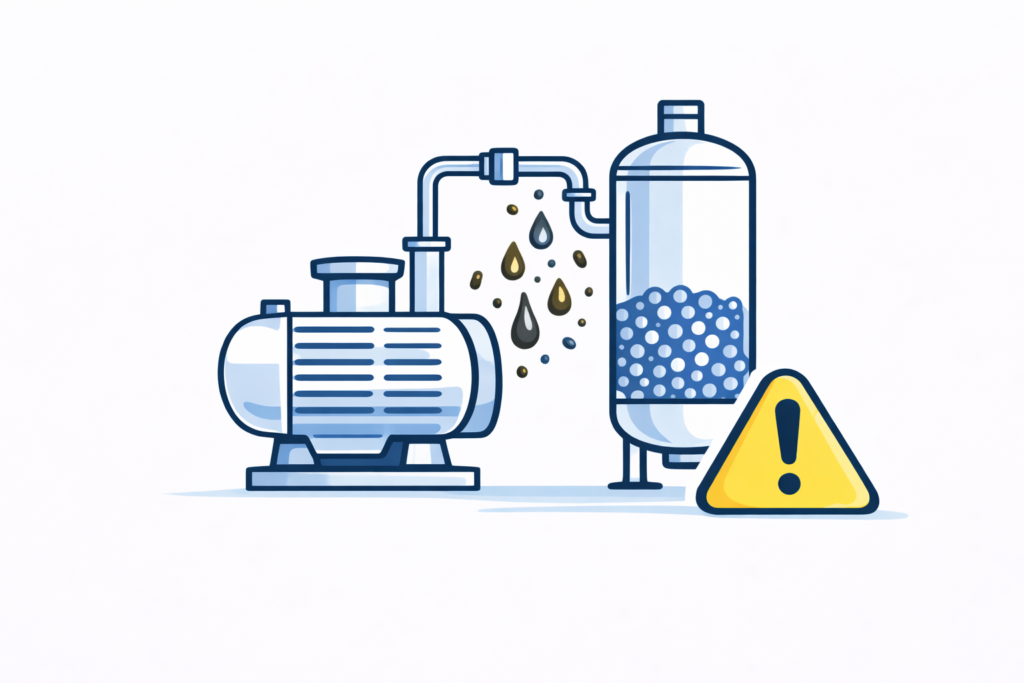
Oil carryover from compressors or filters can damage adsorption material and reduce molecular sieve efficiency.
5. Excessive Bed Pressure Drop
Blockage, dust formation, or adsorbent degradation may increase pressure drop across the molecular sieve bed.
6. Incorrect Valve Sequencing
Improper switching of adsorption and regeneration valves can disturb adsorption cycles and cause molecular sieve failure in nitrogen plant systems.
Diagnostic Approach Used by Plant Engineers
When molecular sieve failure in nitrogen plant purification units is suspected, plant engineers typically follow a structured diagnostic approach to determine the underlying cause.
Instead of immediately adjusting process parameters, engineers analyze purification system performance and verify operating conditions of the adsorption units.
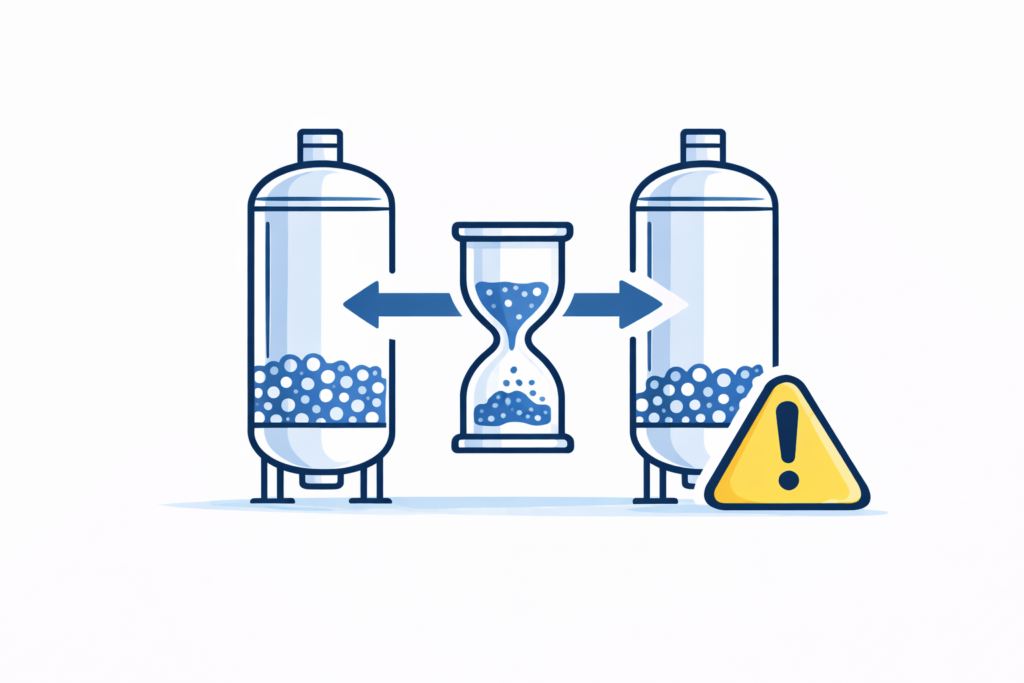
Adsorption Cycle Verification
Engineers confirm that adsorption and regeneration cycle timing is correct.
Regeneration Temperature Check
Regeneration heater performance and outlet temperature are verified to ensure proper contaminant removal.
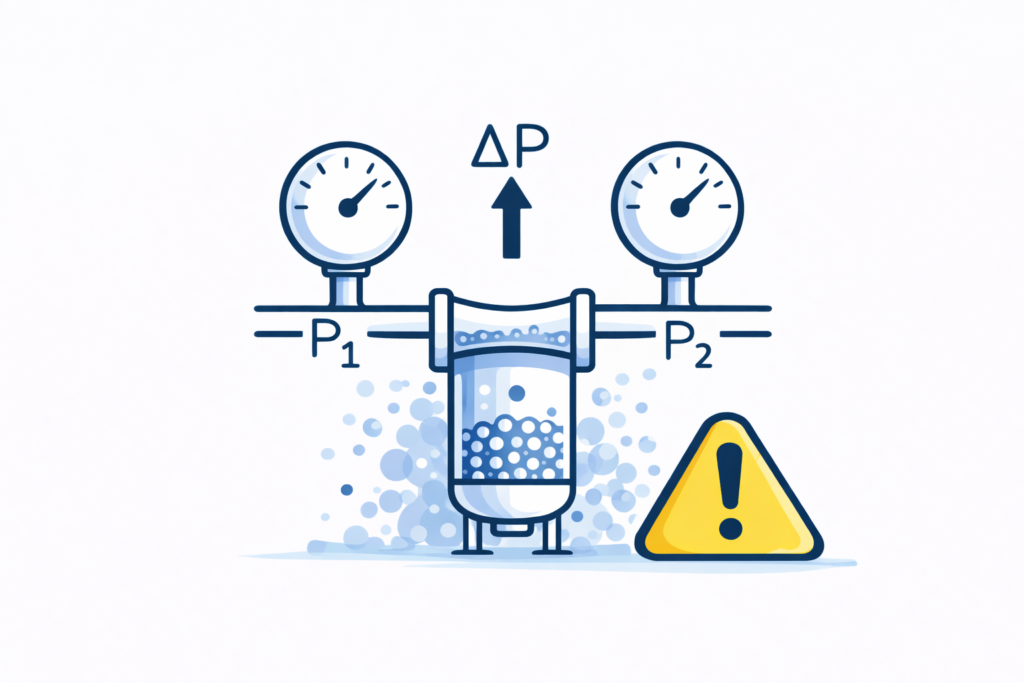
Bed Pressure Drop Monitoring
Pressure drop across adsorption beds is analyzed to detect blockage or adsorbent degradation.
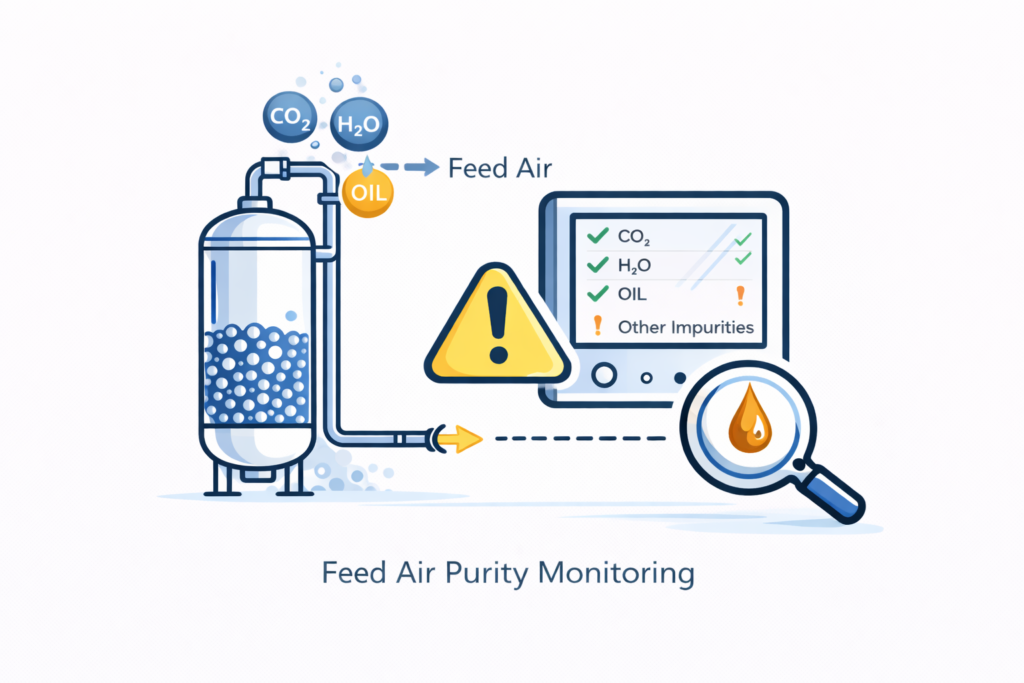
Feed Air Purity Monitoring
Moisture and CO₂ analyzers are checked to confirm purification system performance.
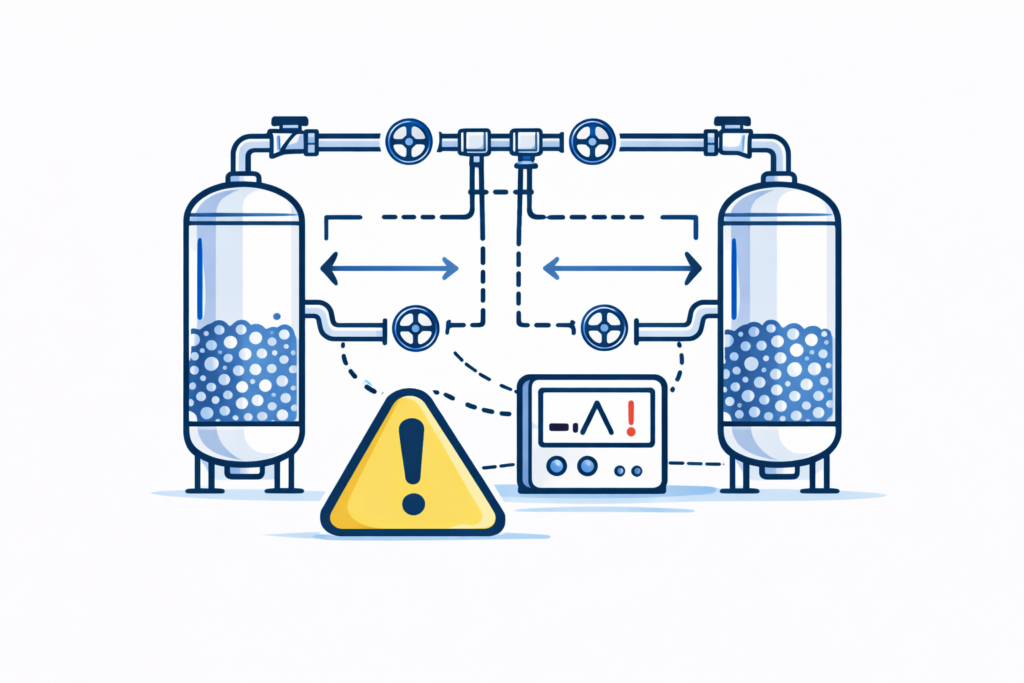
Valve Operation Inspection
Automatic switching valves are inspected to ensure proper cycle sequencing.
Cold Box Condition Review
Engineers verify whether contaminants have entered the cold box and affected process stability.
By analyzing these parameters together, engineers can determine whether molecular sieve failure in nitrogen plant systems is caused by adsorption material degradation, regeneration problems, or equipment malfunction.
Key Engineering Insight
In many cryogenic nitrogen plants, molecular sieve failure in nitrogen plant purification systems does not occur suddenly. Instead, adsorption performance gradually declines due to improper regeneration conditions or adsorbent degradation.
Careful monitoring of adsorption cycle performance, regeneration temperatures, and bed pressure drop often allows engineers to detect purification problems early and prevent cold box contamination.
Engineering Solutions to Prevent Molecular Sieve Failure in Nitrogen Plant
Once the root cause has been identified, plant engineers can take corrective actions to restore reliable air purification performance.
Maintain Proper Regeneration Temperature
Ensure regeneration heaters provide sufficient temperature to fully remove moisture and CO₂ from the adsorption beds.
Optimize Adsorption Cycle Timing
Cycle timing must allow sufficient adsorption capacity and complete regeneration.
Replace Degraded Adsorbent Material
If adsorption performance continues to decline, molecular sieve material may require replacement.
Maintain Effective Air Filtration
Proper filtration prevents oil and particulate contamination from damaging adsorption beds.
Monitor Bed Pressure Drop
Pressure drop trends help detect early signs of adsorbent degradation or blockage.
Ensure Proper Valve Sequencing
Reliable switching of adsorption and regeneration valves is essential for maintaining stable purification cycles.
Practical Engineering Insight
In many cryogenic nitrogen plants, the reliability of the entire cold box operation depends heavily on the performance of the air purification system.
Maintaining stable adsorption cycles, proper regeneration conditions, and clean feed air significantly reduces the risk of molecular sieve failure in nitrogen plant purification systems.
Gradual monitoring and preventive maintenance of molecular sieve units usually provide more reliable results than reactive troubleshooting after contamination occurs.
Troubleshooting Guide for Molecular Sieve Failure in Nitrogen Plant
When purification performance begins to decline, plant engineers can follow a structured troubleshooting sequence.

Step 1 — Verify Moisture and CO₂ Analyzer Readings
Confirm that analyzers are functioning correctly and providing accurate measurements.
Step 2 — Check Adsorption Cycle Timing
Verify switching intervals between adsorption and regeneration modes.

Step 3 — Review Regeneration Temperature
Ensure regeneration heaters are providing sufficient temperature.

Step 4 — Inspect Bed Pressure Drop
Check for abnormal pressure drop indicating blockage or adsorbent degradation.
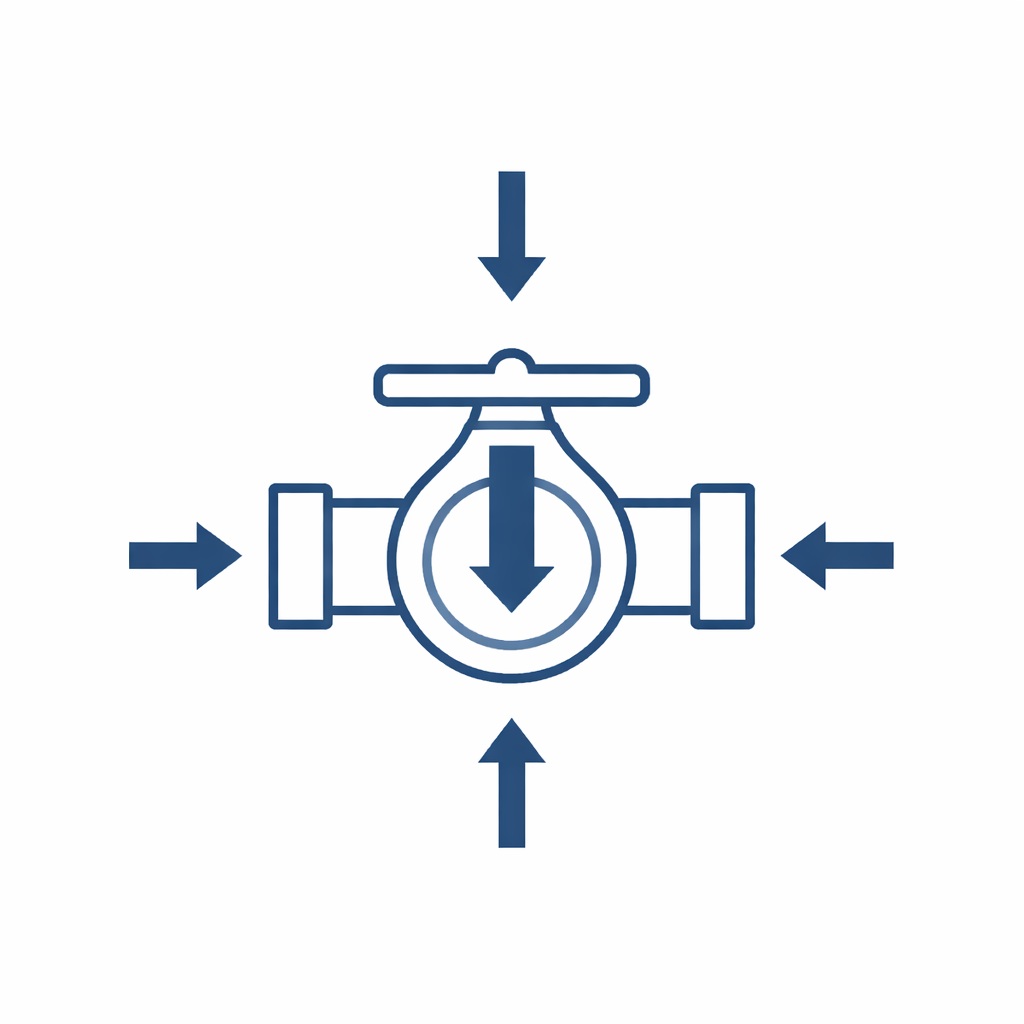
Step 5 — Check Valve Operation
Confirm that switching valves are operating correctly and sequencing properly.
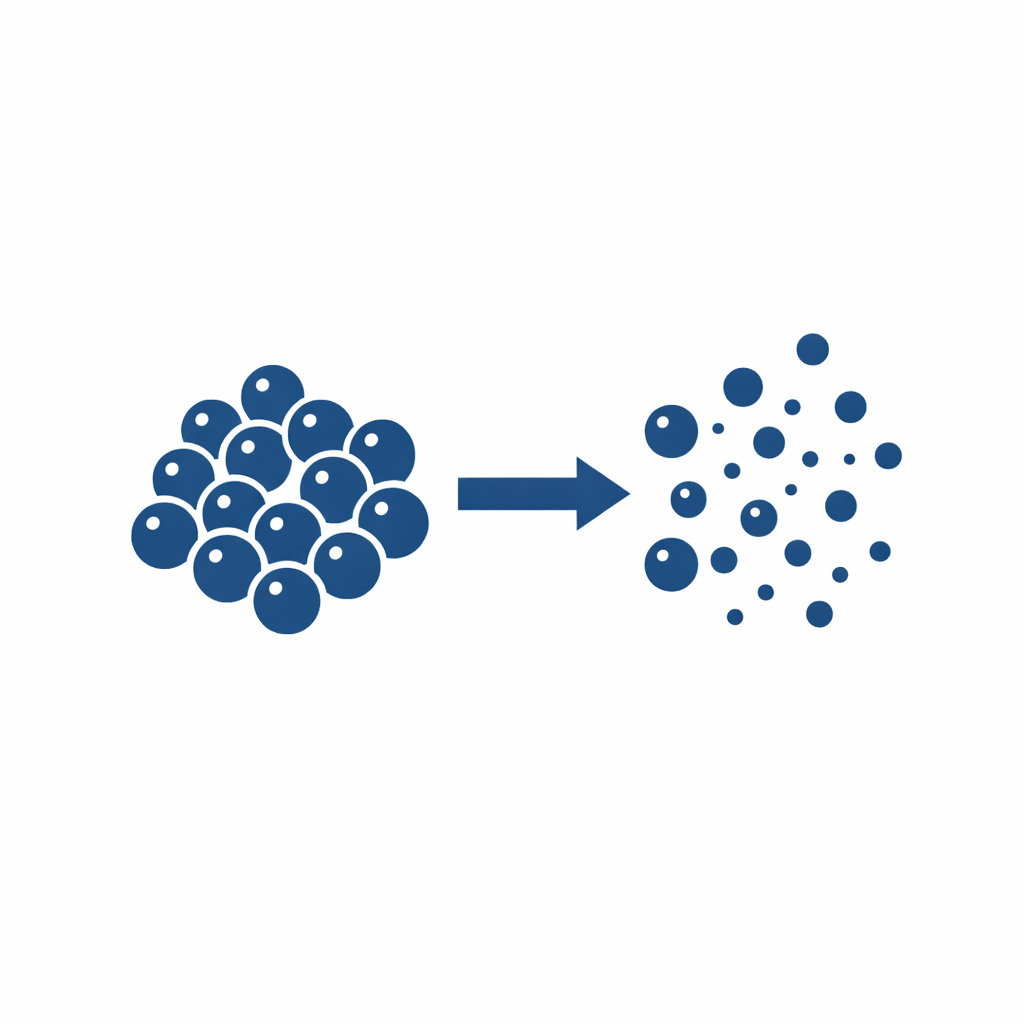
Step 6 — Inspect Adsorbent Condition
If contamination continues, physical inspection of the molecular sieve bed may be required.
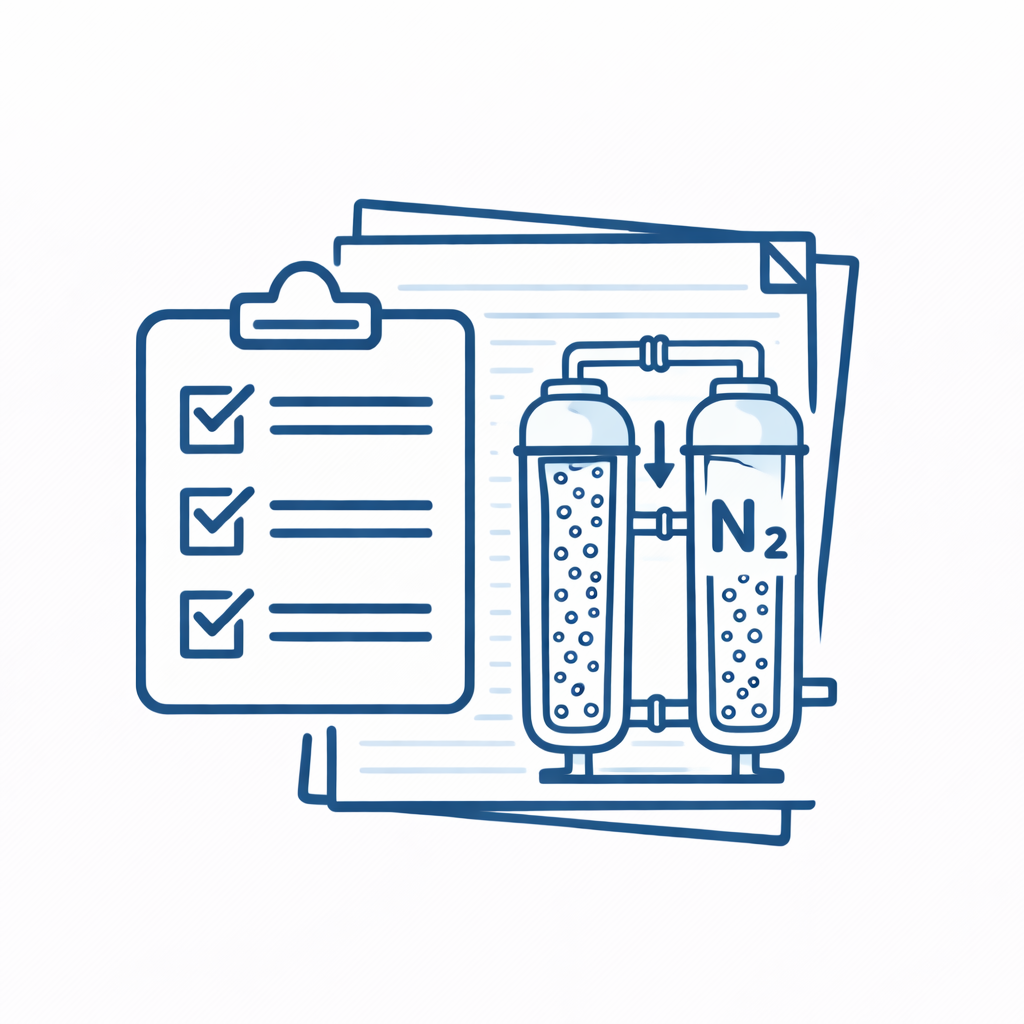
Using a structured Moisture & CO₂ Diagnostic Sheet helps engineers log these checks systematically during operation.
When to Involve Engineering Specialists
Specialist support should be considered when breakthrough continues after maintenance, cold box freezing recurs, adsorber performance deteriorates rapidly, or mechanical damage is suspected.
Cryogenic nitrogen plant consulting services are available at:
Related Engineering Guides
To understand how proper pretreatment setup and commissioning prevent sieve failure, refer to:
Step-by-Step Guide to Commissioning a Cryogenic Nitrogen Plant.
Related Engineering Insights
Molecular sieve failure is closely connected with the following plant issues:
Cryogenic Heat Exchanger Icing in Nitrogen Plants
Cold Box Freezing in Nitrogen Plants: Causes, Early Warning Signs & Recovery
Why Nitrogen Plant Purity Fluctuates
Conclusion and Key Takeaways
Molecular sieve failure in nitrogen plant purification systems can significantly affect cryogenic nitrogen plant performance. When adsorption units fail to remove moisture and carbon dioxide effectively, contaminants may enter the cold box and disturb heat exchangers and distillation columns.
Plant engineers can typically diagnose purification system issues by reviewing adsorption cycle conditions, regeneration temperatures, analyzer readings, and bed pressure drop trends.
Maintaining stable regeneration conditions, proper cycle timing, and reliable filtration systems is essential for preventing molecular sieve failure in nitrogen plant air purification systems and ensuring long-term stable plant operation.
Understanding the connection between molecular sieve performance and column stability helps engineers resolve issues described in the nitrogen plant purity fluctuation troubleshooting guide.
Key Takeaways for Plant Engineers
• Molecular sieve systems remove moisture and CO₂ before air enters the cold box
• Molecular sieve failure in nitrogen plant systems can lead to cold box contamination
• Adsorption cycle timing and regeneration temperature are critical for reliable purification
• Pressure drop monitoring helps detect adsorbent degradation
• Preventive maintenance significantly reduces purification system failures
Prevent Contamination and Protect Your Plant
Molecular sieve failure is not an isolated issue — it triggers a chain of failures across the entire plant.
The Cryogenic Nitrogen Plant Troubleshooting Toolkit helps you:
Identify pretreatment system failures
Detect contamination early
Prevent icing and freezing
Maintain stable and efficient operation
Apply a structured engineering approach instead of reactive troubleshooting.