Cryogenic Nitrogen Plant Startup and Commissioning – Practical Engineering Guide
A Structured Approach for Startup and Commissioning Engineers
Cryogenic nitrogen plant startup and commissioning is one of the most critical phases in the lifecycle of a cryogenic air separation plant. During this stage, the plant transitions from mechanical completion to stable nitrogen production.
Successful commissioning requires careful verification of equipment performance, instrumentation accuracy, and process stability before full operation begins.
This practical guide explains the key phases of Cryogenic nitrogen plant startup and commissioning, including pre-commissioning preparation, startup procedures, plant stabilization, and troubleshooting during the early stages of operation.
Understanding Cryogenic Nitrogen Plant Startup and Commissioning
Cryogenic nitrogen plant startup and commissioning ensures that all plant systems operate safely and according to design specifications before routine operation begins.
The commissioning process verifies that the plant can achieve:
stable nitrogen purity
reliable equipment operation
safe cryogenic conditions
designed production capacity
Commissioning engineers must evaluate multiple plant systems simultaneously, including compressors, air purification units, cryogenic heat exchangers, and distillation columns.
A well-executed Cryogenic nitrogen plant startup and commissioning program helps prevent operational problems that might otherwise appear during long-term plant operation.
Key Phases of Cryogenic Nitrogen Plant Startup and Commissioning
Commissioning cryogenic nitrogen plants typically follows several structured phases that gradually bring the plant into stable operation.

Pre-Commissioning Activities
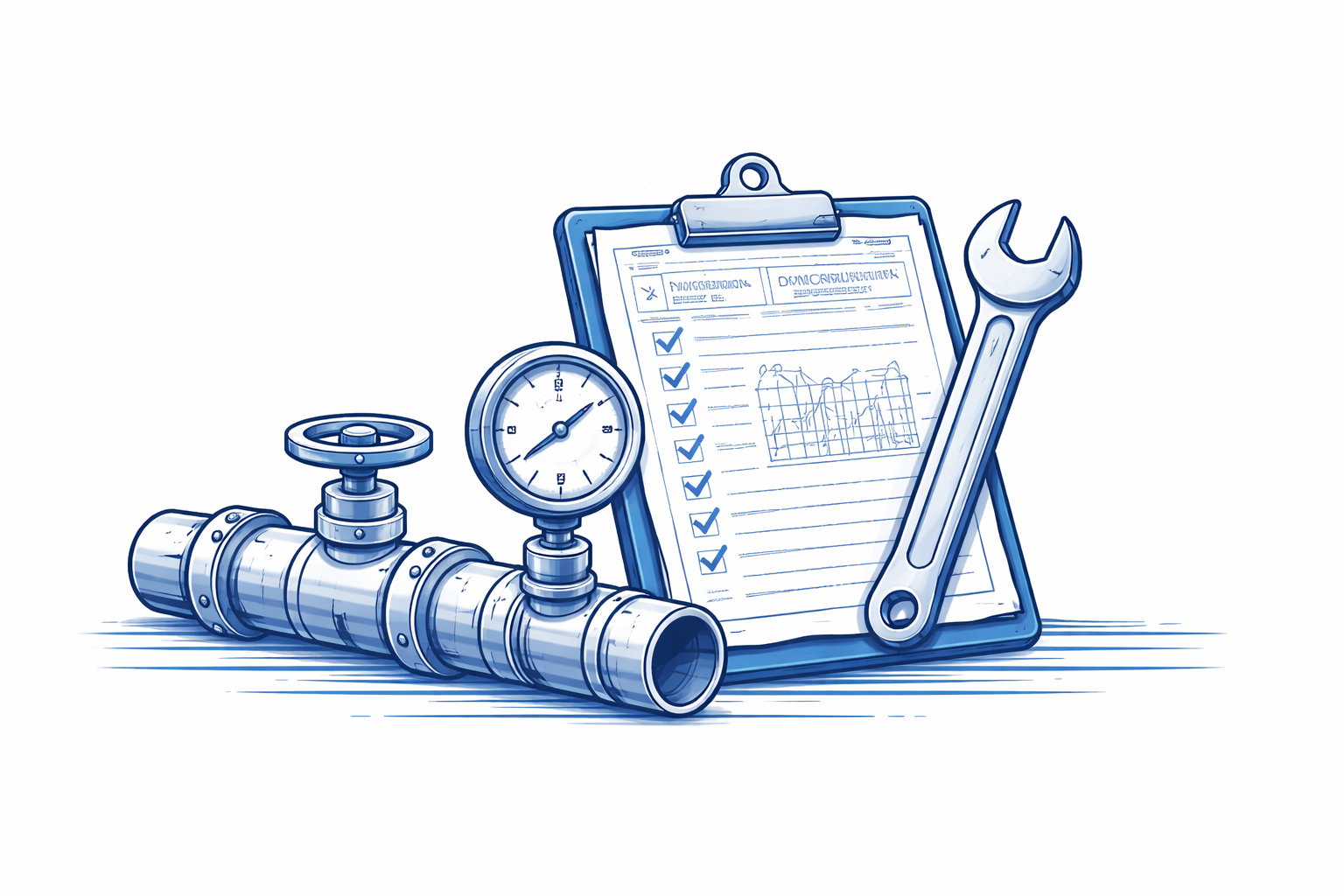
Pre-commissioning verifies that all equipment and systems are ready for startup. Typical activities include: mechanical completion inspection piping pressure testing leak detection and rectification flushing and cleaning of process lines instrument loop checks control system verification These steps ensure that the plant is prepared for safe cryogenic nitrogen plant commissioning.
Dry Commissioning
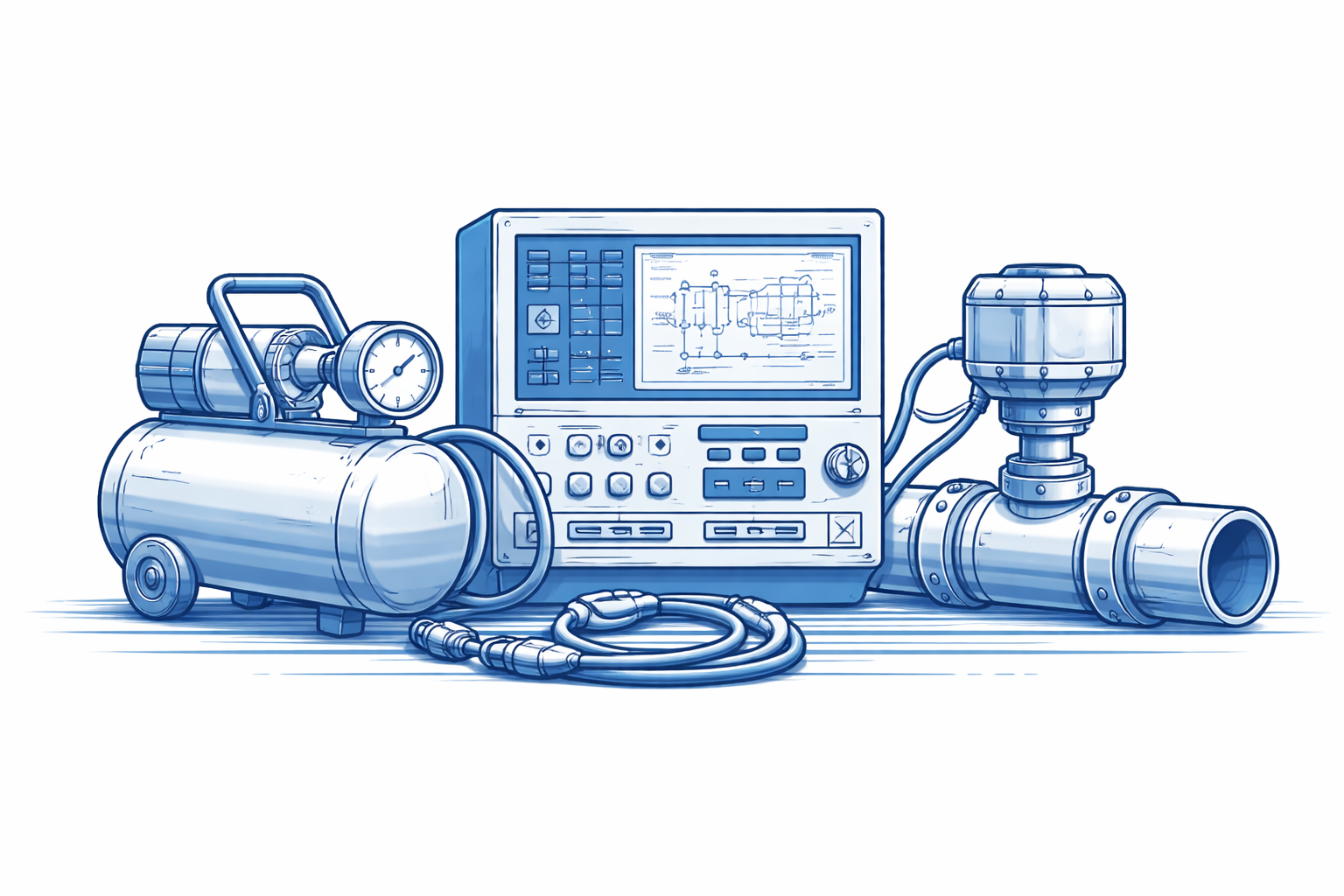
Dry commissioning tests plant systems without introducing process air into the cryogenic section. Typical checks include: compressor test runs control system functionality valve stroke testing alarm and interlock verification communication checks between instruments and control systems This stage confirms that plant automation and safety systems are fully operational.
Initial Plant Startup
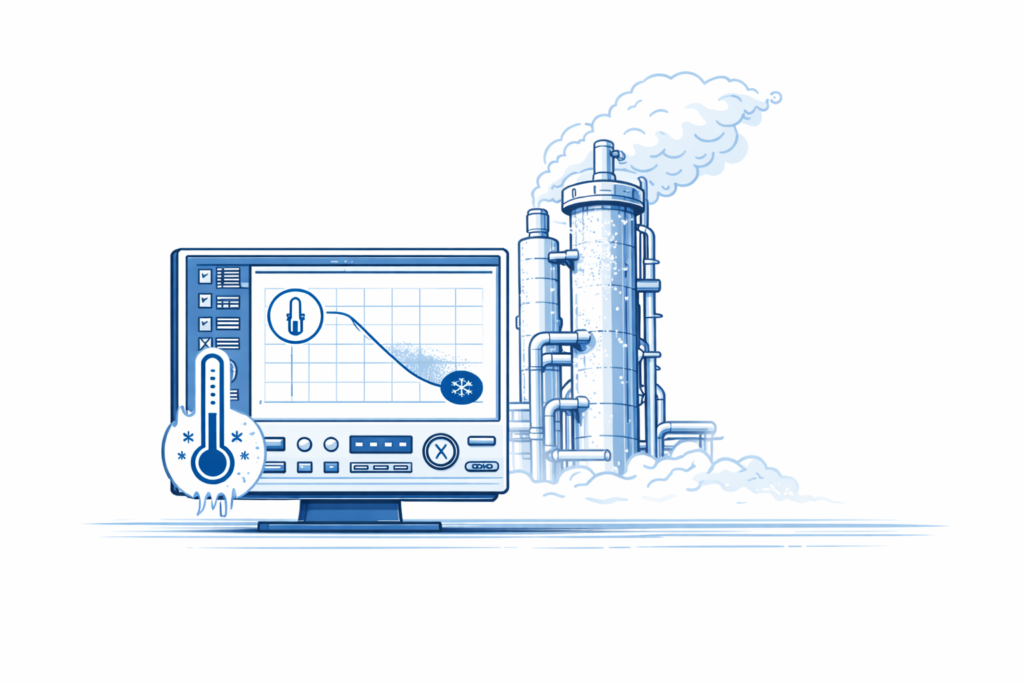
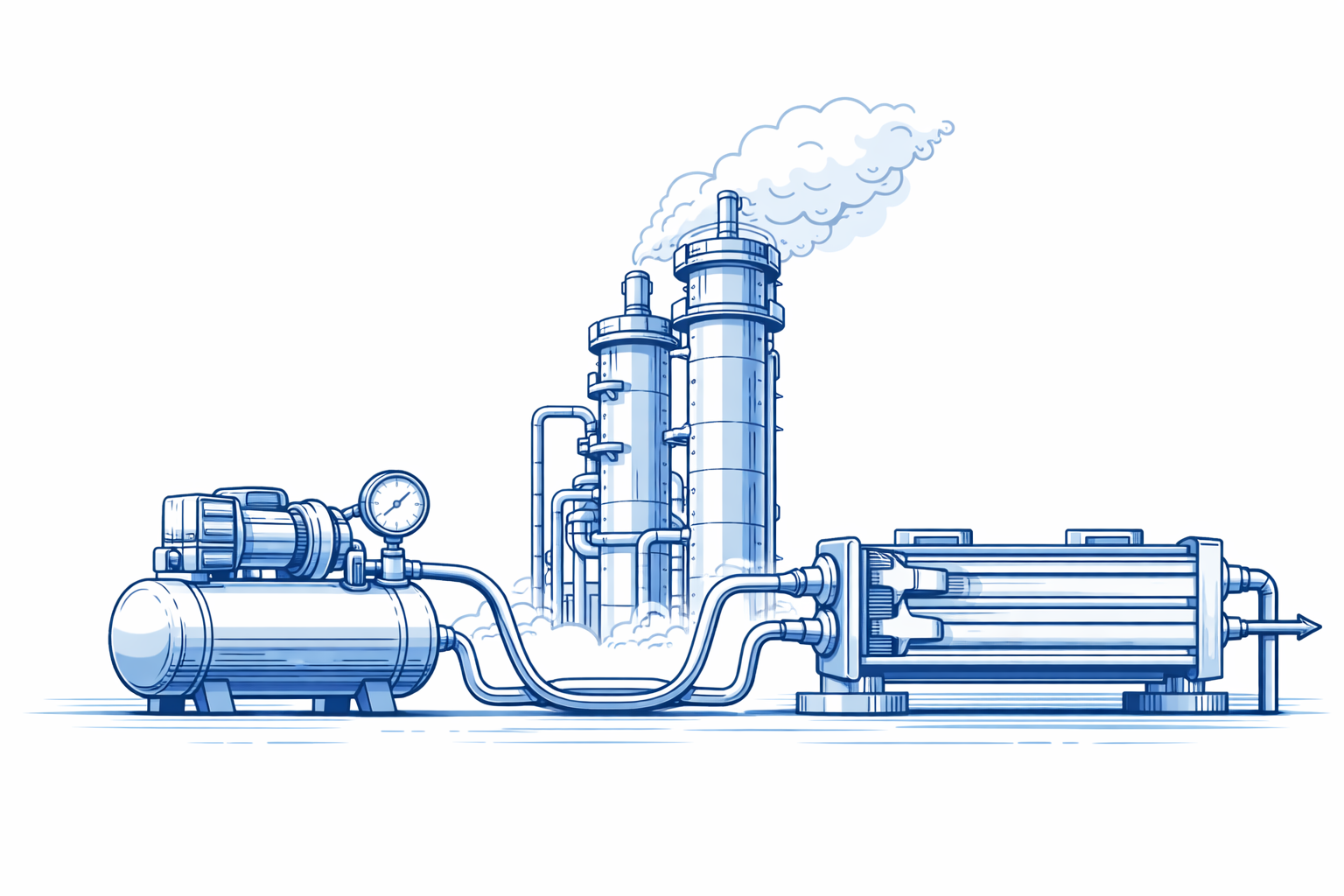
During startup, feed air is gradually introduced into the system and the cryogenic section begins cooling down. Key activities during cryogenic nitrogen plant commissioning startup include: starting the air compression system stabilizing feed air pressure initiating molecular sieve purification cycles beginning controlled cooldown of the heat exchanger Cooldown must occur gradually to avoid thermal stress within cryogenic equipment.
Plant Stabilization
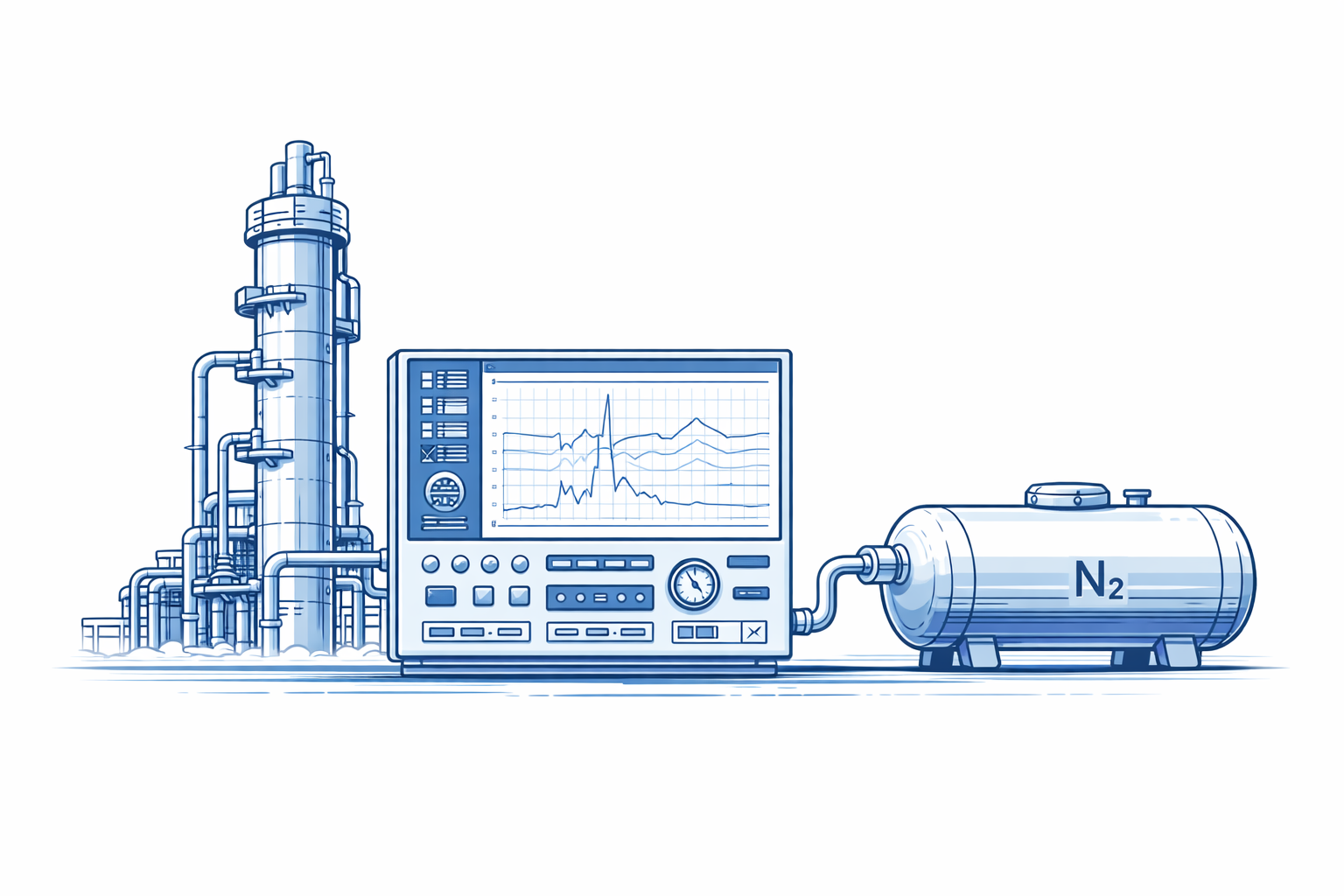
Once the cryogenic system reaches operating temperatures, the distillation column begins separating nitrogen from oxygen. During stabilization, engineers monitor: column pressure stability reflux balance nitrogen purity trends temperature profiles across the plant Achieving stable operation is a critical milestone in cryogenic nitrogen plant commissioning.
Performance Verification
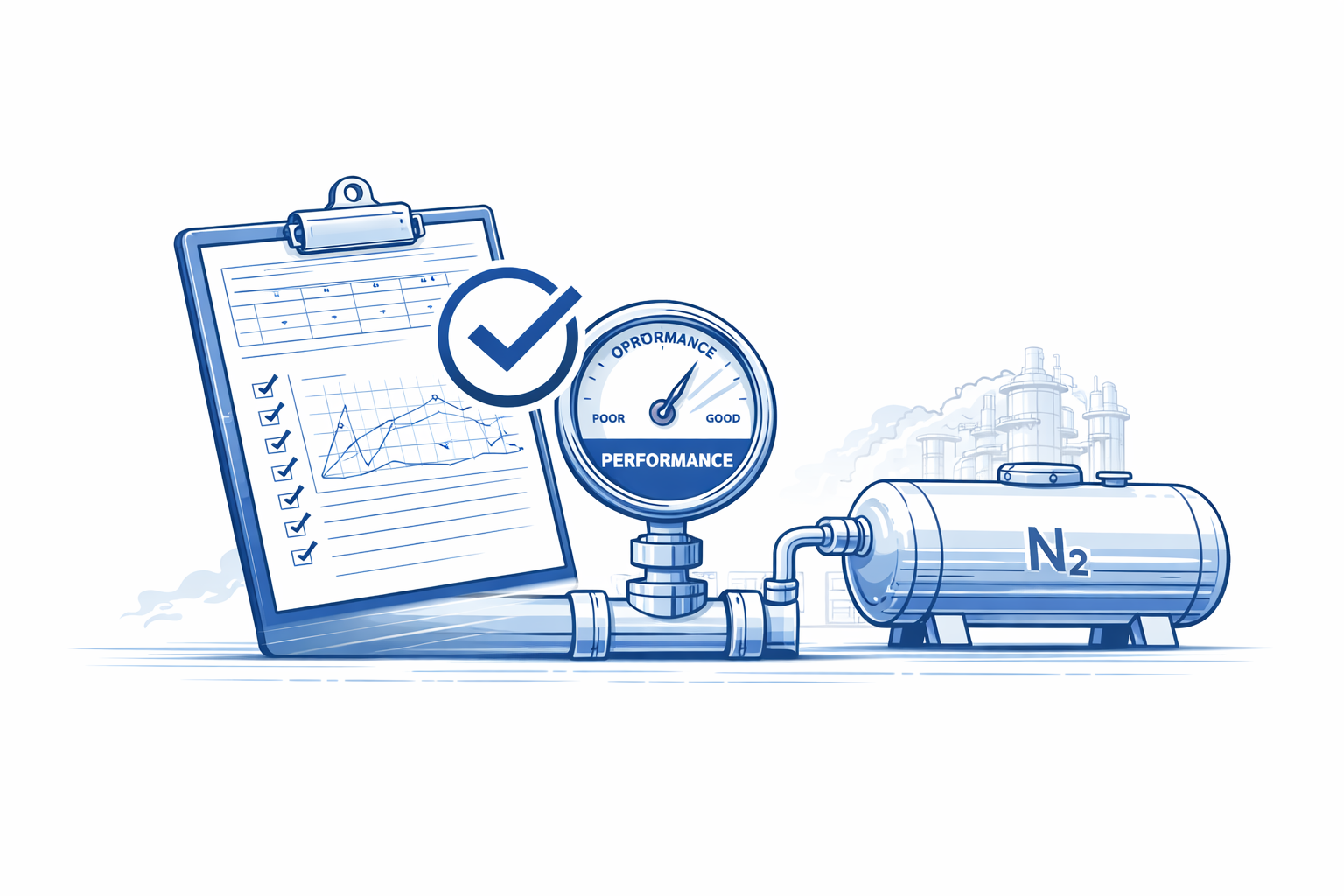
After stabilization, performance testing confirms that the plant meets its design parameters. Typical tests evaluate: nitrogen purity levels production capacity compressor performance refrigeration balance plant energy consumption Successful testing confirms completion of the cryogenic nitrogen plant commissioning process.
Common Challenges During Cryogenic Nitrogen Plant Startup and Commissioning
Commissioning teams often encounter operational disturbances while bringing the plant into stable operation.
Nitrogen Purity Fluctuations
Unstable nitrogen purity is one of the most common operational issues in cryogenic nitrogen plants.
Possible causes include:
distillation column imbalance
improper reflux conditions
feed air pressure fluctuations
analyzer calibration drift
control loop instability
feed air flow
Persistent purity fluctuations often indicate problems within the distillation column operation or process control system.
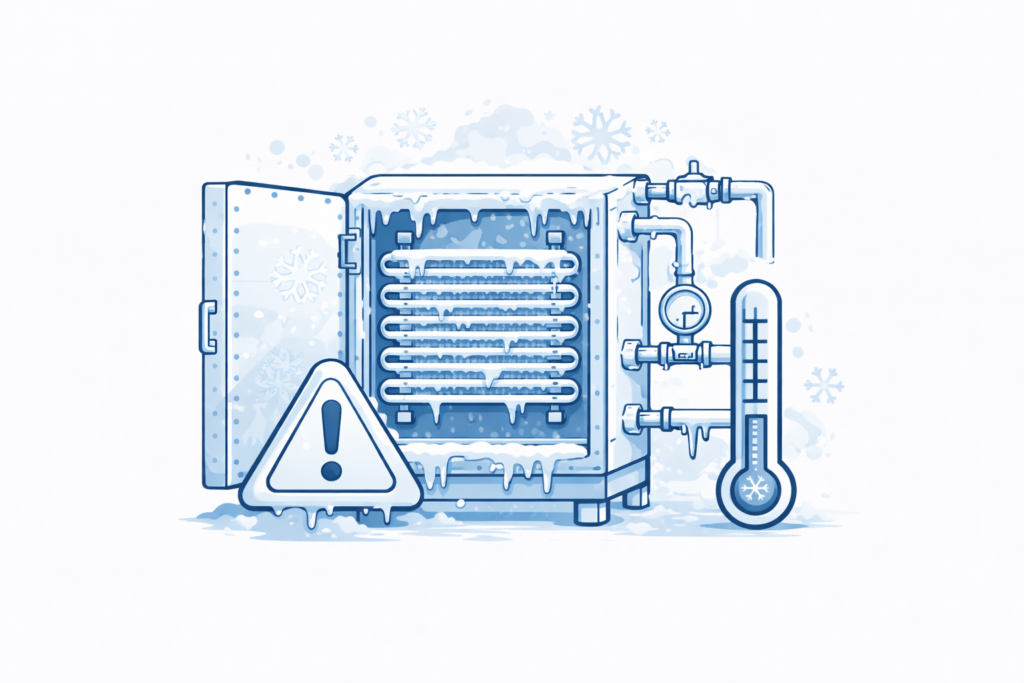
Cold Box Freezing
Cold box freezing occurs when contaminants such as moisture or carbon dioxide enter the cryogenic section of the plant.
These contaminants can freeze inside the heat exchanger and restrict process flow.
Typical symptoms include:
increasing pressure drop
abnormal temperature profiles
gradual reduction in plant capacity
Cold box freezing usually originates from air purification system failure.
Startup Instability
Many cryogenic nitrogen plants experience instability during plant startup or restart conditions.
Startup instability may occur due to:
improper cooldown procedures
unstable compressor operation
incorrect column pressure control
insufficient reflux conditions
incorrect control loop tuning
unstable feed conditions
column imbalance
Careful monitoring and gradual stabilization are required during the startup phase.
Process Instability and Operational Fluctuation
Process instability may appear as oscillations in pressure, temperature, and flow within the plant.
Possible causes include:
unstable control loops
feed air fluctuations
column pressure imbalance
refrigeration system disturbances
These oscillations can propagate through the plant and affect nitrogen purity.
Frequent Plant Trips
Unexpected plant shutdowns are another common operational challenge.
Typical trip causes include:
analyzer alarms
compressor protection trips
instrumentation faults
control system instability
Frequent trips often indicate deeper process instability that must be addressed through systematic cryogenic nitrogen plant troubleshooting.
Increased Energy Consumption
Gradual increases in compressor power consumption often indicate declining plant efficiency.
Possible causes include:
heat exchanger fouling
pressure imbalance within the distillation column
inefficient compressor operation
process inefficiencies within the refrigeration system
Monitoring long-term energy trends can help detect performance problems early.
Major Systems Verified During Commissioning
During cryogenic nitrogen plant commissioning, engineers must verify the proper operation of several key plant systems.
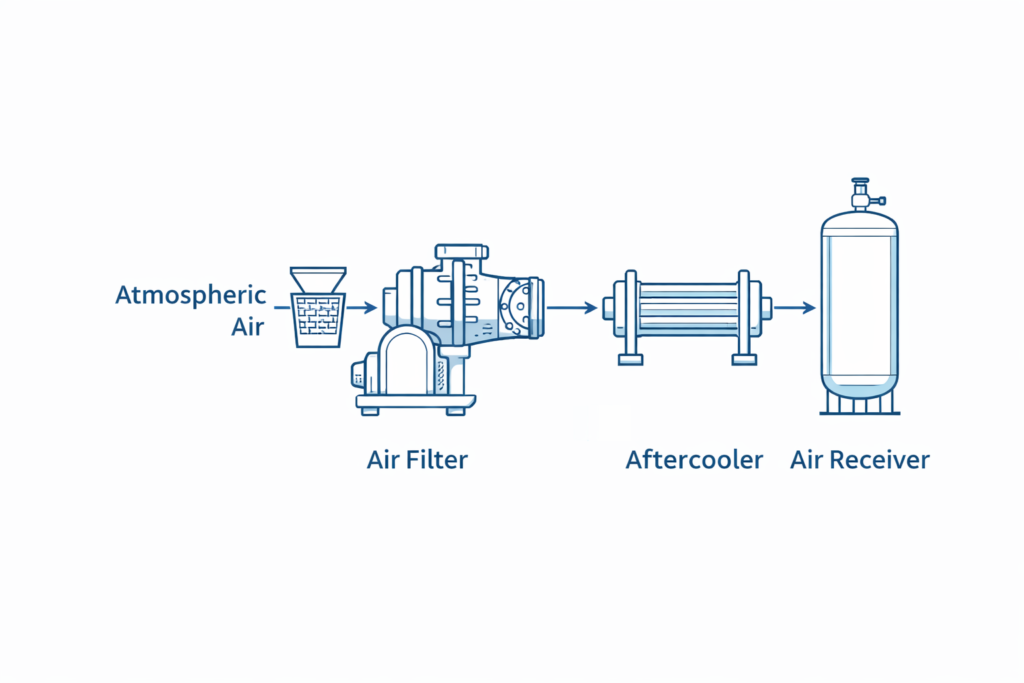
Air Compression System
The air compressor provides feed air required for nitrogen separation.
Commissioning checks include:
compressor pressure stability
aftercooler performance
vibration monitoring
compressor control system response
Stable compressor operation is essential for reliable plant startup.
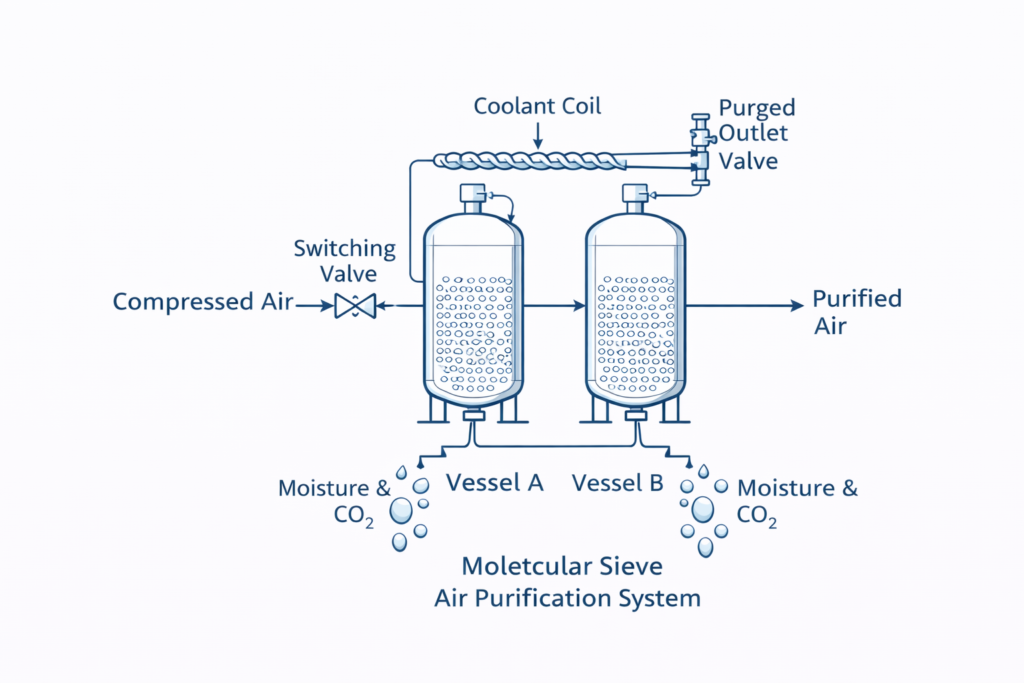
Air Purification System
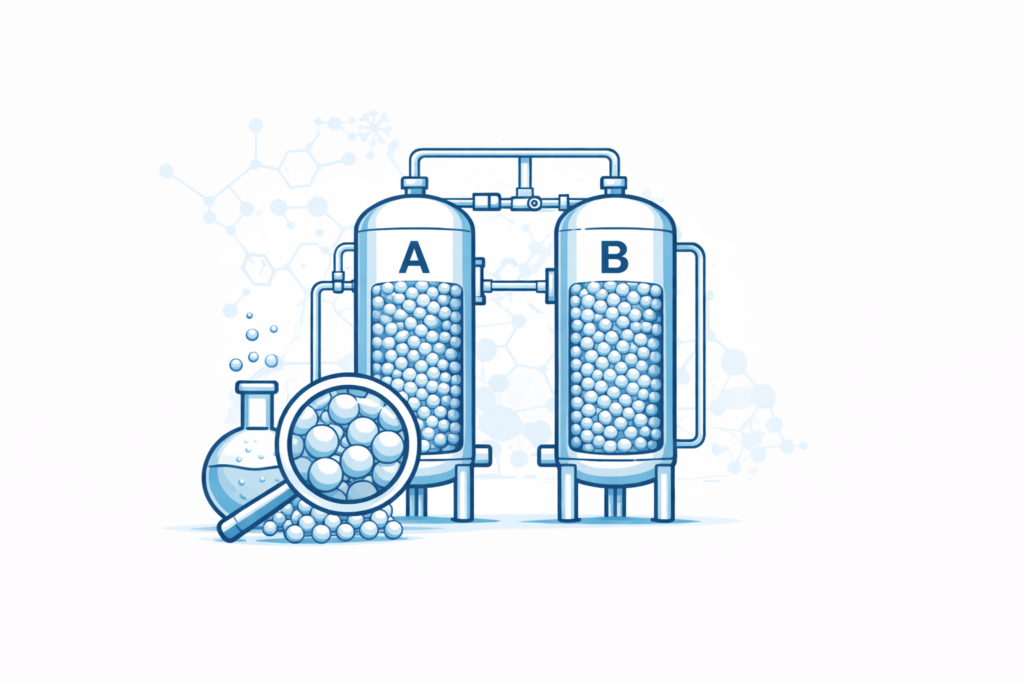
The purification system removes contaminants such as moisture and carbon dioxide before air enters the cryogenic section.
Verification includes:
switching valve operation
regeneration heater performance
adsorbent bed temperature monitoring
moisture and CO₂ removal efficiency
Proper purification prevents contamination that could cause cold box freezing during cryogenic nitrogen plant commissioning.
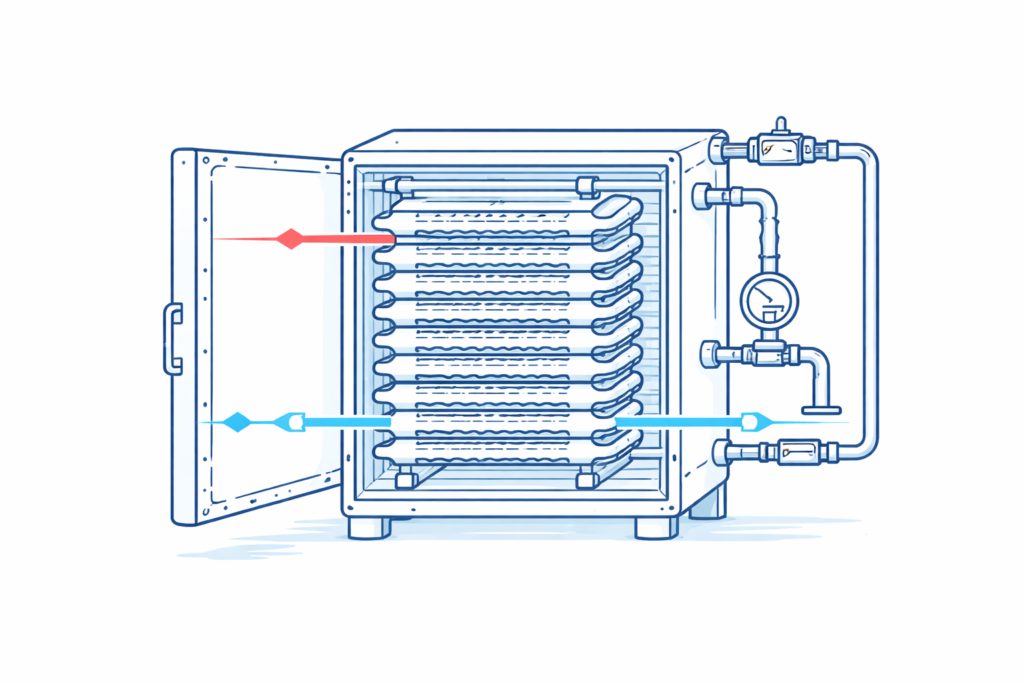
Cryogenic Heat Exchanger
The main heat exchanger gradually cools incoming air to cryogenic temperatures.
Commissioning checks include:
temperature profile monitoring
pressure drop measurement
identification of abnormal thermal gradients
Controlled cooldown protects the heat exchanger from thermal damage.
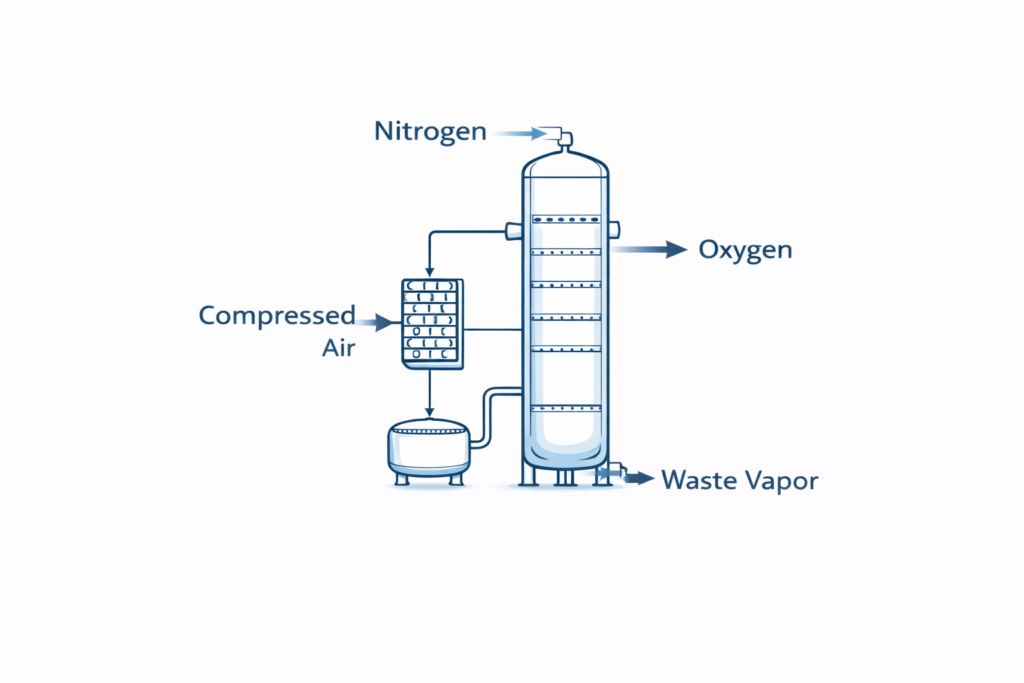
Distillation Column
The distillation column performs the separation of nitrogen and oxygen.
During Cryogenic nitrogen plant startup and commissioning, engineers monitor:
column pressure
temperature profile
reflux conditions
nitrogen purity
Column stabilization is one of the most delicate parts of plant commissioning.
Best Practices for Successful Cryogenic Nitrogen Plant Startup and Commissioning
Experienced commissioning engineers follow several key practices to achieve stable startup.
Controlled Cooldown
Cryogenic equipment must be cooled gradually to avoid thermal stress.
Rapid cooling can damage heat exchangers and piping.
Trend Monitoring
Engineers should continuously monitor process trends during commissioning.
Important parameters include:
nitrogen purity
column pressure
heat exchanger temperature profiles
compressor load
Trend monitoring helps identify instability early.
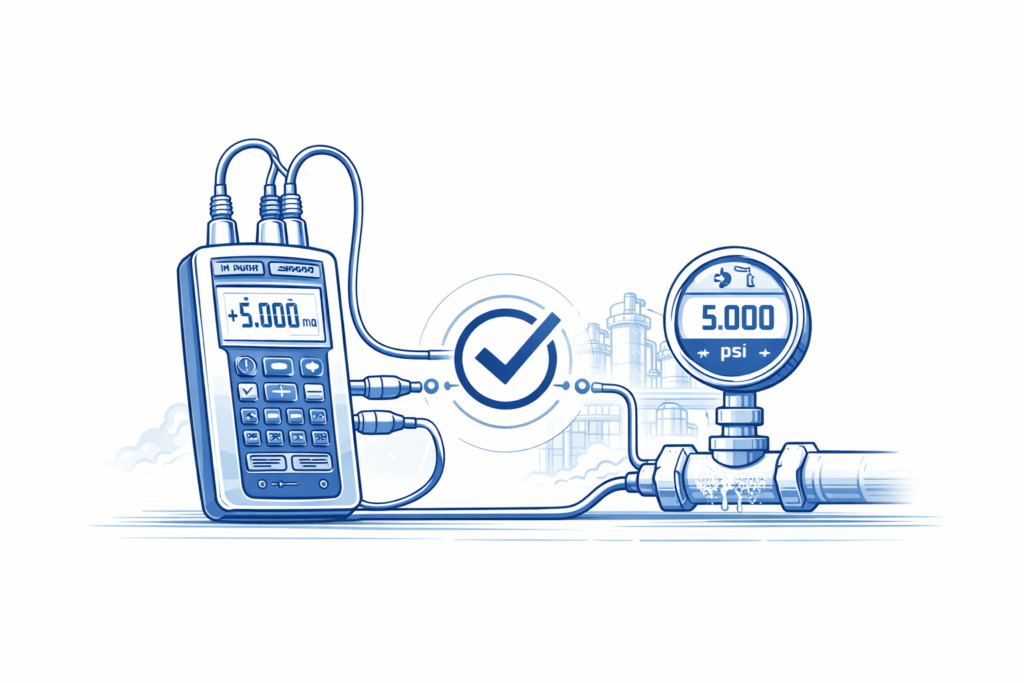
Instrument Calibration
Incorrect analyzer readings can create misleading operational signals during Cryogenic nitrogen plant startup and commissioning.
Critical instruments should be calibrated before startup.
Effective Team Coordination
Commissioning requires coordination between operations teams, instrumentation specialists, and mechanical engineers.
Effective communication helps resolve issues quickly during plant startup.
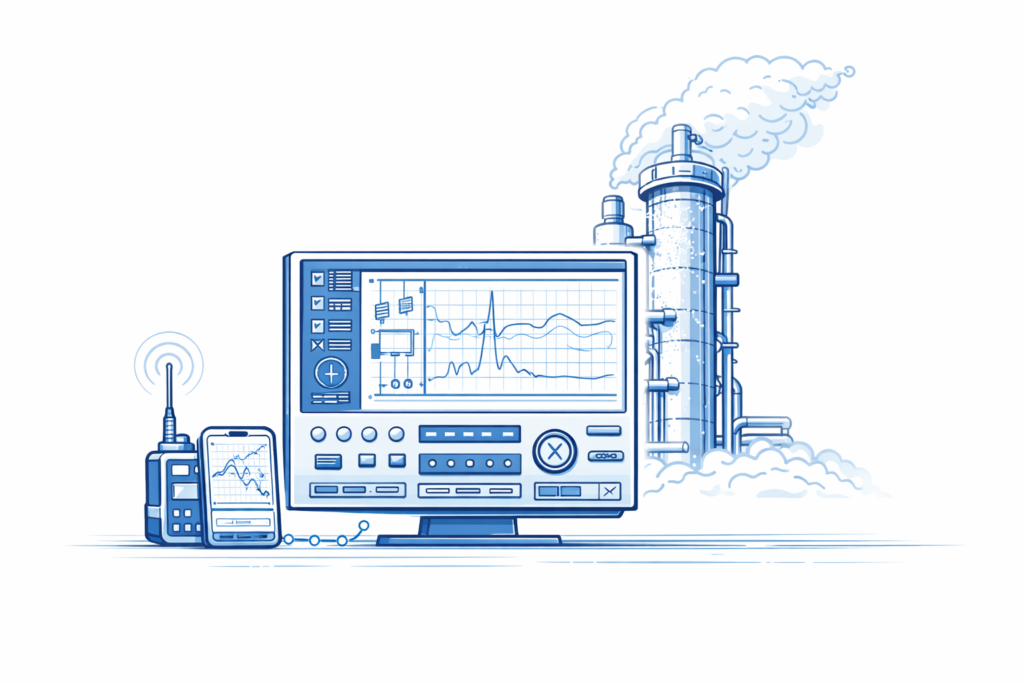
Using Process Data During Commissioning
Modern cryogenic plants generate extensive operational data through distributed control systems.
During Cryogenic nitrogen plant startup and commissioning, engineers rely heavily on trend data to detect process disturbances.
Trend analysis helps engineers identify:
control loop oscillations
gradual performance degradation
column instability
abnormal temperature gradients
Using plant data effectively allows engineers to diagnose operational problems before they escalate.
Engineering Resources for Commissioning Engineers
Commissioning cryogenic nitrogen plants requires both theoretical knowledge and practical engineering experience.
This platform provides specialized engineering resources supporting Cryogenic nitrogen plant startup and commissioning, including:
Cryogenic Nitrogen Plant Troubleshooting Guides
Practical troubleshooting references that help plant engineers identify root causes of operational problems such as purity fluctuations, cold box freezing, plant trips, and process instability.
Engineering Diagnostics Frameworks
Structured diagnostic approaches that allow engineers to systematically evaluate plant performance, isolate process disturbances, and determine the underlying causes of operational issues.
Operational Stability Improvement Methods
Engineering methods focused on improving process balance, control stability, and overall reliability to maintain consistent nitrogen purity and steady plant operation.
Process Trend Analysis Techniques
Analytical techniques for interpreting DCS process trends to detect early signs of plant instability, performance degradation, and abnormal operating conditions.
These structured engineering resources are designed to help engineers diagnose and resolve plant operational challenges more effectively.
Related Engineering Insights
For deeper understanding of issues encountered during Cryogenic nitrogen plant startup and commissioning, explore these engineering insights:
Why Nitrogen Plant Purity Fluctuates
Nitrogen purity fluctuations are often caused by distillation column imbalance, unstable reflux conditions, feed pressure variations, or analyzer drift. This article explains the engineering reasons behind purity instability and how plant engineers can diagnose and correct the underlying process disturbances.
Molecular Sieve Failure in Cryogenic Nitrogen Plants
The molecular sieve system plays a critical role in removing moisture, carbon dioxide, and hydrocarbons from the incoming air stream. This article explains the common causes of molecular sieve failures, including incomplete regeneration, switching valve problems, and adsorbent degradation, and how these issues affect cryogenic plant operation.
Cold Box Freezing in Cryogenic Nitrogen Plants
Cold box freezing occurs when contaminants enter the cryogenic section and freeze within the heat exchanger passages. This article examines the process mechanisms that lead to icing or freezing, the early warning signs engineers should monitor, and practical troubleshooting approaches to prevent major plant disruptions.
Common Causes of Cryogenic Nitrogen Plant Trips
Unexpected plant trips can result from analyzer alarms, compressor protection systems, control system instability, or instrumentation faults. This article analyzes the most common trip scenarios in nitrogen plants and explains how engineers can identify the root cause and reduce recurring shutdowns.
Diagnosing Nitrogen Plant Instability Using Trend Data
Modern cryogenic plants generate extensive process data through distributed control systems. This article explains how engineers can use trend analysis of pressure, temperature, and purity data to detect early signs of instability and identify hidden operational problems.
Why Nitrogen Plant Energy Consumption Increases
Gradual increases in compressor power consumption often indicate process inefficiencies, heat exchanger fouling, pressure imbalance, or refrigeration system losses. This article explains the engineering factors that increase energy usage and how plant operators can improve overall plant efficiency.
Cryogenic Nitrogen Plant Commissioning Toolkit
A structured commissioning toolkit designed for engineers responsible for starting up and commissioning cryogenic nitrogen plants.
The toolkit provides practical procedures, commissioning frameworks, and checklists that help ensure safe plant startup and stable process operation during early commissioning stages, including:
• pre-commissioning system verification
• controlled plant startup procedures
• molecular sieve and air purification commissioning
• cryogenic cooldown and cold box stabilization
• distillation column startup and purity stabilization
• identification and correction of startup instability
These resources help commissioning teams systematically bring cryogenic nitrogen plants into safe, stable, and reliable operation.
These resources help plant engineers approach operational problems using a systematic engineering diagnostic method rather than trial-and-error adjustments.
The toolkit is particularly useful for:
• plant operators
• commissioning engineers
• operations managers
• troubleshooting specialists
Engineering Perspective on Cryogenic Nitrogen Plant Commissioning
Successful Cryogenic nitrogen plant startup and commissioning requires careful planning, systematic procedures, and strong coordination between engineering teams.
The commissioning phase establishes the operational foundation for the plant. Plants that are commissioned properly typically achieve stable operation more quickly and experience fewer operational disturbances later.
By applying structured commissioning procedures, monitoring process data carefully, and resolving early operational challenges, engineers can ensure safe and reliable nitrogen production.
For complex startup challenges or plant instability issues, plant operators may benefit from specialized engineering support.
Need Support with Cryogenic Nitrogen Plant Commissioning?
Startup and commissioning of cryogenic nitrogen plants can involve complex process interactions and operational challenges.
Engineering teams facing persistent startup instability, purity fluctuations, or cold box issues may benefit from specialized consulting support.