
Cryogenic Micro Books — Practical Engineering Guides for Cryogenic Nitrogen Plant Operations
Short, problem-focused engineering guides built to support commissioning, troubleshooting, stability, and safety operations in cryogenic nitrogen plants.
✔ Each cryogenic micro book targets one specific operating problem
✔ Built from real commissioning and troubleshooting experience
✔ Suitable for control room and field reference
✔ Clear diagnosis logic and recovery guidance
Reduce commissioning delays, avoid cold box incidents, and stabilize plant performance with field-tested micro guides built from real nitrogen plant operations.
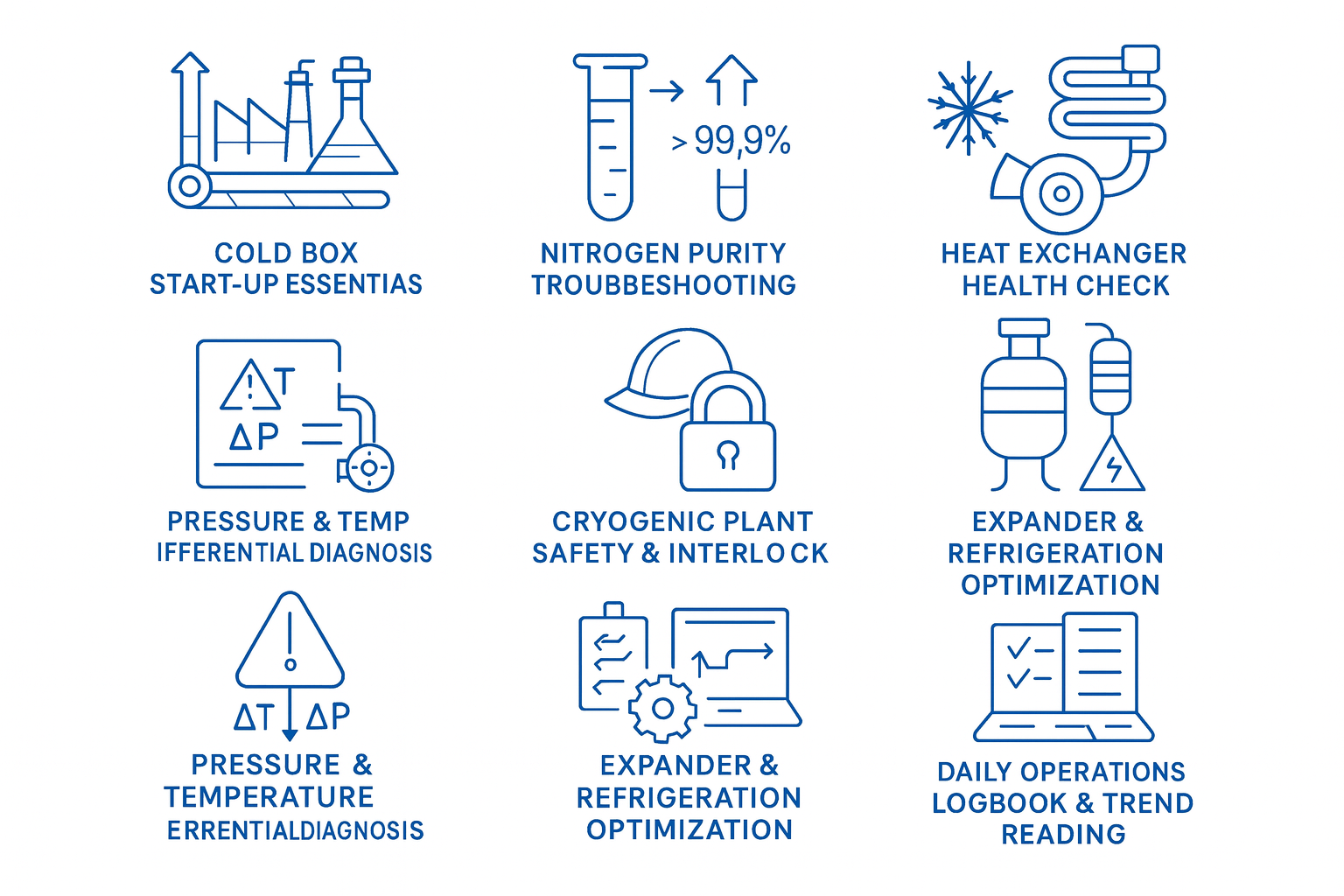
Common Nitrogen Plant Problems These Guides Address
Cryogenic Micro books are compact technical guides that address specific engineering topics such as commissioning readiness, purity stabilization, safety systems, trend interpretation, and operational diagnostics.
If you’ve faced any of these in your plant, these guides are built exactly for those moments.
Purity loss and oxygen breakthrough
Expander instability and PID hunting
Cold box temperature imbalance
Purification dryer failures (CO₂ / moisture slip)
Air ingress and leak detection
Startup sequencing mistakes
Safety interlock confusion
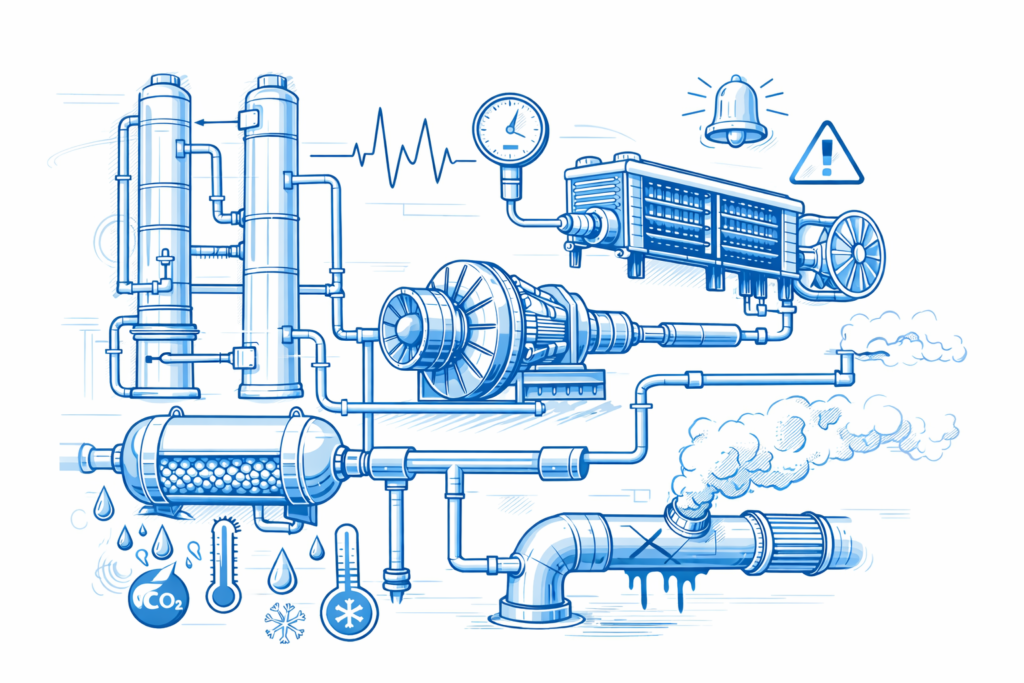
Explore the Micro-Books Collection
These cryogenic micro books are designed in a blueprint-style layout, making complex start-up procedures easier to follow in the field. Each short guide includes practical checklists, early warning indicators, and troubleshooting flow paths that help engineers make real-time decisions during cold box start-up or operational deviations.

Cold Box Start-Up
Essentials
A practical guide to cooldown sequencing, flow splits, and column stabilization.
Helps engineers avoid freeze-out, purity drift, and unstable ΔT during start-up.
Nitrogen Purity Troubleshooting
Step-by-step diagnosis for purity drift, slow recovery, and analyzer issues.
Covers column behavior, reflux imbalance, air ingress, and moisture effects.

Purification
System
A deep dive into adsorber behavior, dewpoint instability, and feed contamination.
Explains molecular sieve (MOF) degradation, breakthrough signatures, pressure-swing issues.
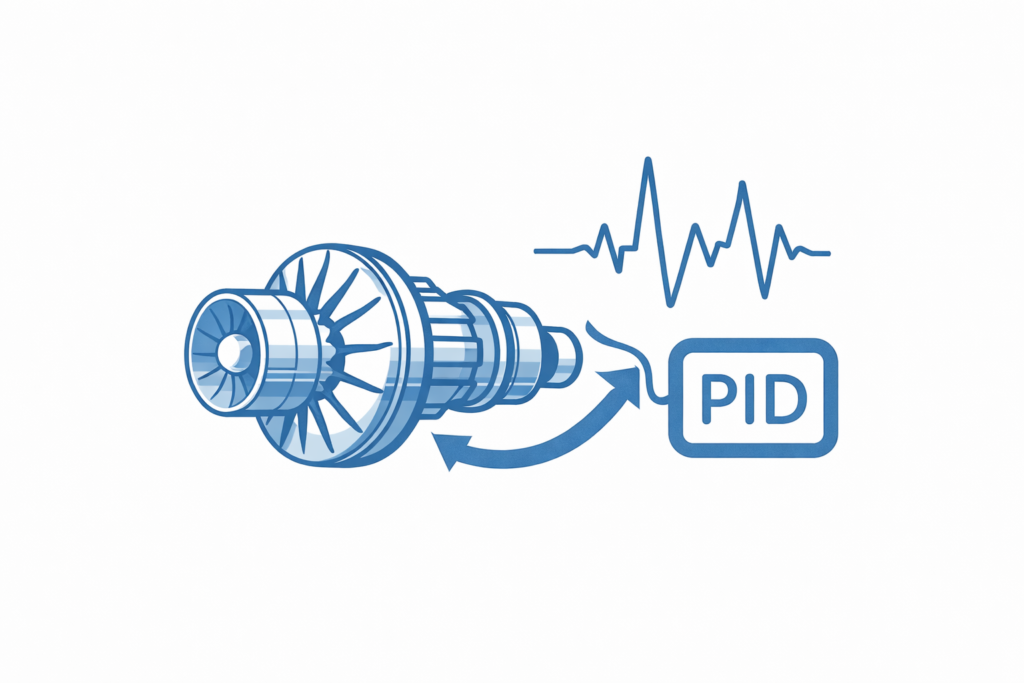
Expander Instability & PID Hunting Guide
A field guide to reading ΔP/ΔT signals and detecting flow, fouling, or icing issues.
Helps engineers interpret deviations before they become major shutdowns.
Air Ingress
Detection Guide
Shows how to identify oxygen-rich or nitrogen-rich contamination via purity trends. Explains root causes, verification methods, and fast mitigation actions.

Cryogenic Safety & Interlocks Mini-Guide
Covers critical cold box, compressor, and purification safety interlocks.
Designed to help teams prevent hazards, trips, and unsafe operating states.

Cryogenic Nitrogen Plant Commissioning
Check list
This mini-book gives engineers a field-ready, practical checklist to ensure safe and predictable commissioning.

Crogenic Nitrogen Plant Common Troubleshooting Issues
This guide helps engineers isolate faults, understand their root causes, and implement corrective actions efficiently.

Industrial Knowledge Authority — Microbook (2025)
This microbook explores how visibility — through clarity, structure, and publishing — transforms expertise into authority.
Who This Is For
“The Cryogenic Micro books library is built for field engineers, commissioning specialists, and plant leaders.”

Start-Up Engineers
Get clarity on cooldown, flow splits & column stabilization.

Commissioning Teams
Use during pre-start checks, warm-up, stabilization, handover

EPC / OEM Support
Use during pre-start checks, warm-up, stabilization, handover

Plant
managers
Diagnose purity drift, ΔP spikes, icing, and column imbalance..
Whether you are starting your first plant or managing complex upgrades, these guides support both learning and execution.
What You Get With Each Micro-Book
✔ Step-by-step procedures
✔ Field symptoms & root causes
✔ Early warning indicators
✔ Best practices from real plants
✔ Blueprint diagrams
✔ Simple valve/flow sequences
✔ Quick checklists
✔ Clear do’s & don’ts
❓ Why Not Just Use OEM Manuals?
OEM manuals explain design — not field deviations
They don’t guide live troubleshooting
They are not optimized for quick decisions
Micro-Books focus on what to check first, second, third
Micro-Books vs Engineering Toolkits — Which Do You Need?
📘 Micro-Books
Focus on one problem
Fast learning and reference
Ideal for specific issues
🧰 Engineering Toolkits
Full workflows and systems
Includes checklists, logs, diagnostics
Best for teams and repeated use
Covers entire plant phase
Designed for Real Plant Conditions —
Not Classroom Theory
All guides are developed from real commissioning, troubleshooting, and operational support experience in cryogenic nitrogen plants — not academic theory or generic ASU manuals.
✔ Field-validated logic
✔ Plant-tested scenarios
✔ Designed for real control systems
This makes the guides suitable for both on-site teams and remote engineering support.
Start With a Focused Guide — Upgrade to Full Engineering Systems When Needed
Solve today’s problem with a micro-book, or get full lifecycle support through our engineering toolkits and bundles.
About These Cryogenic Micro-Books
These micro-books are practical, field-tested PDFs designed for cryogenic nitrogen plants, air separation units, and industrial gas facilities. Each guide provides step-by-step procedures for real commissioning work, including cold box start-up, ΔT monitoring, purity troubleshooting, expander stabilization, and cryogenic safety interlocks. Engineers use these resources during pre-start checks, warm-up sequences, column stabilization, and long-term reliability assessments.
If you’re new to cryogenic plant commissioning, start with our Cold Box Start-Up Essentials guide, which explains cool-down sequencing, flow distribution, and column load management. For purity issues or slow recovery, download the Nitrogen Purity Troubleshooting micro-book — it covers analyzer stabilization, reflux adjustment, and O₂ trend analysis. Engineers dealing with exchanger icing or maldistribution can reference the Heat Exchanger Health Check guide to diagnose temperature ladder abnormalities, ΔP spikes, and moisture freeze-out.
These micro-books support best practices used across EPC projects, OEM commissioning teams, and industrial gas operators. Many concepts here are aligned with common cryogenic engineering references such as Linde Engineering training guides, Air Liquide process fundamentals, and Air Products ASU troubleshooting principles.
For more detailed procedures, explore our full engineering resources, including:
Cryogenic Plant Commissioning Toolkit → https://graphicmedium.com/cryogenic-nitrogen-plant-commissioning-toolkit/
Cold Box Commissioning Guide → https://graphicmedium.com/cryogenic-nitrogen-plant-commissioning/
Technical Consulting Blog (Cryogenic troubleshooting articles) → https://graphicmedium.com/troubleshooting
Whether you’re a start-up engineer, plant manager, or OEM support specialist, these short guides give you quick access to real-world field logic, early warning indicators, and practical checklists you can apply immediately in the plant. Bookmark this page as your industrial cryogenic micro-books library whenever you need rapid diagnostics or clarity on ASU operating condit
FAQs
Q1. What are these cryogenic micro-books?
These micro-books are short, focused PDF guides (typically 5–7 pages) for cryogenic nitrogen plants and air separation units. Each one covers a specific topic such as cold box start-up, nitrogen purity troubleshooting, ΔT/ΔP diagnosis, heat exchanger health, cryogenic safety, or air ingress detection. They’re designed for quick reading and direct use in the field.
Q2. Who are these micro-books meant for?
They are written for start-up engineers, commissioning teams, O&M engineers, EPC/OEM support, and plant managers working on cryogenic nitrogen plants, ASUs, and industrial gas facilities. Anyone responsible for start-up, troubleshooting, or day-to-day operation of a cryogenic plant can use them.
Q3. How are these micro-books different from full manuals or textbooks?
Traditional manuals are long, generic, and difficult to apply directly. These micro-books are field-ready: each one focuses on a single topic, uses simple diagrams, lists early warning indicators, and provides checklists and do’s & don’ts that can be applied immediately in the plant.
Q4. In what format are the micro-books delivered?
All micro-books are delivered as downloadable PDF files, optimized for on-screen reading and printable for field use. You can store them on your laptop, tablet, or phone, or print specific pages as quick reference sheets.
Q5. Do I need deep cryogenic experience to understand these guides?
No. The micro-books are written for practicing engineers and technicians with basic ASU knowledge. They avoid heavy theory and focus on practical field logic: ΔT/ΔP patterns, purity behaviour, start-up sequencing, and typical failure modes.
Q6. Can I use these micro-books during live commissioning or troubleshooting?
Yes. That’s the primary intent. Each guide includes step-by-step procedures, field symptoms, root causes, and quick checklists that are designed to be used during pre-start checks, warm-up, column stabilization, and troubleshooting sessions.
Ready to Download Your Engineering
Micro-Books?
Practical, field-tested guides for start-up, troubleshooting, operations, and EPC/OEM support — instant PDF downloads.
Download any of our cryogenic micro books to get step-by-step instructions for commissioning, column loading, expander stabilization, and purity recovery. Every guide is a concise field document that focuses on real ASU operating conditions, not theoretical classroom material.