
Digital Learning for Industrial Engineers: The Future of Training, Safety, and Commissioning
A Practical Guide to Modern Industrial Learning
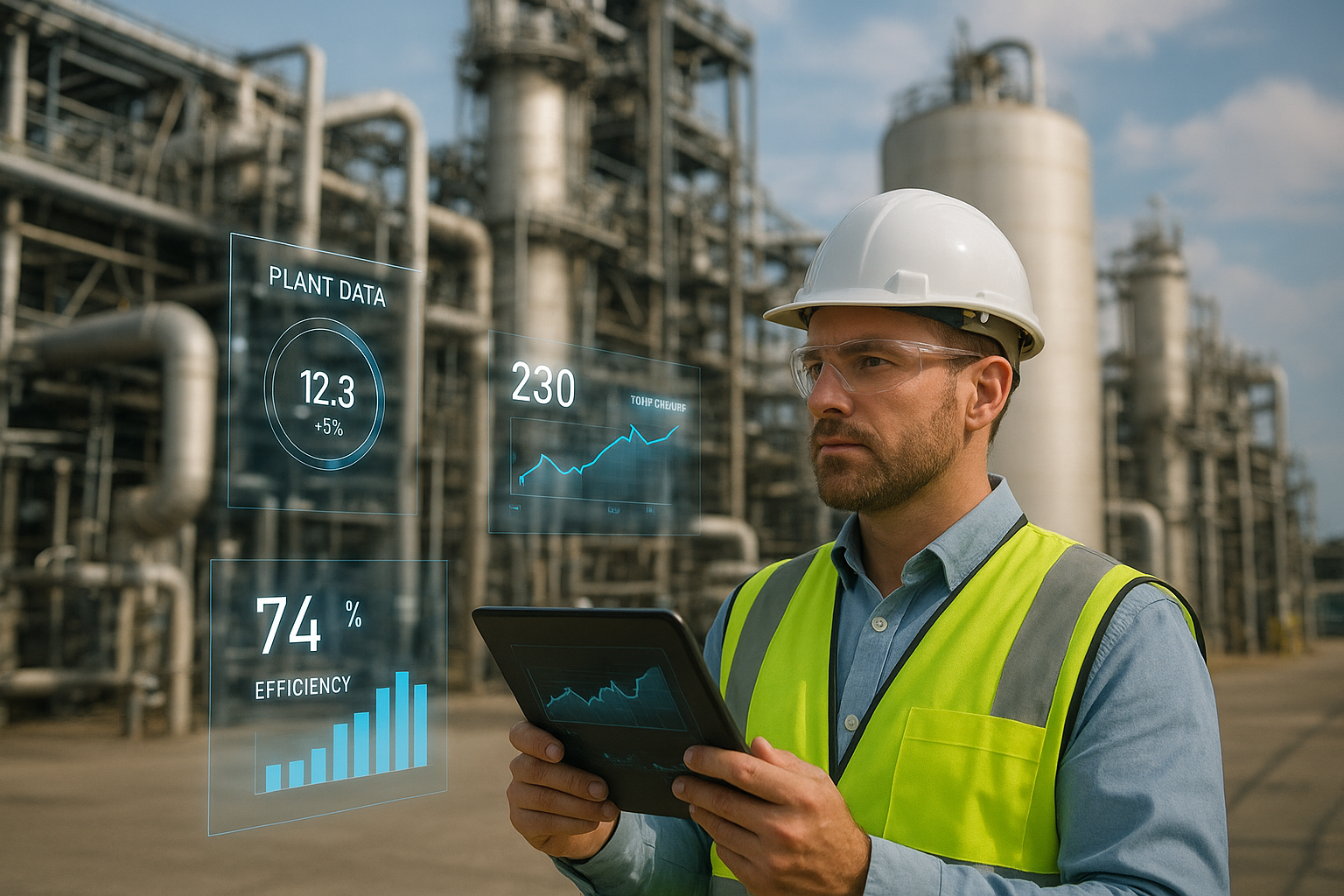
Built from real commissioning workflows and plant safety practices, this roadmap shows how digital learning tools can strengthen engineering readiness, reduce field errors, and support safer plant operations.
Introduction:
The New Era of Industrial Learning
The industrial landscape is changing faster than ever. Automation, data-driven operations, and increasingly complex plant technologies are redefining what it means to be an engineer. Traditional learning models — built around classroom theory or informal on-the-job shadowing — can no longer keep pace with the precision, safety expectations, and operational accountability required in modern industrial environments.
This is where digital learning for industrial engineers becomes essential. Effective digital learning does not replace field experience — it strengthens it. By allowing engineers to simulate processes, rehearse safety-critical steps, and understand system behavior in advance, digital learning reduces uncertainty before real-world operations begin.
The same principle already governs successful commissioning. Structured documentation, repeatable checklists, and clearly defined validation steps are what transform complex systems into stable, operable plants. Tools such as a Cryogenic Nitrogen Plant Commissioning Checklist demonstrate how field-proven engineering logic can be translated into structured, digital learning frameworks that build competence and consistency across teams.
At Graphic Medium Industrial, we convert real commissioning cycles, troubleshooting workflows, and safety practices into structured digital resources — not as abstract training material, but as extensions of how plants are actually designed, started, and stabilized. Whether the goal is mastering cryogenic nitrogen plant operations or strengthening process safety discipline, the future of industrial training lies in immersive, data-backed, and field-validated digital learning ecosystems.
1️⃣ Why Digital Learning for Industrial Engineers Is Replacing Traditional Training
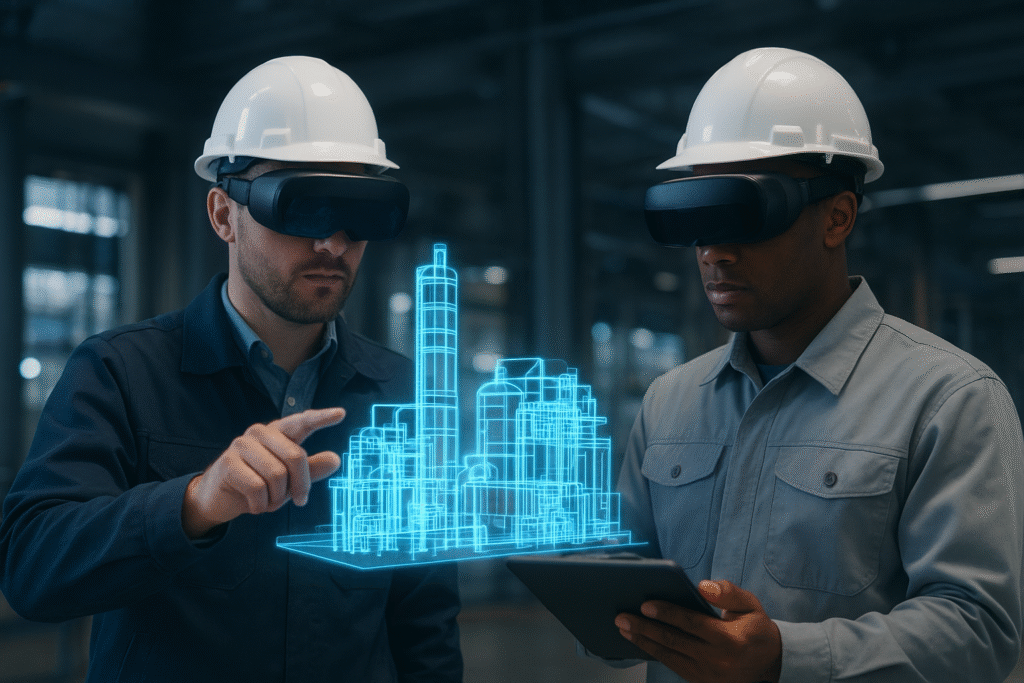
Across industries — from energy to manufacturing — employers are facing a growing skills gap. Experienced engineers are retiring, while newer professionals often lack the field exposure required to manage complex plant systems.
Digital learning for industrial engineers offers a scalable solution. Through online modules, 3D simulations, and guided video-based scenarios, engineers can:
Understand systems before ever touching a valve.
Rehearse safety-critical steps virtually.
Learn troubleshooting logic through scenario-based practice.
This approach not only improves retention but also reduces costly field errors — a critical factor in high-risk environments like cryogenic and petrochemical systems.
As industries digitize, digital learning for industrial engineers becomes the cornerstone of skill continuity and operational safety.
“Structured digital learning begins with tools like a Cryogenic Nitrogen Plant Commissioning Checklist that standardize field knowledge.”
2️⃣ From Blueprints to Bytes — The New Learning Ecosystem
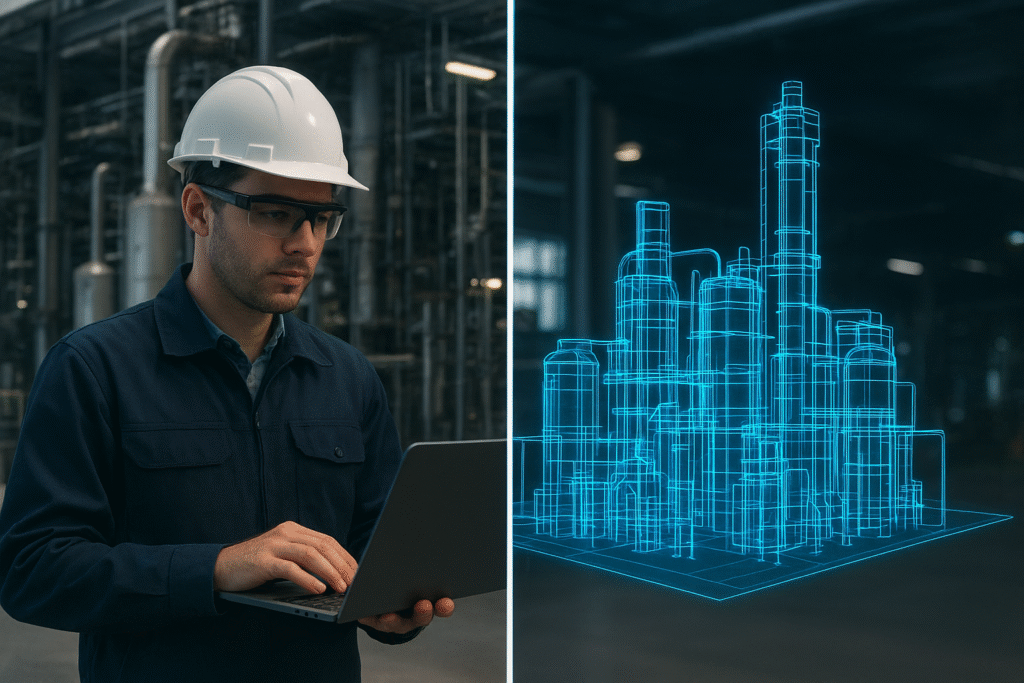
The era of heavy manuals and static schematics is giving way to a digital learning ecosystem — a blend of e-learning platforms, interactive simulations, and field data integration.
Modern digital tools are reshaping how industrial engineers learn:
Digital Twins: Virtual replicas of equipment allow engineers to simulate start-up, commissioning, and troubleshooting steps safely.
AR/VR Training: Enables hands-on experience in a virtual space — ideal for learning cryogenic systems or plant control rooms.
Online Learning Platforms: Provide on-demand, modular lessons that can be updated instantly with the latest industry practices.
For organizations, this shift means faster onboarding and consistent training standards across teams. For individuals, it means flexible, career-long learning without leaving the plant floor.
It’s another example of how digital learning for industrial engineers bridges design theory with real-world performance.
3️⃣ Key Advantages of Digital Learning for Industrial Engineers
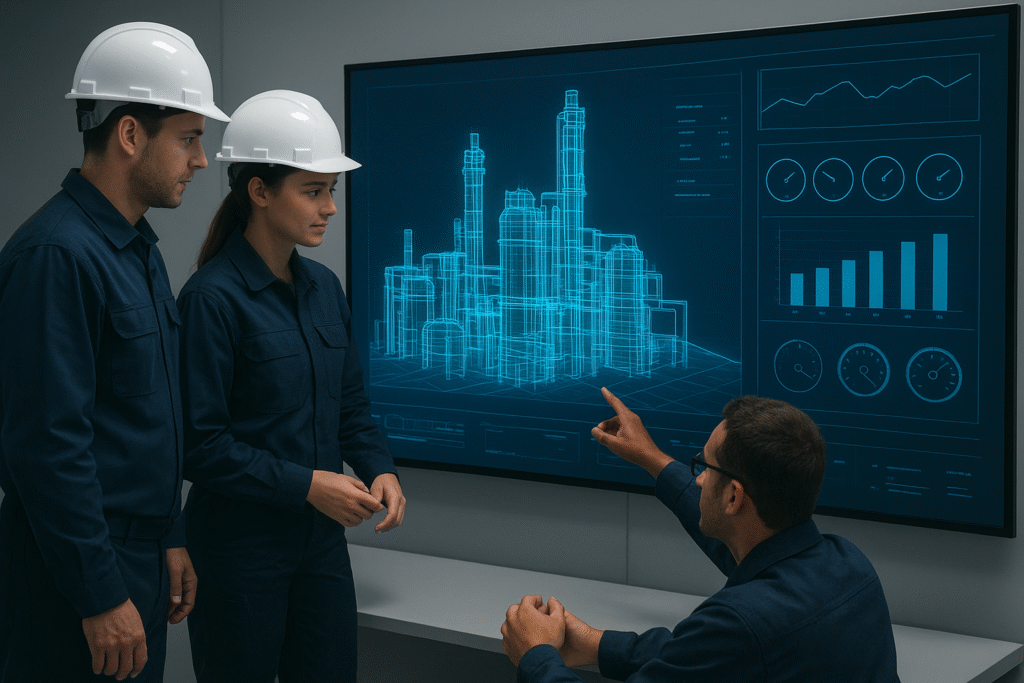
Why is digital learning for industrial engineers becoming an industry standard? Because it delivers measurable results across safety, performance, and productivity.
Key Advantages:
Safety Without Risk: Simulations allow engineers to practice critical operations — such as purging, leak testing, or compressor start-ups — without physical hazards.
Scalability: Once created, training modules can be deployed globally with consistent quality.
Real-Time Feedback: Engineers can see performance metrics and identify gaps immediately.
Cost Efficiency: Reduces travel, downtime, and equipment wear from repeated field trials.
Retention & Engagement: Visual and interactive learning boosts retention up to 70% compared to traditional methods.
At Graphic Medium Industrial, our digital training modules combine engineering accuracy with visual clarity — ensuring that digital learning for industrial engineers delivers both technical depth and user-friendly accessibility.
4️⃣ Challenges in Adopting Digital Learning for Industrial Engineers
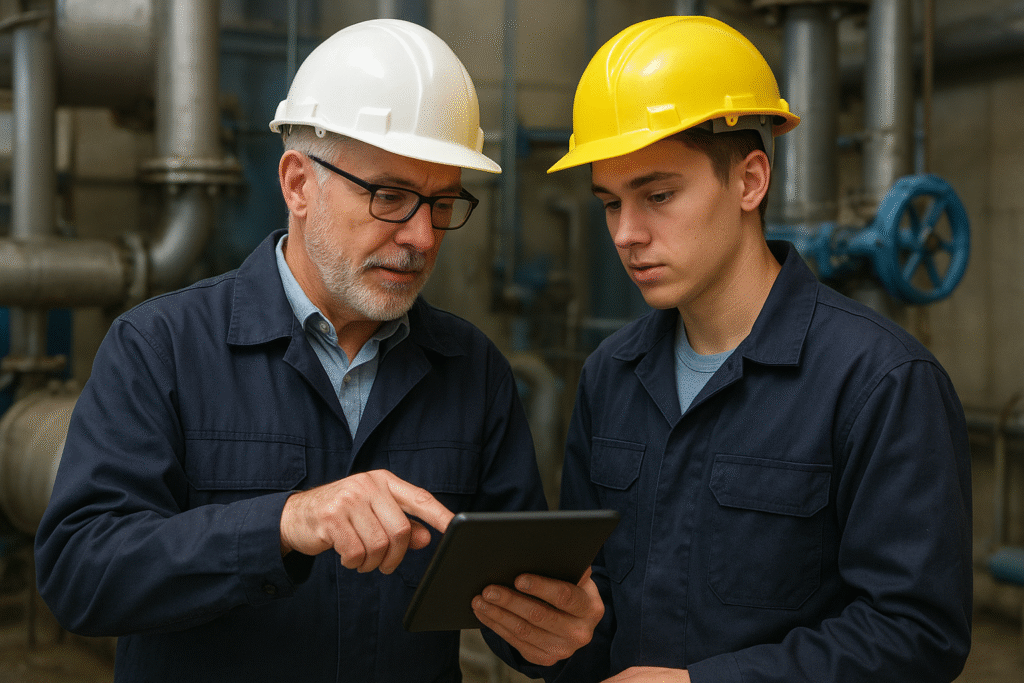
Like any major shift, integrating digital learning faces real-world resistance. Some engineers believe that “hands-on” can’t be replaced — and they’re right. Digital learning isn’t meant to replace field experience; it’s meant to amplify it.
Common Barriers:
Lack of awareness of modern tools.
Limited internet access in remote industrial sites.
Inertia toward change in long-established training systems.
Solutions:
Start with hybrid learning — combining on-site mentorship with digital pre-training.
Encourage leadership buy-in by showcasing measurable ROI in safety and time savings.
Leverage mobile-friendly tools for offline use.
When implemented correctly, digital learning for industrial engineers enhances — not replaces — the vital real-world lessons that fieldwork provides.
“A major part of digital learning’s value lies in helping teams avoid common operational mistakes — the kind often highlighted in resources like Top 10 Common Problems During Nitrogen Plant Start-Up.”
5️⃣ Future Skills Enabled by Digital Learning for Industrial Engineers
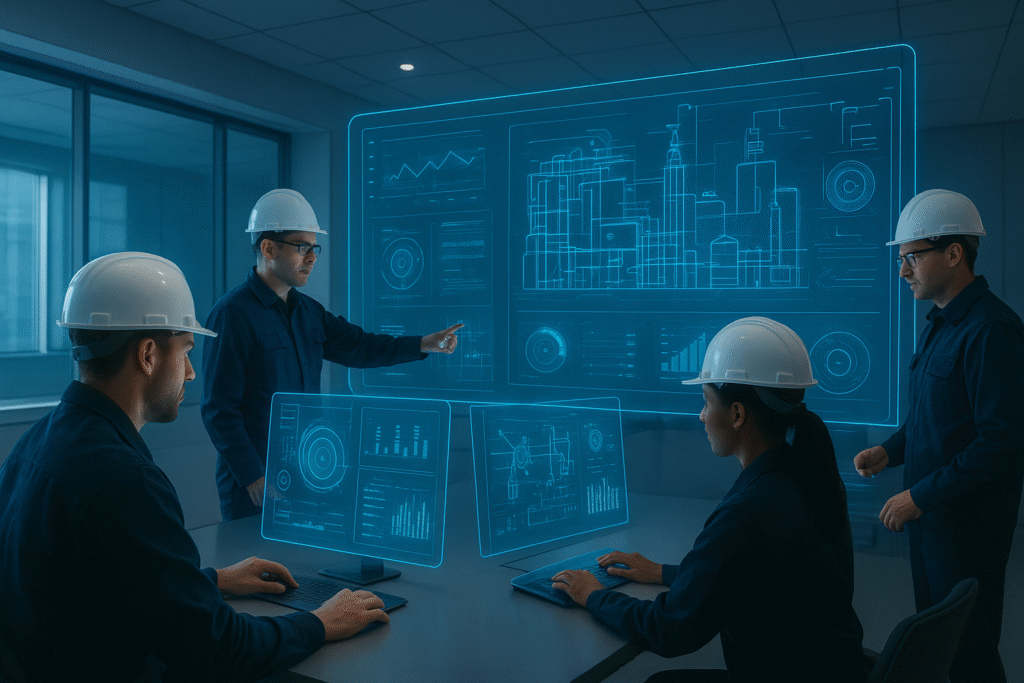
The next decade will belong to adaptive engineers — those who learn continuously and embrace new tools.
Emerging technologies such as AI-driven analytics, IoT-based monitoring, and real-time simulation are already influencing industrial training. In the near future, engineers will be able to:
Access micro-courses on cryogenic systems directly from mobile apps.
Perform digital plant walkthroughs before actual site visits.
Receive instant performance feedback from AI-powered platforms.
This hybrid model — combining digital learning for industrial engineers with real-world validation — will define the new standard for commissioning best practices, safety training, and plant performance optimization.
“Safety remains the foundation of industrial operations. Refer to our Safety Guidelines for Cryogenic Systems (Infographic + PDF) for clear, structured principles that complement digital learning modules.”
Conclusion: The Learning Revolution Has Begun
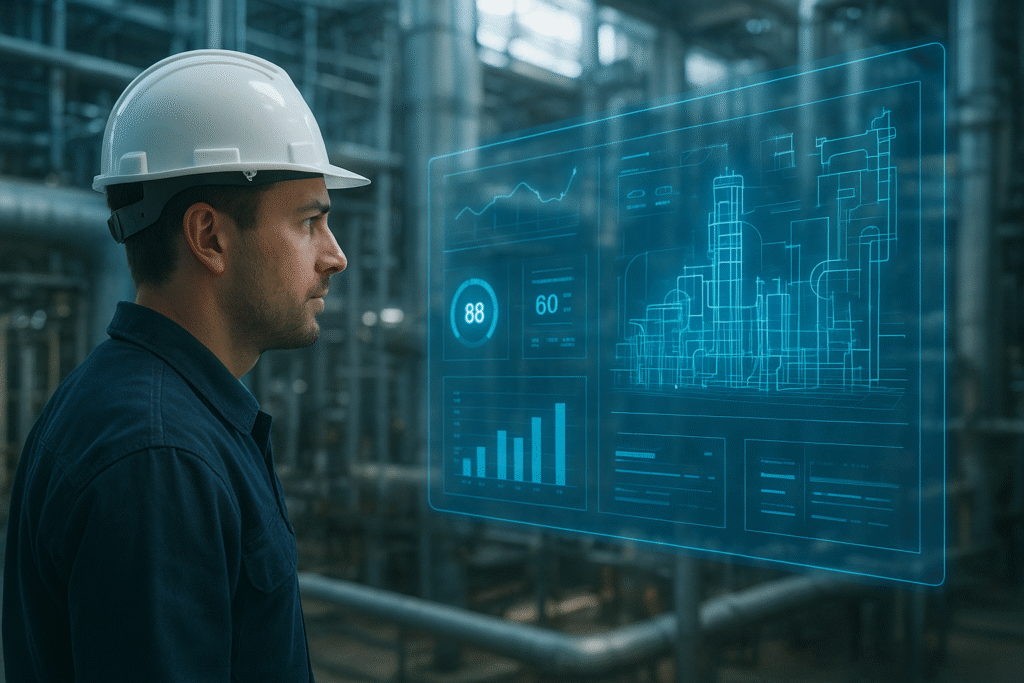
Digital learning for industrial engineers isn’t just a trend — it’s an evolution in how knowledge flows across technical disciplines.
The traditional mentor–apprentice model will always have its place, but digital learning enables broader reach, consistent quality, and safer training conditions. It democratizes expertise — allowing every engineer, regardless of location, to access high-quality industrial training.
“Global safety and technical organizations — from OSHA to international cryogenics associations — continue to emphasize structured, modern approaches to training, a direction also seen in skill-development movements like WorldSkills.”
At Graphic Medium Industrial, our mission is simple:
To transform field-tested experience into structured, visual, and scalable digital learning for industrial engineers — empowering professionals to stay current, safe, and effective in a rapidly evolving industrial world.
“For plants facing complex transitions, industrial commissioning consulting can complement digital learning with targeted engineering support.”
Built from real commissioning and plant safety workflows.