
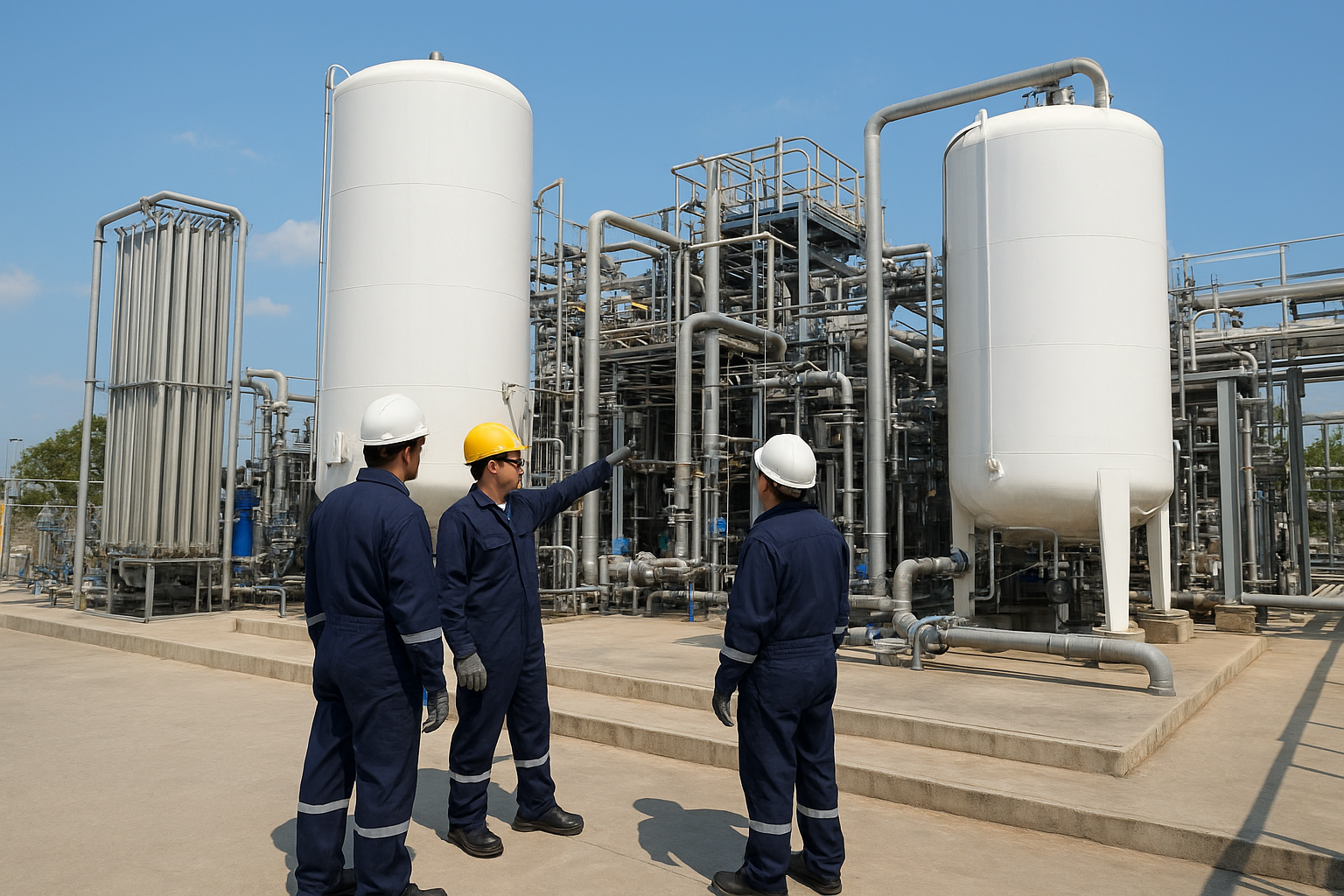
Cryogenic nitrogen plant safety is not optional — it is a core engineering discipline. Every activity inside a cryogenic nitrogen plant, from compressor start-up to cold box operation, carries inherent risk due to extremely low temperatures, high pressures, and oxygen displacement hazards.
Without structured procedures, trained operators, and proper safeguards, small oversights can quickly escalate into serious incidents.
This guide explains essential safety practices for cryogenic nitrogen plants, helping engineers prevent start-up issues, equipment damage, and operational hazards before they occur.
 If you are preparing for start-up, begin with our Cryogenic Nitrogen Plant Commissioning Checklist (PDF) for a structured pre-start safety review.
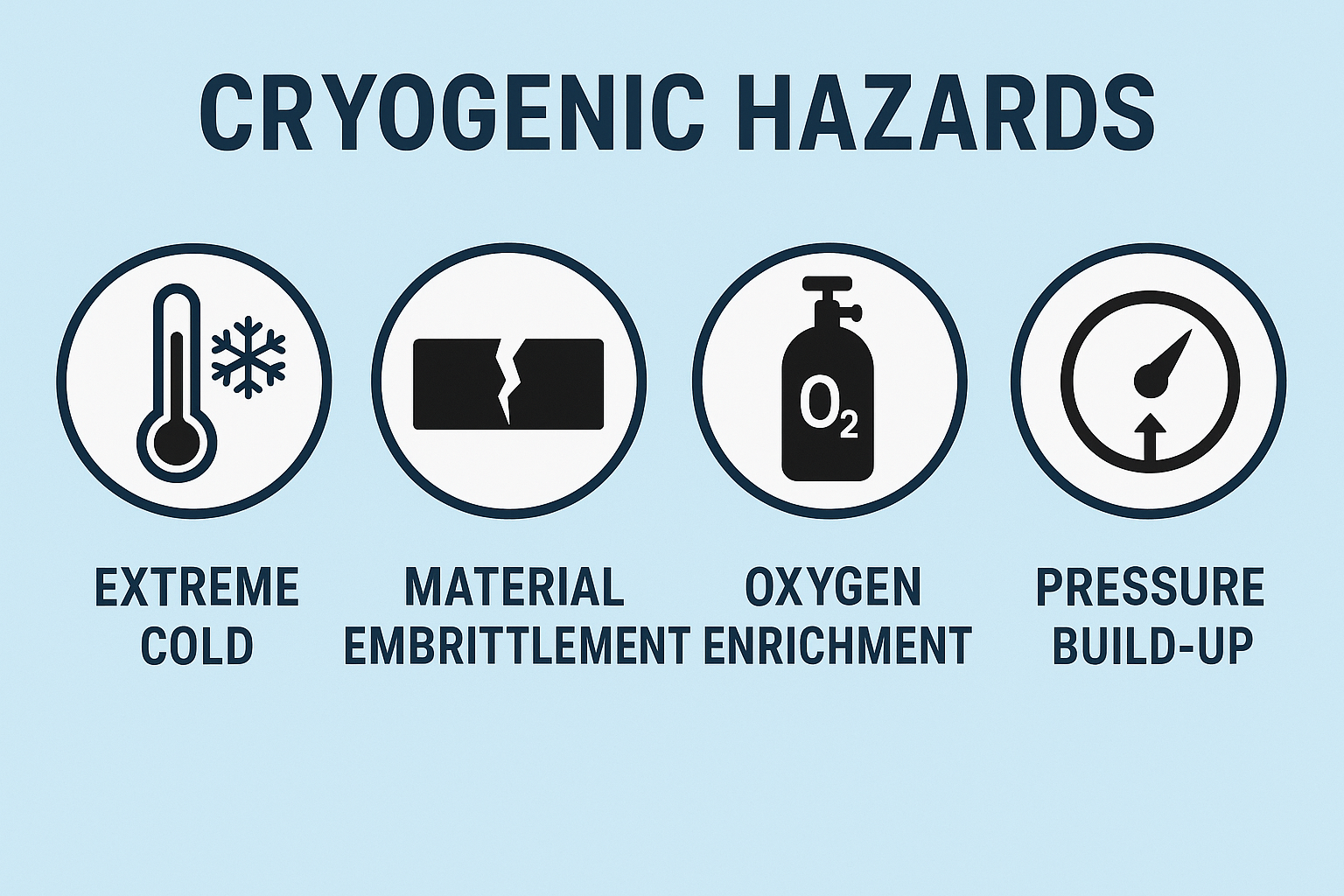
The physical design of a cryogenic nitrogen plant facility forms the first line of protection. Proper insulation, pressure protection, and safe access control reduce the likelihood of freezing damage, overpressure events, and accidental exposure.
Key Equipment Safety Measures:
Insulated Pipelines & Valves: Prevent frost formation and protect against surface burns.
Pressure Relief Valves: Regularly calibrated to avoid overpressure conditions.
Safety Barriers & Signage: Restrict unauthorized entry into cryogenic zones.
Drip Trays & Spill Basins: Capture condensate and minimize ice accumulation.
Remote Shutoff Systems: Enable system isolation from a safe distance during emergencies.
Routine inspections, mechanical integrity checks, and strict maintenance schedules are non-negotiable. Safety valves are silent guardians — they must always be tested and documented to maintain cryogenic nitrogen plant safety standards.
For detailed field troubleshooting and inspection templates, use our Nitrogen Plant Troubleshooting Toolkit to standardize equipment safety checks.
“Operators should follow applicable OSHA workplace safety standards and recognized cryogenic safety guidelines to ensure compliance and safe operation.”

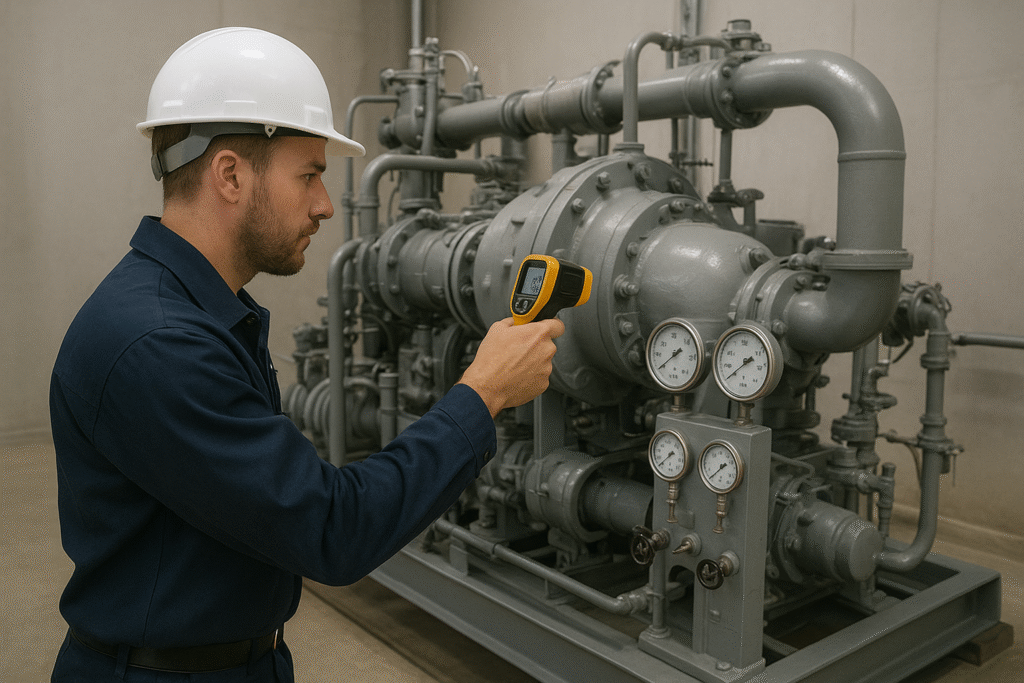
Automation improves reliability, but poorly maintained instrumentation can introduce hidden risks. Reliable instrumentation and control systems in cryogenic nitrogen plants ensure safe shutdowns, alarm response, and stable operation.
Instrumentation Safety Checklist:
Verify all pressure and temperature transmitters are calibrated.
Test interlocks and emergency shutdown (ESD) systems regularly.
Validate DCS logic for high/low setpoints and trip conditions.
Maintain redundant instrumentation for critical parameters (e.g., product purity, storage pressure).
Ensure operators are trained in alarm response procedures.
Standardize these checks using our Commissioning & Stability Troubleshooting Toolkit — includes calibration logs, trend sheets, and validation templates used by field engineers.
At Graphic Medium Industrial, we emphasize “control awareness” — knowing not just what the system does, but why it reacts that way.

A cryogenic nitrogen plant is only as safe as the people operating it. Structured training, certification, and repeated drills ensure operators recognize hazards early and respond correctly during abnormal situations.
Key Training Areas:
Cryogenic process fundamentals
PPE usage and emergency response
Control system familiarization (DCS/PLC)
Permit-to-work systems and lockout/tagout
First aid and fire safety
Many engineering teams are now adopting digital training modules and mini-courses focused on cryogenic safety and commissioning practices — available on demand, anytime.
Our Cryogenic Training Programs help teams build practical commissioning and safety skills.


Digital tools now play a major role in improving cryogenic nitrogen plant safety. Real-time monitoring, mobile inspections, and structured logs reduce human error and provide early warning of unsafe conditions.
Recommended Tools:
Digital checklists for commissioning and maintenance
QR-based equipment logs for faster traceability
Mobile dashboards for real-time plant status
Online training modules to refresh safety standards
At Graphic Medium Industrial, we integrate proven engineering logic into digital checklists, troubleshooting templates, and commissioning tools to simplify plant safety management.
Explore our Explore our digital safety tools, checklists, and troubleshooting downloads

