Why Nitrogen Plant Energy Consumption Increases

Understanding the operational causes of high energy consumption in cryogenic nitrogen plants and how engineers diagnose and improve plant efficiency.

why nitrogen plant energy consumption increases

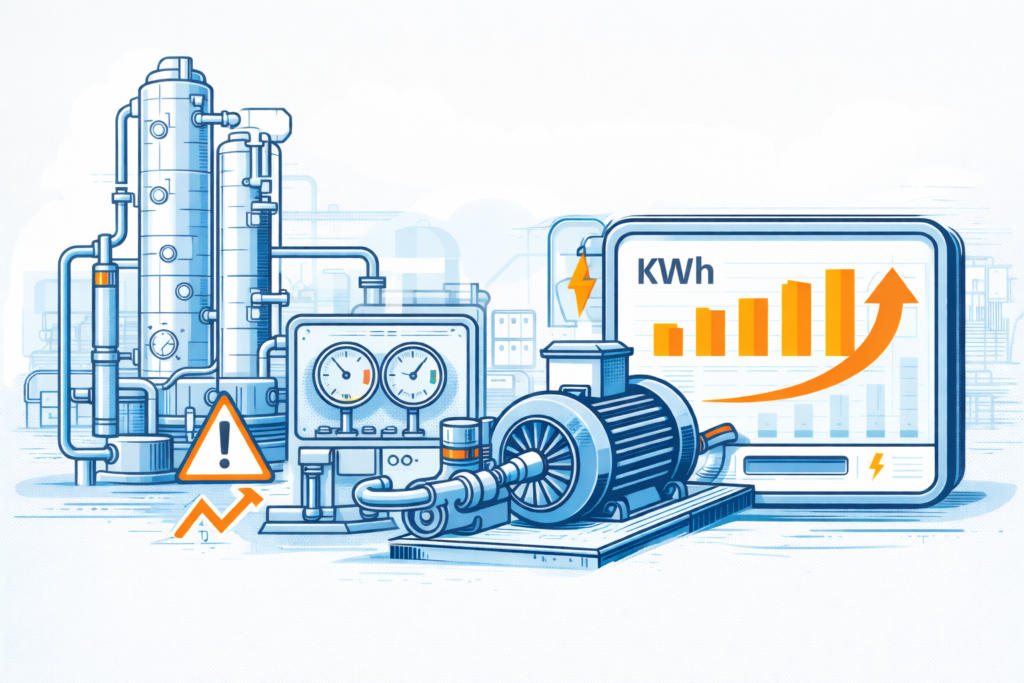
Cryogenic nitrogen plants are energy-intensive industrial systems where compressors, refrigeration units, and process equipment consume significant electrical power. In many facilities, plant engineers observe situations where nitrogen plant energy consumption increases even though nitrogen production remains unchanged.

Understanding why nitrogen plant energy consumption increases is essential for maintaining plant efficiency and controlling operating costs. In most cases, increased energy usage is linked to pressure drop in process equipment, heat exchanger inefficiencies, expander performance degradation, or improper operating conditions.

Identifying the root causes helps engineers diagnose problems early and restore optimal plant performance.

🔷Quick Engineering Summary for Plant Engineers

• Cryogenic nitrogen plants consume most energy in air compression and refrigeration systems.
• Increased pressure drop in the process system raises compressor power demand.
• Column imbalance or refrigeration inefficiency can increase energy usage.
• Equipment performance degradation may gradually increase plant power consumption.
• Process monitoring helps engineers identify energy inefficiencies early.

Operational Symptoms of Increased Energy Consumption

When nitrogen plant energy consumption increases, several operational indicators may appear within the plant. These symptoms help plant engineers detect inefficiencies before they lead to major operational disturbances.

Recognizing early signs of increasing power demand allows engineers to investigate the underlying causes and restore efficient plant operation.

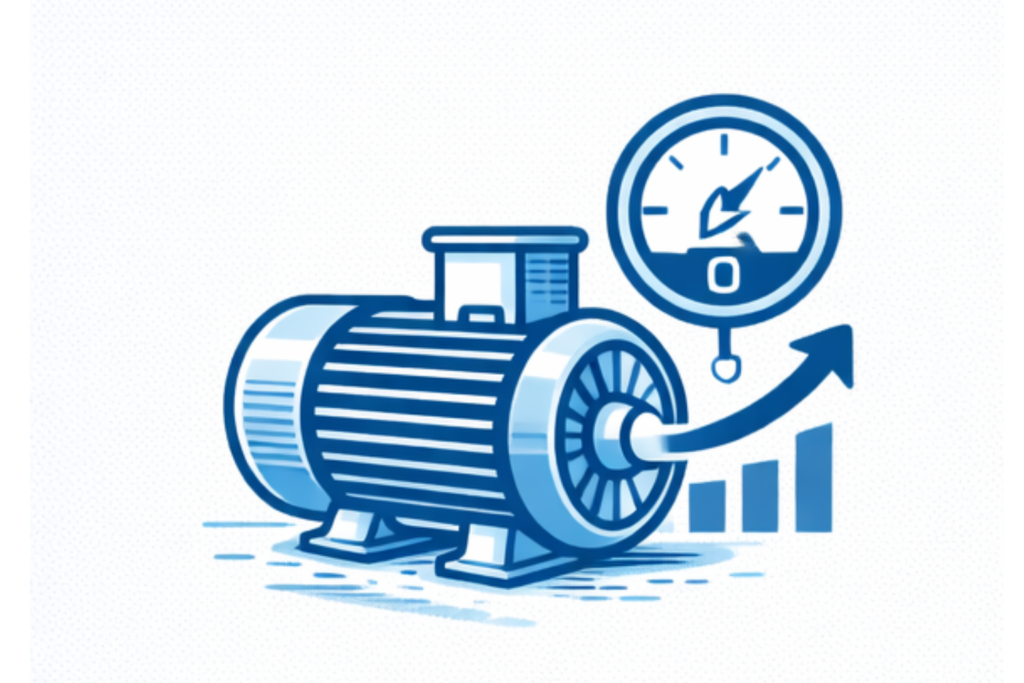
1️⃣ Increased Compressor Load

Air compressor power demand may gradually increase even when production rate remains constant.

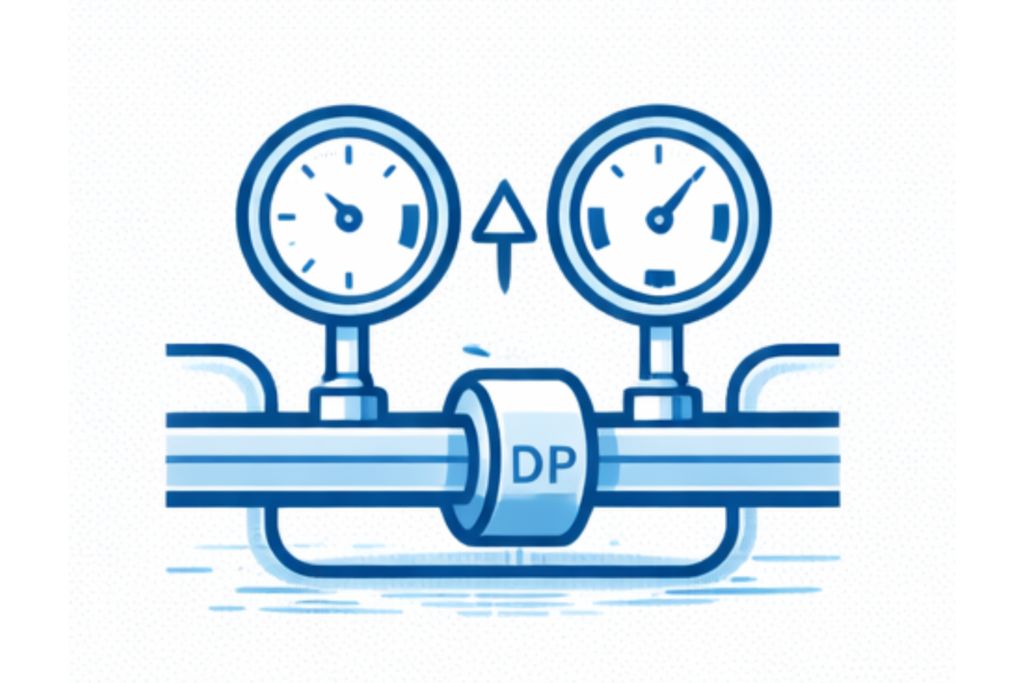
2️⃣ Rising System Pressure Drop

Pressure drop across filters, heat exchangers, or process equipment may increase.

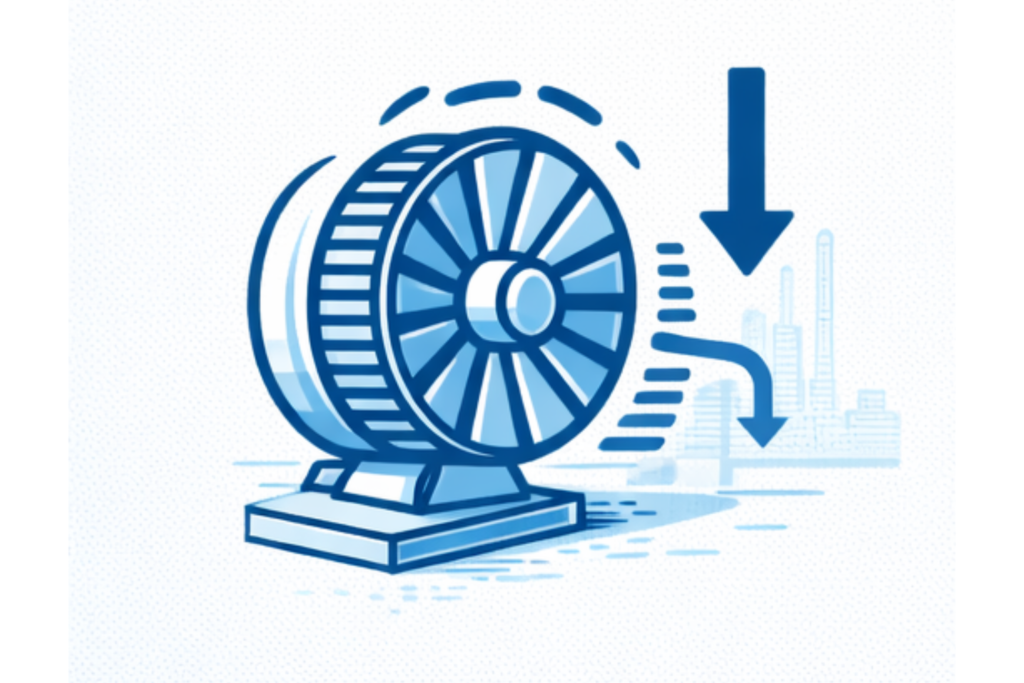
3️⃣ Reduced Expander Efficiency

Expander performance declines due to fouling, wear, or improper operating conditions.

4️⃣ Increased Refrigeration Demand

More refrigeration is required to maintain cryogenic temperatures due to process imbalance.

Why Energy Consumption Matters

When nitrogen plant energy consumption increases, it directly affects plant operating costs and process efficiency. Even small increases in compressor load or refrigeration demand can significantly raise electricity consumption in cryogenic nitrogen plants.

For plant engineers, understanding why nitrogen plant energy consumption increases is critical because rising energy demand often indicates underlying process inefficiencies or equipment performance issues.

Monitoring plant energy performance therefore becomes an important part of maintaining stable and cost-effective nitrogen plant operation.

Increased energy consumption may lead to:

Higher Operating Costs

Air compressors consume the majority of plant electrical power. Increased compressor load directly raises energy expenses.

Reduced Plant Efficiency

Process inefficiencies may require more power to produce the same quantity of nitrogen.

Equipment Stress

Higher operating loads may place additional stress on compressors, expanders, and refrigeration equipment.

Operational Instability

Energy inefficiencies often indicate underlying process problems that may eventually disturb plant stability.

For these reasons, monitoring plant energy performance is an important part of cryogenic plant operation.

Major Causes of Nitrogen Plant Energy Consumption Increase

In most cryogenic plants, nitrogen plant energy consumption increases due to a combination of equipment performance issues, pressure losses in the air system, or unstable process conditions.

Understanding the engineering causes behind why nitrogen plant energy consumption increases helps plant engineers identify inefficiencies and implement corrective actions before energy usage rises significantly.

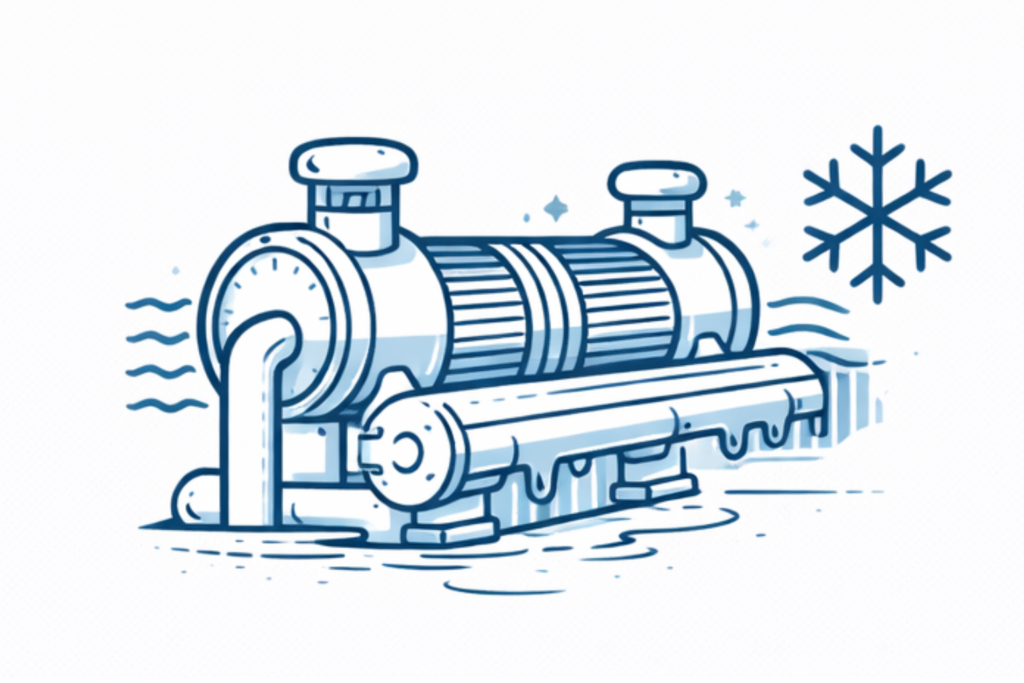
1. Heat Exchanger Fouling or Icing

Cryogenic heat exchangers play a critical role in maintaining efficient heat transfer between process streams.

If fouling, moisture ingress, or icing occurs inside the heat exchanger passages, heat transfer efficiency decreases significantly.

As a result:

  • Refrigeration balance becomes unstable

  • Additional compressor work is required

  • Overall plant energy consumption increases

Heat exchanger fouling is one of the most common causes of rising power demand in cryogenic systems.

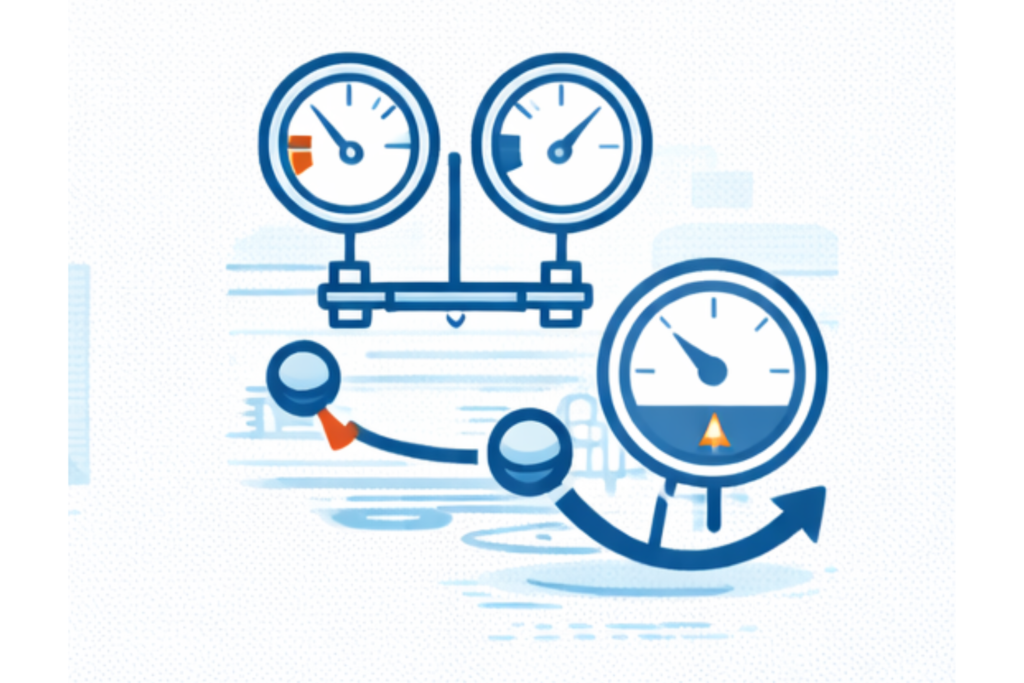
2. High Pressure Drop in Process Equipment

Excessive pressure drop across equipment such as:

  • air filters

  • molecular sieve units

  • heat exchangers

  • process piping

can increase the load on the air compressor.

When the compressor must overcome additional pressure losses, it consumes more electrical power to maintain the required airflow and pressure.

Over time, small pressure losses across multiple components can significantly increase plant energy consumption.

3. Expander Performance Degradation

Turboexpanders are responsible for generating refrigeration within the cryogenic process. Their efficiency directly affects plant energy performance.

Performance degradation may occur due to:

  • turbine wear or blade damage

  • improper operating conditions

  • bearing issues

  • contamination in process gas

When expander efficiency decreases, the plant must compensate by increasing compressor power or adjusting process conditions, which leads to higher energy consumption.

4. Improper Process Operating Conditions

Operating parameters that deviate from optimal design conditions can reduce plant efficiency.

Common examples include:

  • incorrect column pressure levels

  • improper reflux ratios

  • unstable feed air conditions

  • incorrect valve settings or control tuning

When process conditions move away from their optimal operating window, the plant requires additional refrigeration and compression energy to maintain stable operation.

Maintaining correct operating parameters is therefore essential for energy-efficient nitrogen plant performance.

Diagnostic Approach Used by Plant Engineers

When nitrogen plant energy consumption increases, plant engineers typically follow a structured diagnostic approach to identify the root cause of the efficiency loss.

Instead of making immediate operating adjustments, engineers analyze compressor power trends, system pressure drop, expander performance, and process operating conditions to determine why nitrogen plant energy consumption increases.

A systematic evaluation of plant data helps isolate process disturbances and restore optimal plant efficiency.

1. Review Compressor Power Trends

Engineers analyze historical power consumption data to identify when energy usage began to increase.
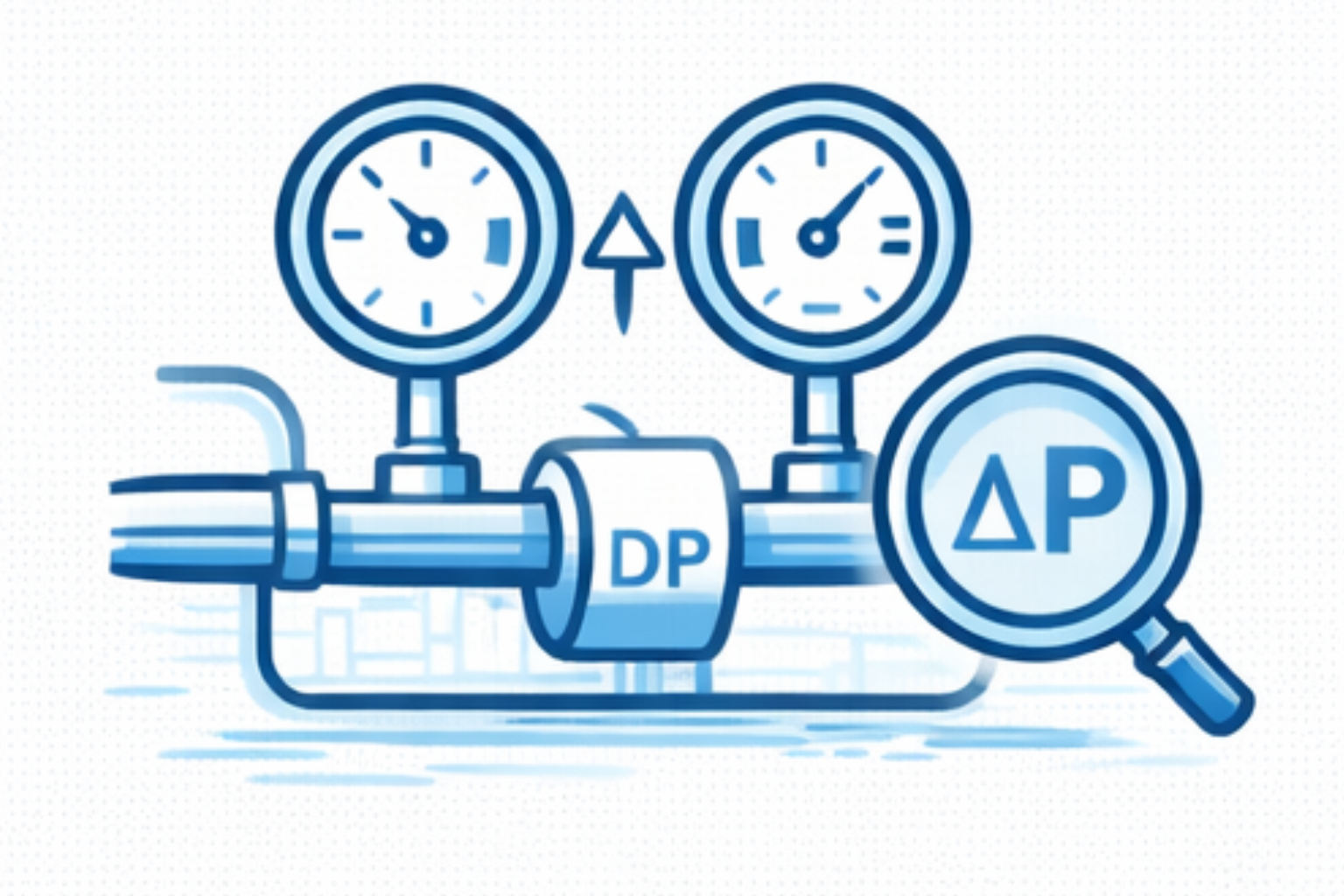
2. Check System Pressure Drop

Pressure drop across filters, heat exchangers, and purification systems is evaluated.
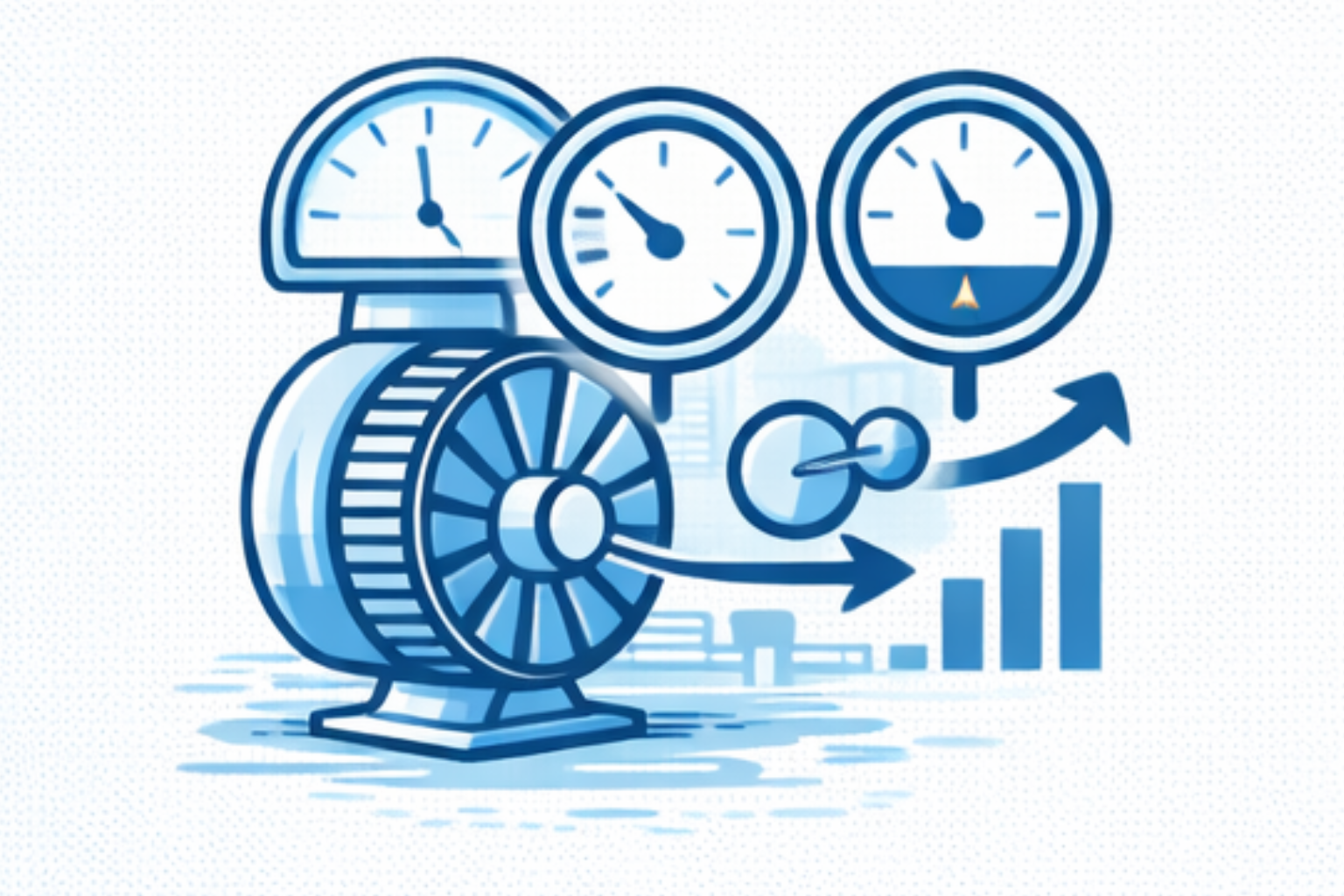
3. Evaluate Expander Performance

Expander speed, temperature, and pressure ratio are analyzed to assess refrigeration performance.

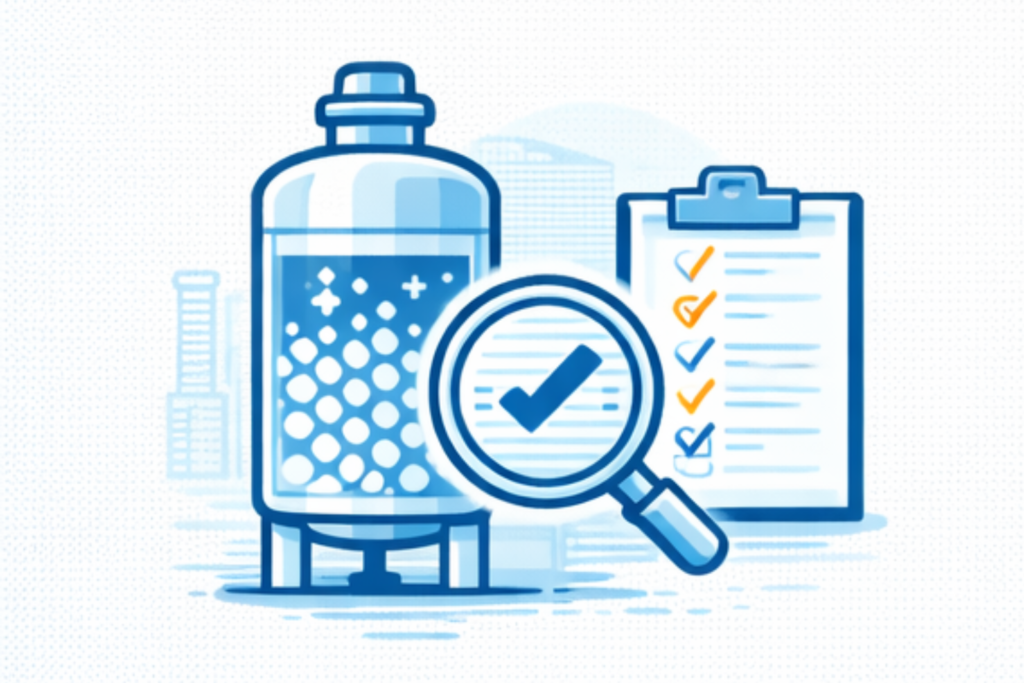
4. Verify Air Purification System Operation

Adsorption cycle timing, regeneration temperature, and molecular sieve performance are reviewed.

5. Compare Production Efficiency

Engineers compare nitrogen production rate against energy consumption to determine plant efficiency.

Key Engineering Insight

In many cryogenic nitrogen plants, increased energy consumption develops gradually rather than suddenly. Small process inefficiencies—such as increased pressure drop or declining equipment performance—can accumulate over time.

Monitoring long-term operating trends is therefore essential for identifying energy inefficiencies before they significantly impact plant performance.

Engineering Solutions to Reduce Energy Consumption

Once the causes are identified, plant engineers can implement corrective actions to reduce power consumption and improve plant efficiency. Addressing the factors responsible for why nitrogen plant energy consumption increases often involves stabilizing process conditions, reducing system pressure losses, and maintaining proper equipment performance.

Consistent monitoring and preventive maintenance play an important role in preventing situations where nitrogen plant energy consumption increases over time.

Maintain Clean Process Equipment

Regular inspection of filters, heat exchangers, and pipelines helps minimize pressure drop.

Stabilize Distillation Column Operation

Maintaining proper reflux and column pressure improves separation efficiency.

Monitor Expander Performance

Regular performance checks ensure efficient refrigeration generation.

Maintain Air Purification System

Reliable molecular sieve operation prevents contamination that may disturb the cryogenic process.

Optimize Operating Pressure

Operating the plant within optimal pressure ranges improves energy efficiency.

Implement Process Monitoring Programs

Continuous monitoring of plant performance helps identify energy inefficiencies early.

Practical Engineering Insight

Energy efficiency in cryogenic nitrogen plants depends heavily on stable process operation. Plants that maintain consistent operating conditions typically consume less energy than those experiencing frequent disturbances or operational instability.

Troubleshooting Nitrogen Plant Energy Consumption Increases

When nitrogen plant energy consumption increases, a structured troubleshooting sequence helps engineers identify process inefficiencies quickly.

By reviewing compressor performance, pressure drop trends, expander efficiency, and plant operating parameters, engineers can determine why nitrogen plant energy consumption increases and implement corrective actions to restore energy-efficient operation.

Step 1 — Verify Compressor Power and Air Flow

Begin by reviewing the air compressor operating parameters, since compressors typically account for the largest share of plant power consumption. Check: Compressor power consumption trends Suction and discharge pressures Air flow rate compared with plant production load If compressor power has increased without a corresponding increase in nitrogen production, the cause is usually related to pressure drop, process inefficiency, or refrigeration imbalance.

Step 2 — Check System Pressure Drop

Excessive pressure drop across process equipment forces the compressor to work harder. Inspect pressure differences across: Air filtration system Molecular sieve adsorption units Cryogenic heat exchangers Process piping sections An increase in pressure drop often indicates fouling, contamination, or blockage in the process path.
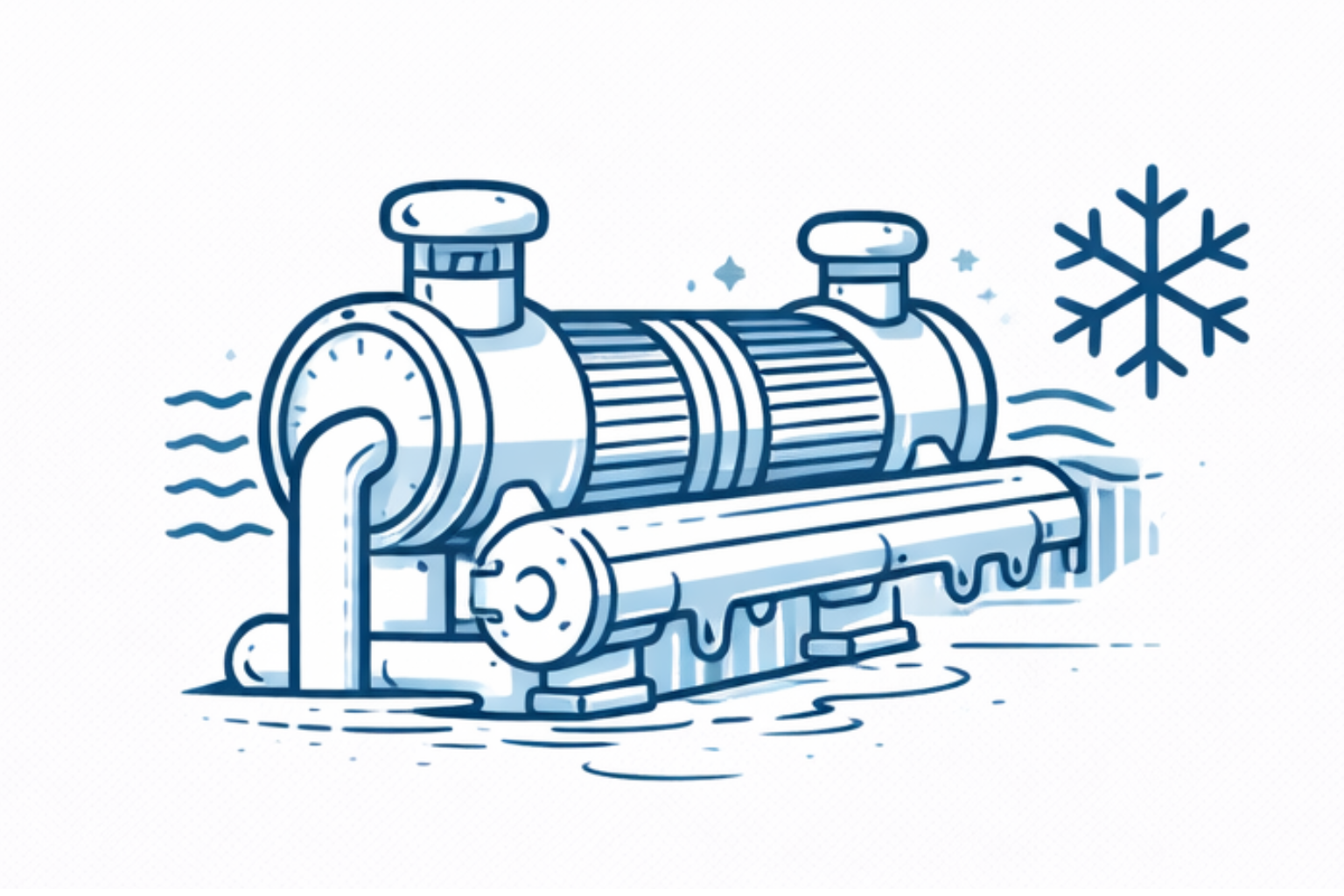
Step 3 — Evaluate Heat Exchanger Performance

Cryogenic heat exchangers are critical for maintaining efficient thermal balance. Review: Temperature profiles across exchanger sections Signs of icing or moisture contamination Abnormal temperature differences between streams Reduced heat transfer efficiency can significantly increase refrigeration demand, leading to higher compressor power consumption.

Step 4 — Check Expander Operating Conditions

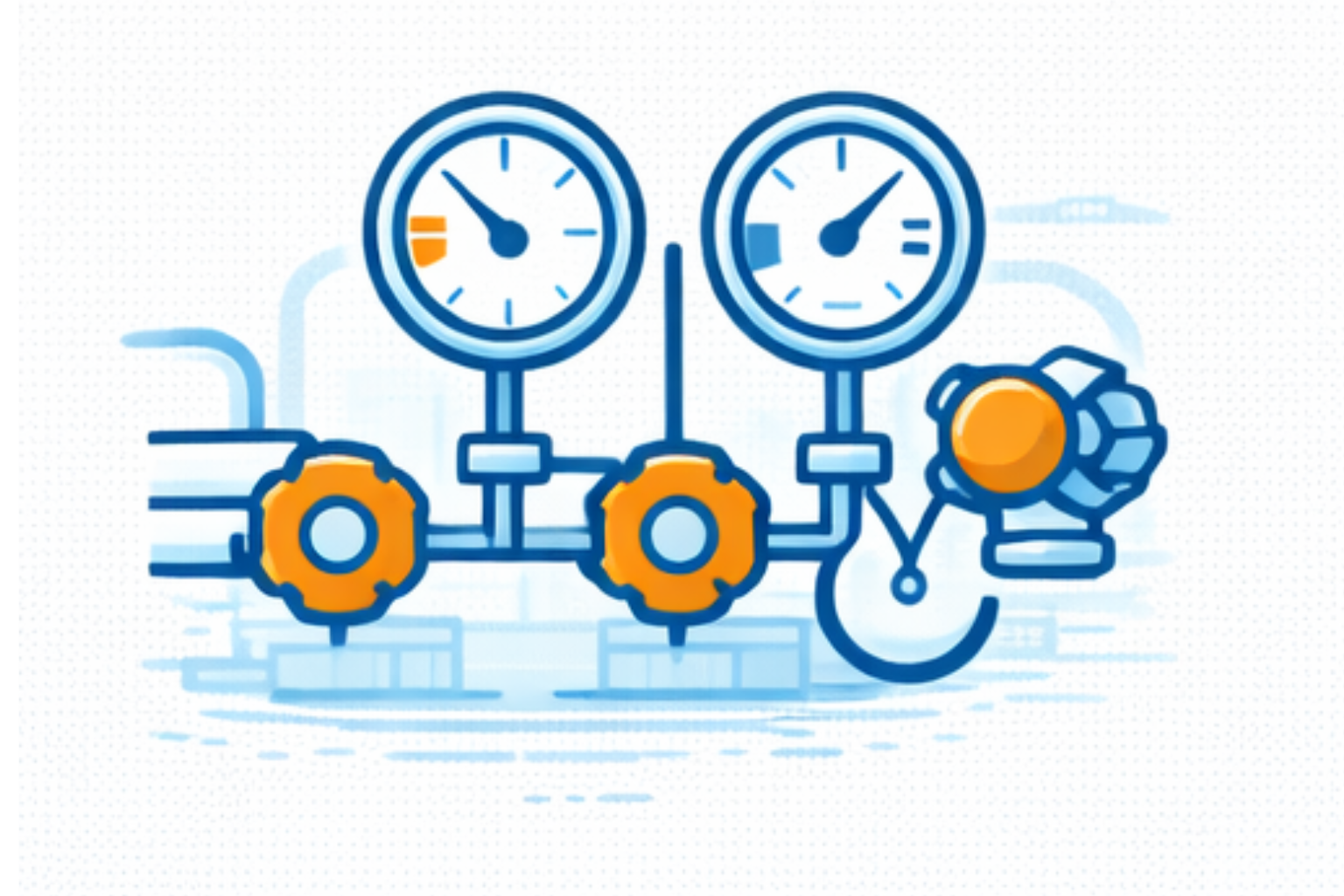
Turboexpanders generate refrigeration for the cryogenic process. Any reduction in expander efficiency directly affects plant energy performance. Verify: Expander inlet and outlet temperatures Pressure ratios across the expander Expander rotational speed and load Mechanical wear, contamination, or improper operating conditions can reduce expander efficiency and increase plant energy requirements.
Step 5 — Review Process Operating Conditions

Operating conditions that deviate from optimal design parameters can cause unnecessary energy consumption. Evaluate: Distillation column pressure levels Reflux ratios Feed air conditions Control valve positions Maintaining proper process conditions ensures the plant operates within its optimal energy efficiency range.

Step 6 — Analyze Historical Performance Trends

Finally, review plant performance trends over time. Compare: Power consumption vs nitrogen production Pressure drop history across key equipment Expander efficiency trends Column temperature stability Trend analysis often reveals gradual process degradation that may not be immediately visible during normal operation.

Following this structured troubleshooting sequence allows plant engineers to systematically identify inefficiencies and restore optimal energy performance in cryogenic nitrogen plants.

Additional Engineering Support

Diagnosing increased energy consumption in cryogenic nitrogen plants often requires structured analysis of process performance, equipment efficiency, and operating conditions.

Engineers investigating plant efficiency issues can benefit from the Cryogenic Nitrogen Plant Optimization Toolkit, which provides structured methods for evaluating plant performance, identifying energy losses, and improving operational stability.

For complex operational challenges requiring deeper technical analysis, specialized Cryogenic Nitrogen Plant Consulting Services are also available.

Conclusion and Key Takeaways

Increased energy consumption in cryogenic nitrogen plants often results from process inefficiencies, equipment performance degradation, or operational instability.

By monitoring compressor load, system pressure drop, column performance, and refrigeration efficiency, plant engineers can identify the root causes of rising energy demand and implement corrective measures to restore optimal plant efficiency..

Key Takeaways for Plant Engineers

• Air compressors represent the largest energy consumer in nitrogen plants.
• Increased system pressure drop often leads to higher energy consumption.
• Column instability and refrigeration inefficiency can increase power demand.
• Equipment performance degradation may gradually reduce plant efficiency.
• Continuous monitoring helps engineers detect energy inefficiencies early.

Scroll to Top