Common Causes of Cryogenic Nitrogen Plant Trips

Common Causes of Cryogenic Nitrogen Plant Trips

Understanding the operational causes, diagnostic approach, and engineering solutions for cryogenic nitrogen plant trips.

cryogenic nitrogen plant trips

Cryogenic nitrogen plants are designed for continuous and stable operation. However, disturbances in equipment performance, process parameters, or instrumentation can trigger automatic safety shutdowns known as cryogenic nitrogen plant trips.

These protective shutdowns are essential for preventing damage to critical equipment such as compressors, expanders, and distillation columns. While safety trips protect the plant, frequent shutdowns can significantly disrupt production, reduce plant reliability, and increase operational complexity.

Understanding the common causes of cryogenic nitrogen plant trips helps plant engineers detect early instability and maintain stable nitrogen production.

Instability in cryogenic plant operation can also affect product quality, leading to issues such as nitrogen purity fluctuation in cryogenic plants, which engineers must diagnose carefully.

🔷Quick Engineering Summary for Plant Engineers

• Cryogenic nitrogen plant trips occur when safety systems detect abnormal operating conditions.
• Compressor surge, expander instability, and column disturbances are common triggers.
• Instrumentation faults can also initiate unintended shutdown signals.
• Early detection of operational symptoms helps prevent plant trips.
• Structured troubleshooting helps engineers quickly identify root causes.

Operational Symptoms of Nitrogen Plant Purity Fluctuation

Before a shutdown occurs, several operational indicators may appear. Recognizing these symptoms allows engineers to investigate the issue before a complete plant trip occurs.

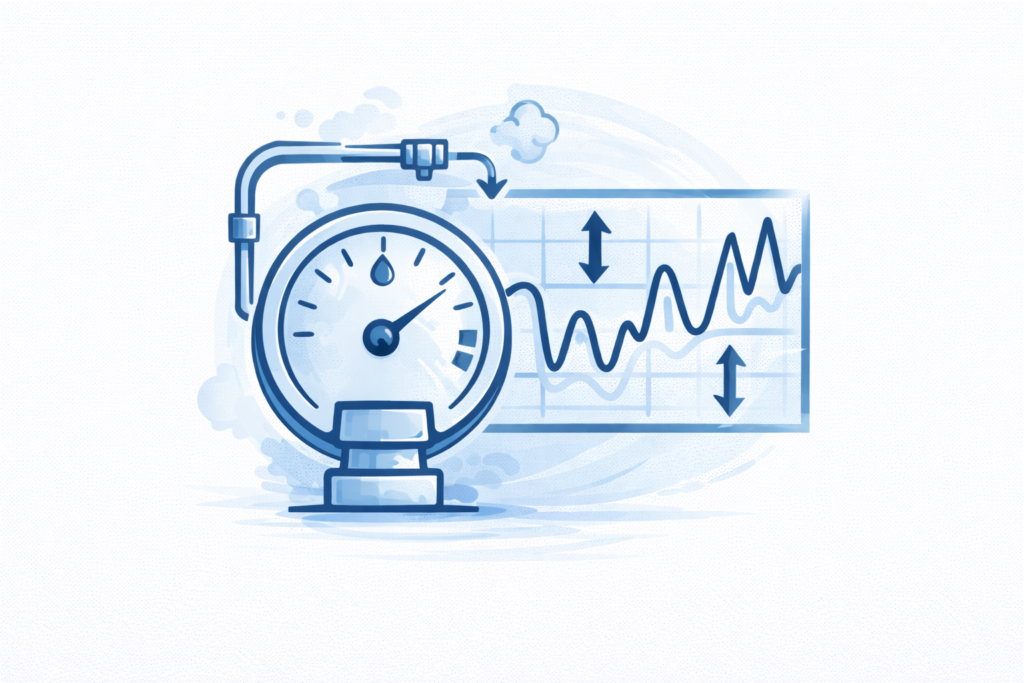
Pressure Instability

Sudden changes in system pressure can indicate instability within the distillation column or process equipment.

Expander Speed Fluctuation

Variations in expander rotational speed may disturb refrigeration balance.

Compressor Load Disturbance

Abnormal compressor load or surge conditions may activate protective shutdown systems.

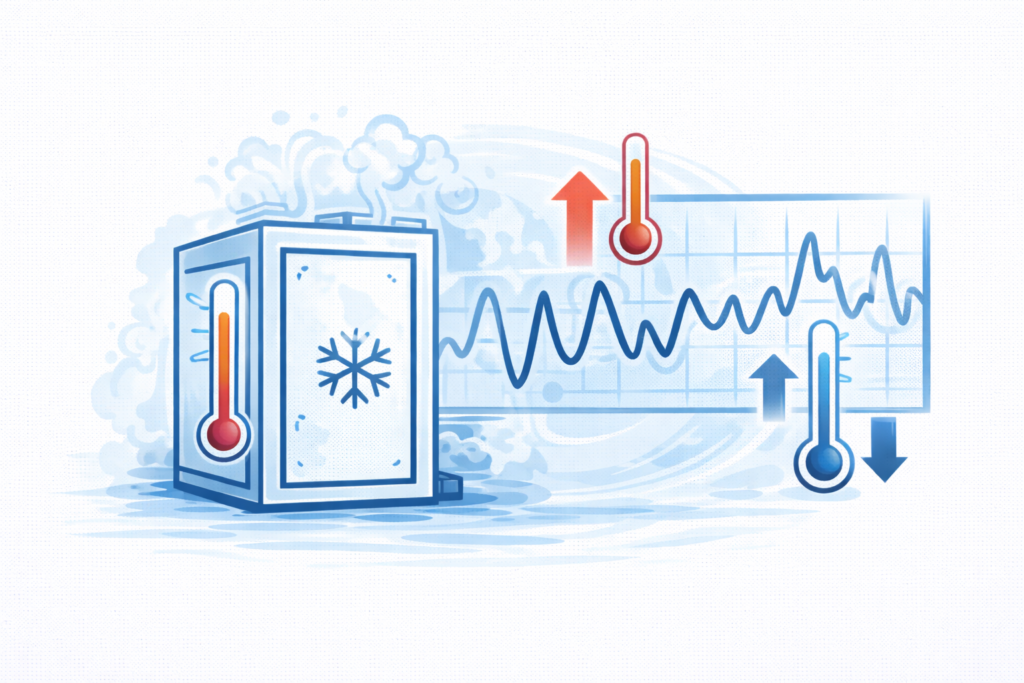
Cold Box Temperature Disturbance

Unexpected temperature changes in the cold box can disrupt separation efficiency.

Product Purity Fluctuation

Instability in nitrogen purity may signal separation imbalance or column disturbance.

Control System Alarms

Frequent alarms from the control system may indicate developing operational problems.

Why Cryogenic Nitrogen Plant Trips Matter

Cryogenic nitrogen plants are designed for continuous operation under stable process conditions. When an unexpected plant trip occurs, the entire separation process is interrupted and the plant must undergo a controlled shutdown followed by a restart procedure.

Frequent trips in cryogenic nitrogen plants can significantly affect plant reliability, production efficiency, and operating costs.

Several operational impacts may arise from repeated shutdown events:

Production Loss

Each plant trip interrupts nitrogen production. Restarting a cryogenic nitrogen plant requires time for equipment stabilization, refrigeration recovery, and column rebalancing. Repeated trips therefore reduce overall plant availability.

Extended Restart Time

After a shutdown, the plant must gradually return to cryogenic operating temperatures. This startup sequence can take several hours depending on plant design and operating conditions.

Thermal Stress on Equipment

Rapid temperature changes during shutdown and restart cycles can introduce thermal stress in heat exchangers, piping systems, and column internals inside the cold box.

Distillation Column Instability

Plant trips disturb the vapor-liquid equilibrium inside the distillation column. Re-establishing stable separation conditions requires careful operational adjustments during plant restart.

Increased Maintenance Requirements

Frequent trips may increase wear on compressors, expanders, control valves, and instrumentation systems, potentially leading to additional maintenance requirements.

Reduced Process Reliability

Recurring plant trips often indicate underlying process instability or equipment performance issues that require detailed engineering evaluation.


Understanding why cryogenic nitrogen plant trips occur and how they affect plant operation helps engineers implement better monitoring practices, improve process stability, and maintain reliable nitrogen production.

Major Causes of Cryogenic Nitrogen Plant Trips

Common engineering causes affecting plant stability

Cryogenic nitrogen plants rely on stable operating conditions across compressors, expanders, refrigeration systems, and distillation columns. Disturbances in these systems can trigger automatic shutdown protection, resulting in cryogenic nitrogen plant trips.

Several operational and equipment-related factors can contribute to these shutdown events. Understanding these causes allows plant engineers to detect instability early and maintain reliable plant operation.

Problems in the air purification system, including molecular sieve failure in nitrogen plant purification units, can introduce moisture and carbon dioxide into the cryogenic section.

1. Compressor Surge Conditions

Air compressors must operate within a stable flow range.
If airflow decreases or system resistance increases, compressors may enter surge conditions. Modern protection systems detect surge risk and trigger a plant trip to prevent mechanical damage.

2. Distillation Column Operating Imbalance

Stable vapor-liquid equilibrium inside the distillation column is essential for nitrogen separation.
Disturbances in pressure balance, reflux ratio, or column liquid levels may cause instability that can lead to plant trips.

3. Expander Performance Instability

Expanders generate the refrigeration required for cryogenic separation.
Mechanical faults, speed fluctuations, or control valve issues can disturb the refrigeration cycle and cause protective shutdowns.

4. Cold Box Refrigeration Disturbance

The cold box maintains extremely low temperatures required for cryogenic separation.
Unexpected temperature changes, heat exchanger problems, or refrigeration imbalance can disrupt process stability and activate safety shutdown systems.

5. Instrumentation or Sensor Faults

Incorrect signals from pressure transmitters, temperature sensors, or analyzers may falsely indicate unsafe operating conditions.
These inaccurate signals can trigger interlocks that shut down the plant even when the process itself is stable.

6. Control System Interlock Activation

Cryogenic plants are protected by multiple safety interlocks designed to prevent unsafe operating conditions.
If parameters such as pressure, temperature, or equipment speed exceed safe limits, the control system automatically trips the plant to protect equipment and personnel.

Diagnostic Approach Used by Plant Engineers

When cryogenic nitrogen plant trips occur, plant engineers typically follow a structured diagnostic approach to identify the underlying cause of the shutdown event. Rather than immediately restarting the plant or adjusting operating parameters, engineers first review the sequence of operational changes that occurred before the trip.

A systematic diagnostic approach helps isolate process disturbances, equipment issues, or instrumentation faults that may have triggered the protective shutdown.

Plant engineers generally focus on the following diagnostic steps:

1. Review Trip Logs and Alarm History

The first step is to examine the plant control system logs to determine which parameter triggered the trip. Alarm history and shutdown records provide valuable information about the sequence of events leading to the plant shutdown.

2. Analyze Process Trend Data

Engineers review historical trends of key operating parameters such as: • column pressure • cold box temperature • compressor load • expander speed • product purity Trend analysis often reveals gradual disturbances that occurred before the trip.

3. Check Compressor and Expander Operation

Compressors and expanders are critical rotating equipment in cryogenic nitrogen plants. Engineers verify whether abnormal vibration, speed fluctuations, or load disturbances occurred prior to the shutdown.

4. Inspect Distillation Column Operating Conditions

The stability of the distillation column plays an essential role in nitrogen production. Engineers review pressure balance, liquid levels, and temperature profiles within the column to detect instability.

5. Verify Instrumentation Signals

Incorrect readings from pressure transmitters, temperature sensors, or analyzers can falsely trigger protective shutdowns. Instrumentation signals are checked to ensure measurement accuracy.
6. Evaluate Control System Interlocks

Cryogenic plants are protected by multiple safety interlocks. Engineers review the control system logic to identify which interlock condition activated the shutdown.

A structured diagnostic approach allows plant engineers to determine whether the trip originated from process instability, equipment malfunction, or instrumentation error, enabling safe and stable plant restart.

Key Engineering Insight

In many cryogenic nitrogen plants, trips are often triggered by small operational disturbances that gradually escalate rather than sudden equipment failure.

Careful monitoring of process trends and early response to abnormal conditions can prevent many cryogenic nitrogen plant trips before protective shutdown systems are activated.

Engineering Solutions

Once the underlying causes of cryogenic nitrogen plant trips have been identified, plant engineers can implement corrective measures to restore stable plant operation. Effective solutions typically focus on stabilizing key equipment, maintaining reliable instrumentation, and ensuring balanced process conditions throughout the plant.

The following engineering solutions help reduce the frequency of shutdown events and improve overall plant reliability.

1. Stabilize Compressor Operating Conditions

Compressors must operate within a stable flow range to avoid surge conditions. Maintaining proper airflow, monitoring compressor load, and ensuring effective anti-surge control help prevent compressor-related plant trips.

2. Maintain Reliable Expander Performance

Expanders are critical for generating refrigeration in cryogenic nitrogen plants. Regular inspection of expander bearings, control valves, and speed regulation systems helps maintain stable refrigeration performance.

3. Control Distillation Column Operating Conditions

Stable pressure and temperature profiles inside the distillation column are essential for nitrogen separation. Engineers monitor column pressure balance, liquid levels, and reflux conditions to maintain separation stability.

4. Maintain Cold Box Temperature Stability

The cold box must maintain consistent low-temperature conditions for effective cryogenic separation. Monitoring temperature profiles and ensuring proper heat exchanger performance helps prevent refrigeration disturbances.

5. Ensure Accurate Instrumentation Signals

Reliable instrumentation is essential for stable plant operation. Regular calibration of pressure transmitters, temperature sensors, and analyzers prevents false shutdown signals caused by measurement errors.

6. Optimize Control System Interlocks and Settings

Control systems protect the plant by triggering shutdowns when critical limits are exceeded. Engineers periodically review control logic, interlock thresholds, and control loop tuning to ensure stable and safe plant operation.

Practical Engineering Insight

Many nitrogen plant trips occur when operators attempt rapid adjustments to process parameters.

Maintaining gradual and controlled operational changes helps preserve process stability and reduces the risk of triggering safety shutdown systems.

Troubleshooting Guide for Cryogenic Nitrogen Plant Trips

When a cryogenic nitrogen plant trip occurs, plant engineers typically follow a structured troubleshooting sequence to identify the root cause quickly and safely restart the plant.

A systematic approach helps avoid repeated shutdowns and ensures that critical equipment such as compressors, expanders, and distillation columns are operating within safe limits.

Step 1 — Identify the Trip Signal or Shutdown Alarm

The first step is to review the control system alarm or trip signal that triggered the shutdown. Engineers typically check: • Compressor protection trips • Expander overspeed or vibration alarms • High cold box pressure alarms • Low temperature protection signals • Analyzer or instrumentation faults Understanding the exact trip trigger helps narrow the investigation.

Step 2 — Review Plant Operating Trends Before the Trip

Plant historians and control system logs provide valuable data about operating conditions before the shutdown. Engineers analyze: • Compressor discharge pressure trends • Expander speed and temperature profiles • Cold box pressure variations • Distillation column pressure balance • Nitrogen purity analyzer readings Trend analysis often reveals gradual instability leading to the trip.
Step 3 — Verify Instrumentation Accuracy

Instrumentation errors sometimes trigger false plant trips. Engineers verify: • Pressure transmitters • Temperature sensors • Flow measurement devices • Nitrogen purity analyzers Faulty signals can mislead the control system and initiate unnecessary shutdowns.

Step 4 — Check Compressor and Expander Operating Conditions

Rotating equipment plays a critical role in cryogenic plant stability. Engineers inspect: • Compressor surge protection system • Expander bearing conditions • Lubrication system performance • Vibration monitoring signals Any abnormal operating condition can quickly destabilize plant refrigeration.
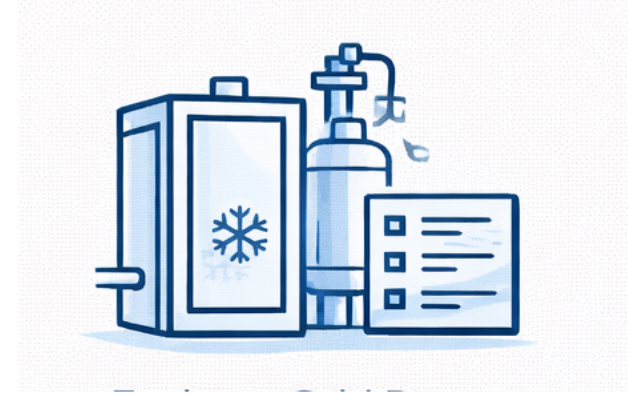
Step 5 — Evaluate Cold Box Process Conditions

The cold box contains the main cryogenic separation equipment, including heat exchangers and distillation columns. Engineers review: • Temperature profiles across heat exchangers • Column pressure balance • Liquid levels inside distillation columns • Pressure drop through the cold box Disturbances in these parameters often lead to plant shutdowns.
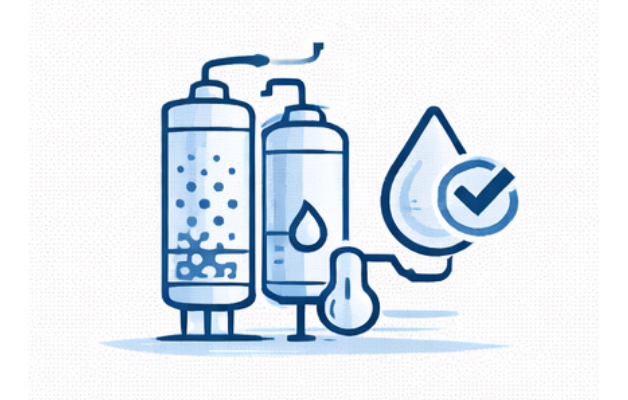
Step 6 — Inspect Air Purification and Feed Conditions

Upstream air purification problems can indirectly cause plant trips. Engineers verify: • Molecular sieve bed performance • Moisture or CO₂ breakthrough • Compressor oil carryover • Feed air flow stability Stable feed air conditions are essential for reliable cryogenic operation.

Engineers typically follow a structured cryogenic nitrogen plant troubleshooting guide to systematically identify the root cause of plant instability.

Engineering Insight

Most cryogenic nitrogen plant trips are not caused by sudden equipment failure.

In many cases, small process disturbances gradually develop into unstable operating conditions, eventually triggering protection systems. Careful monitoring of plant trends and early detection of abnormal operating patterns significantly reduces unexpected shutdown events.

Additional Engineering Support

While many operational disturbances in cryogenic nitrogen plants can be resolved through routine troubleshooting and operational adjustments, some plant issues require deeper engineering analysis. Complex problems such as repeated plant trips, unstable distillation column operation, refrigeration imbalance, or persistent nitrogen purity fluctuations may indicate underlying process design or equipment performance issues.

In such situations, specialized engineering evaluation can help identify root causes that are not immediately visible through routine plant monitoring.

Cryogenic nitrogen plant consulting services are available at:

Cryogenic Nitrogen Plant Consulting Services

Conclusion and Key Takeaways

Cryogenic nitrogen plants depend on stable operating conditions and reliable equipment performance to maintain continuous nitrogen production. When disturbances occur in key systems such as compressors, expanders, distillation columns, or cold box refrigeration, plant protection systems may trigger a shutdown to prevent equipment damage.

Understanding the common causes of cryogenic nitrogen plant trips allows plant engineers to diagnose operational problems more effectively and restore stable plant operation. Most shutdown events are not caused by sudden equipment failure but by gradual process instability, instrumentation issues, or improper operating conditions.

By analyzing plant operating trends, verifying instrumentation signals, and evaluating critical equipment performance, engineers can identify the root cause of trips and implement corrective measures that improve plant reliability.

Maintaining stable process parameters, monitoring key operating indicators, and following a structured troubleshooting approach helps minimize unexpected shutdowns and supports safe, efficient nitrogen production.

Key Takeaways for Plant Engineers

• Cryogenic nitrogen plant trips often result from process instability, equipment disturbances, or instrumentation faults.

• Early detection of abnormal operating conditions helps prevent sudden plant shutdowns.

• Reviewing plant operating trends before a trip provides valuable insights into developing process disturbances.

• Reliable instrumentation and properly tuned control systems are essential for stable plant operation.

• Regular monitoring of compressors, expanders, and cold box conditions helps reduce the frequency of plant trips.

• A structured troubleshooting approach allows engineers to quickly identify the root cause and restore stable nitrogen production.

Scroll to Top