

Stability and Performance Optimization in Cryogenic Nitrogen Plants
Practical Engineering Methods for Achieving Stable and Efficient Plant Operation
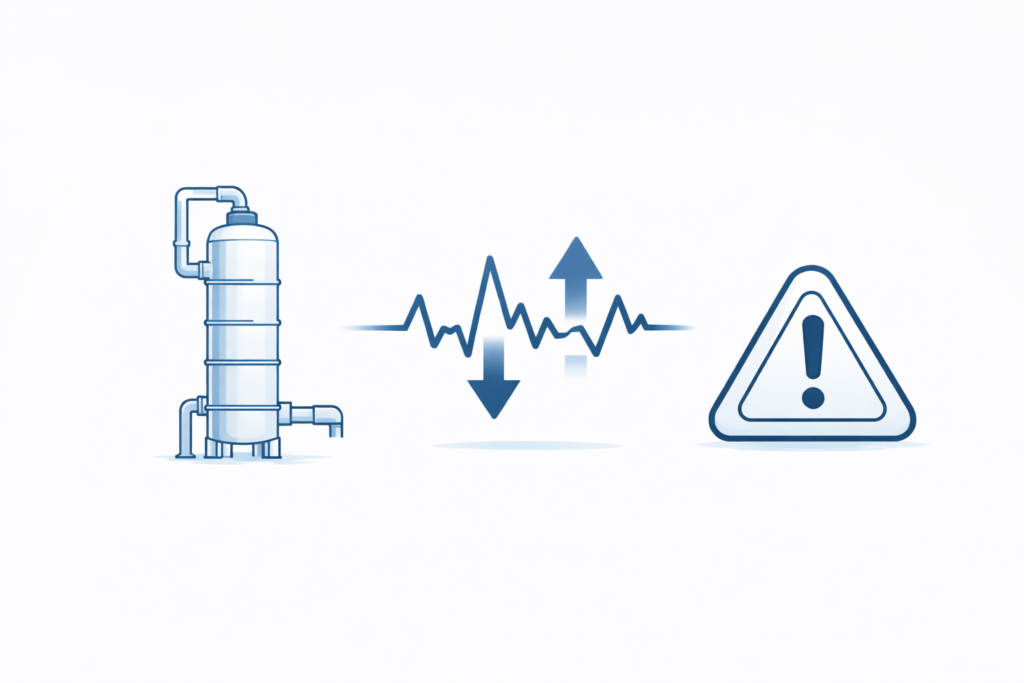
Maintaining stable operation is one of the most critical challenges in cryogenic air separation systems. Even small disturbances in feed conditions, control loops, or process balance can lead to purity fluctuations, plant trips, and reduced production efficiency.
Achieving reliable long-term operation requires careful monitoring of process conditions, correct control strategies, and systematic optimization of plant performance.
This guide explains the engineering principles behind cryogenic nitrogen plant stability and provides practical methods for diagnosing instability, improving process control, and optimizing overall plant performance.
Understanding Cryogenic Nitrogen Plant Stability
Cryogenic nitrogen plants rely on precise thermodynamic relationships between several key process units including compressors, purification systems, heat exchangers, and distillation columns.
Stable plant operation depends on maintaining the correct balance between these systems. When this balance is disturbed, process instability can occur.
Maintaining cryogenic nitrogen plant stability requires control of several critical parameters such as:
feed air pressure and flow rate
purification system performance
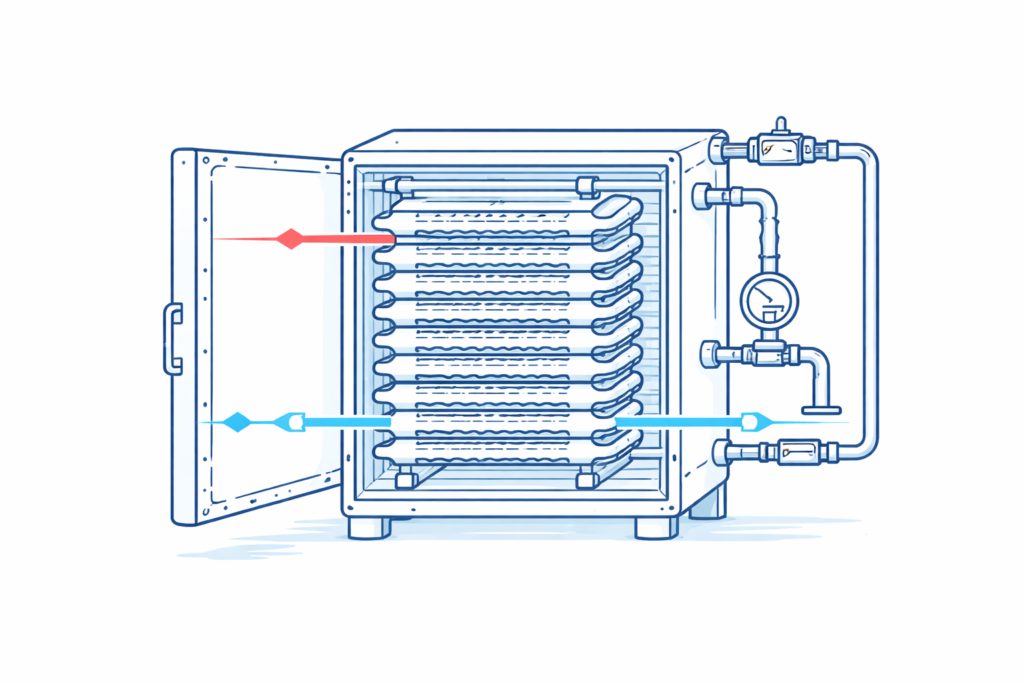
heat exchanger temperature profiles
distillation column pressure balance
nitrogen product purity
Because these variables are closely linked, disturbances in one system often affect other parts of the plant. For example, a change in feed air flow can influence column pressure, which may then affect nitrogen purity and refrigeration balance.
Understanding these process relationships is essential for maintaining long-term plant stability.
Why Cryogenic Nitrogen Plants Become Unstable
Operational instability in cryogenic plants usually occurs when process conditions move outside the designed operating envelope. Several common factors contribute to instability.
Common causes of cryogenic nitrogen plant instability include:
Feed Air Fluctuations
Changes in compressor discharge pressure or feed air flow can disturb the balance of the distillation column.
Feed instability often leads to:
nitrogen purity fluctuations
column pressure variations
unstable product flow
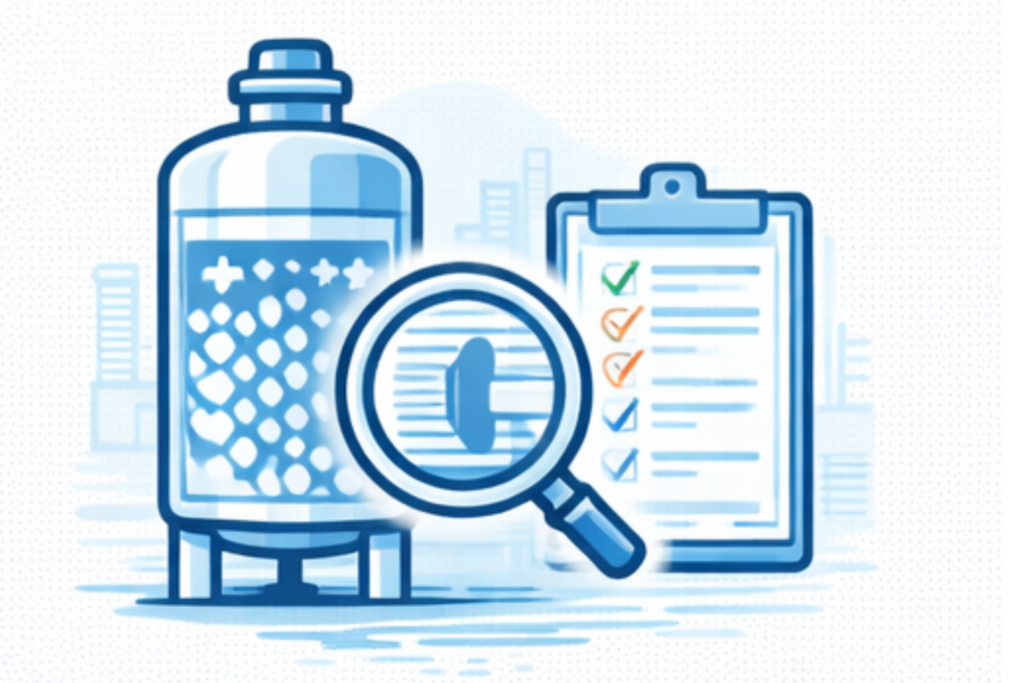
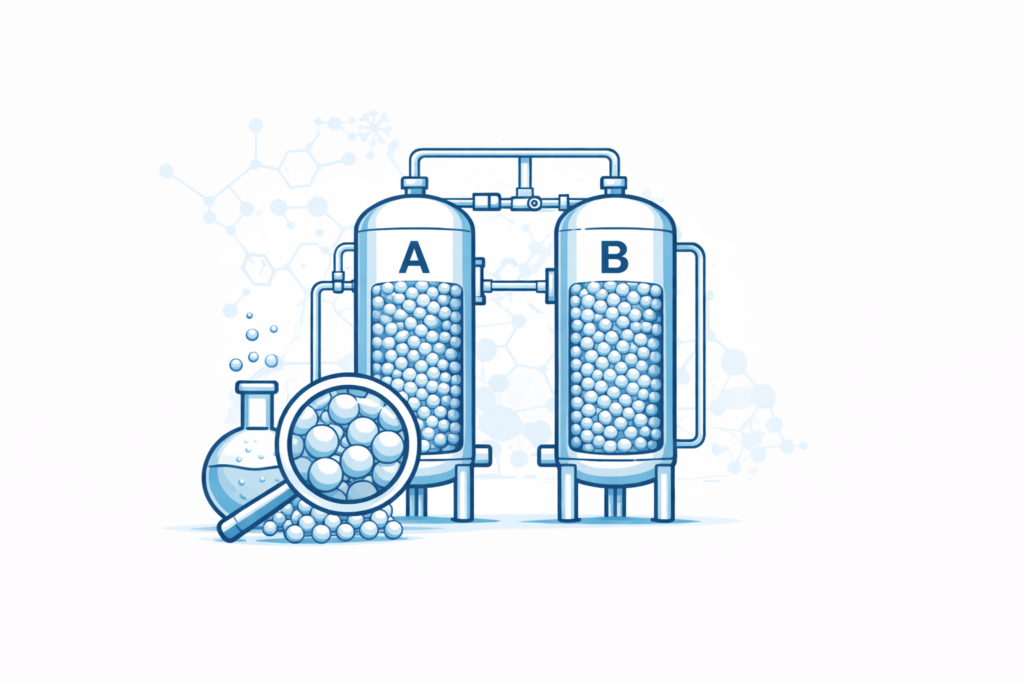
Molecular Sieve Performance Problems
If the air purification system does not remove moisture and carbon dioxide effectively, contaminants may enter the cryogenic section.
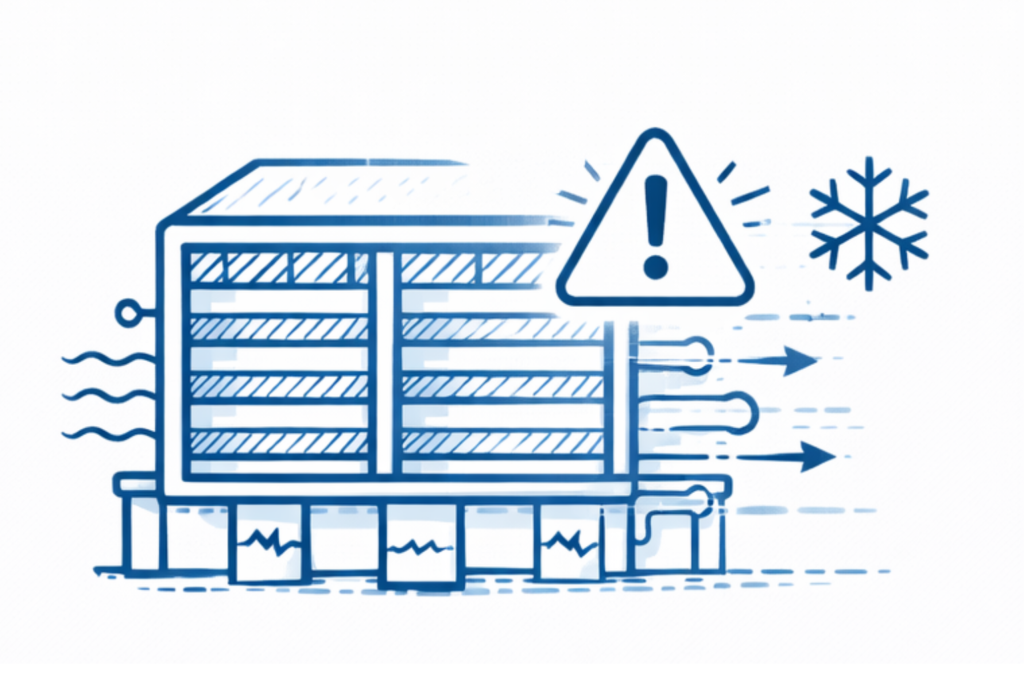
This can result in:
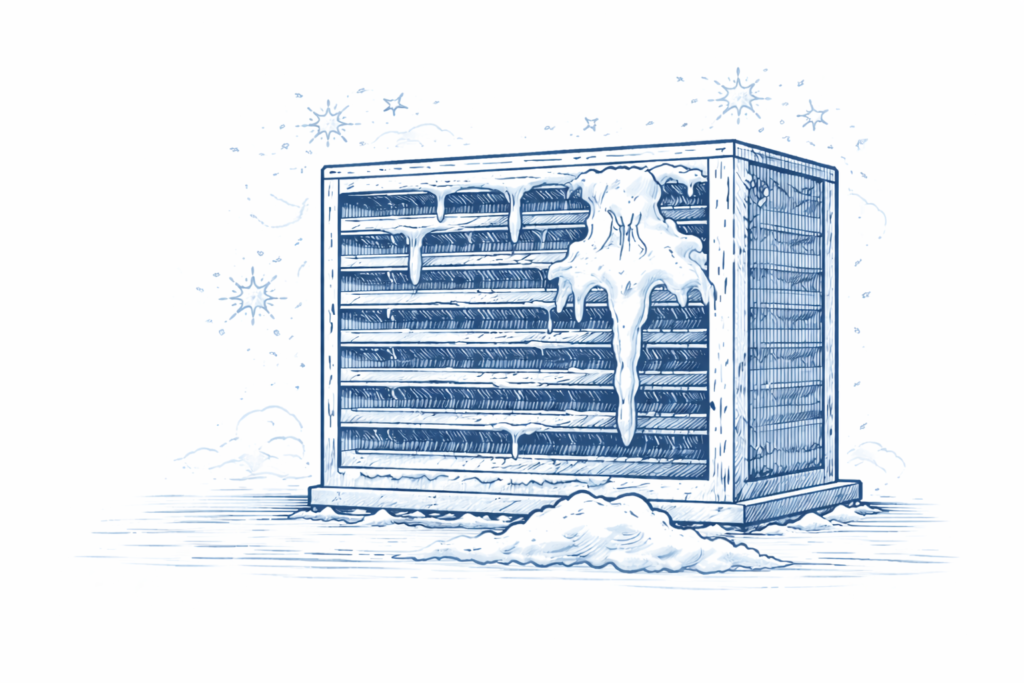
cold box icing
heat exchanger performance reduction
gradual loss of plant stability
Distillation Column Imbalance
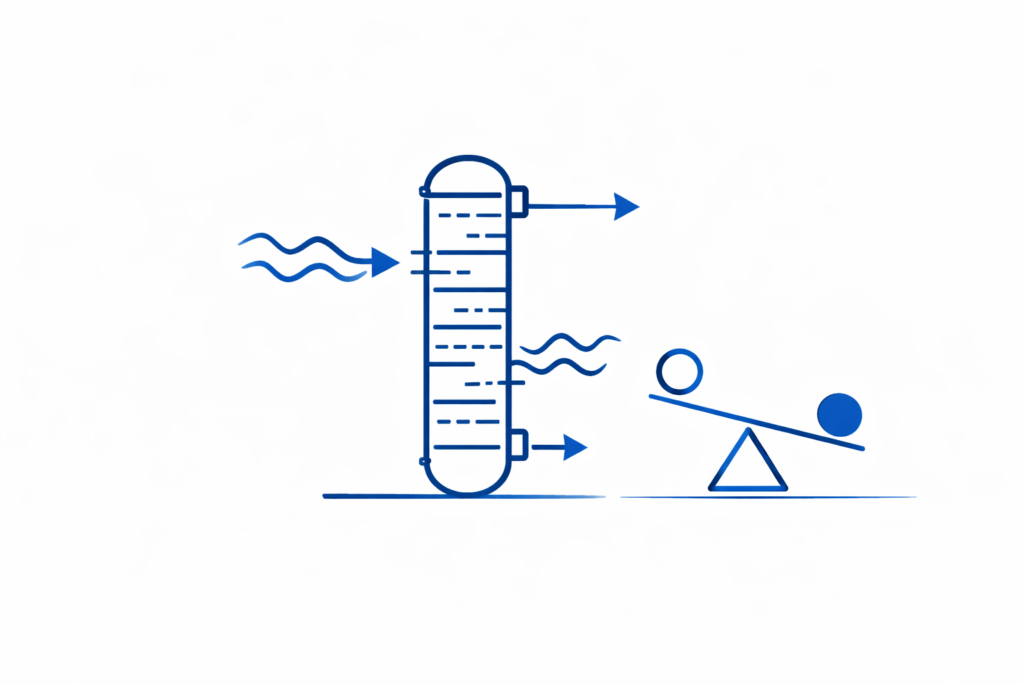
The distillation column must maintain precise vapor-liquid equilibrium to achieve nitrogen separation.
Instability may occur due to:
incorrect reflux conditions
column pressure fluctuations
improper feed distribution
Control System Instability
Poorly tuned control loops can cause oscillations in process variables such as pressure, flow, and temperature.
These oscillations often propagate through the plant and reduce overall stability.
Process Interdependence in Cryogenic Nitrogen Plants
Cryogenic nitrogen plants operate as integrated systems where process units are strongly interdependent.
This interdependence means that disturbances in one section of the plant can affect several other sections simultaneously.
For example, a decrease in compressor discharge pressure may reduce the feed air flow entering the purification system. This change can alter column operating conditions and influence nitrogen purity.
Similarly, poor purification performance may allow contaminants into the cryogenic section, affecting heat exchanger performance and distillation column efficiency.
Maintaining cryogenic nitrogen plant stability therefore requires engineers to analyze plant behaviour as an integrated process rather than focusing only on individual equipment items.
Understanding these process interactions is essential for diagnosing operational disturbances.
Indicators of Cryogenic Nitrogen Plant Instability
Plant engineers should monitor several operational indicators that may signal early instability.
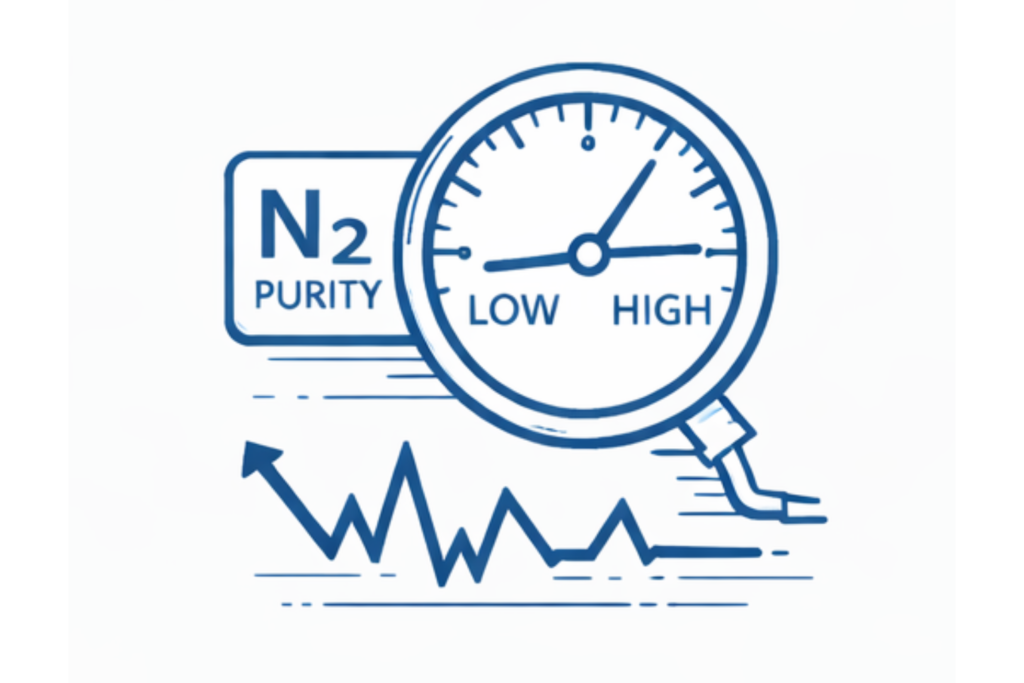
Nitrogen Purity Fluctuations
Unstable nitrogen purity often indicates disturbances in distillation column operation or feed air conditions.
Purity fluctuations may occur due to column pressure changes, reflux instability, or feed composition variations.
Oscillating Process Variables
Repeated oscillations in process variables such as pressure, flow, or temperature may indicate unstable control loops.
If not corrected, these oscillations can affect overall cryogenic nitrogen plant stability.
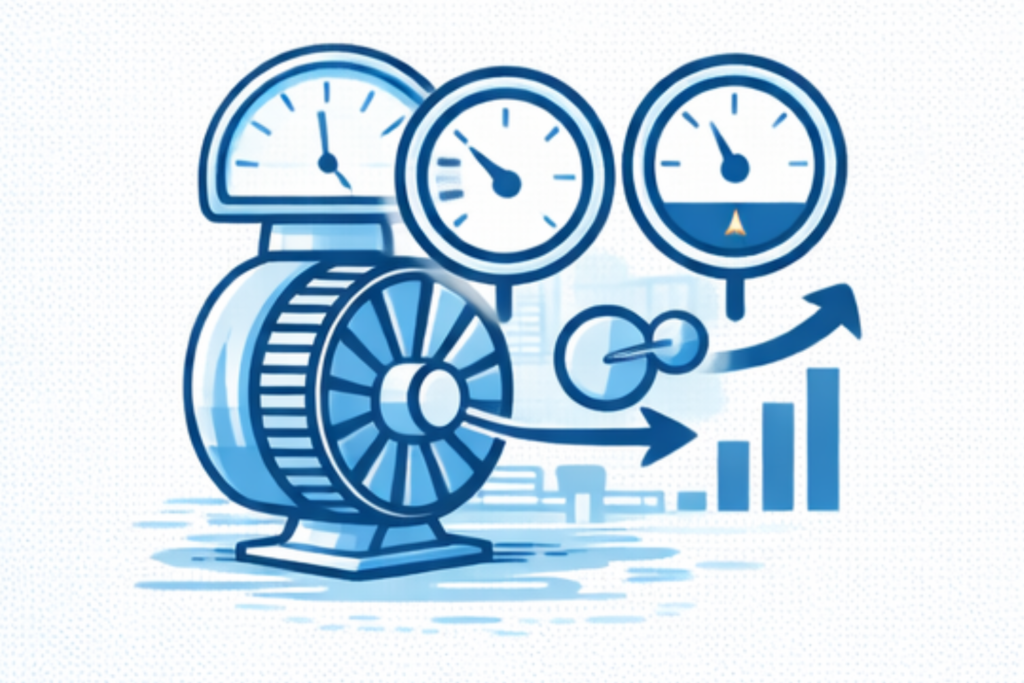
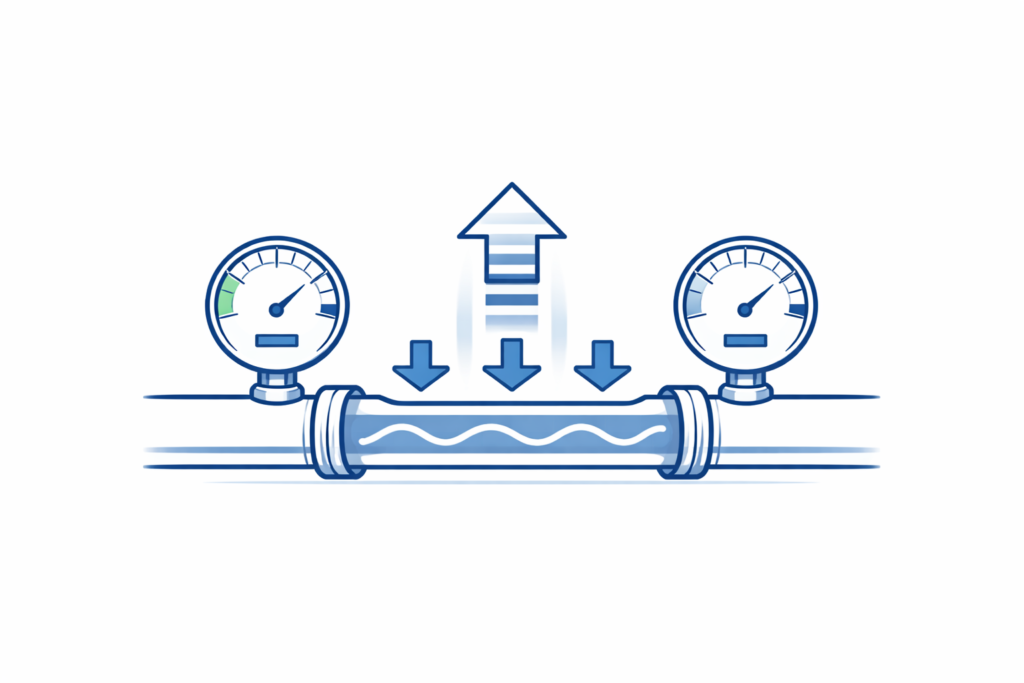
Increasing Pressure Drop
Rising pressure drop across heat exchangers, purification systems, or pipelines may indicate contamination, fouling, or flow restrictions.
Pressure drop increases can gradually affect plant performance and refrigeration balance.
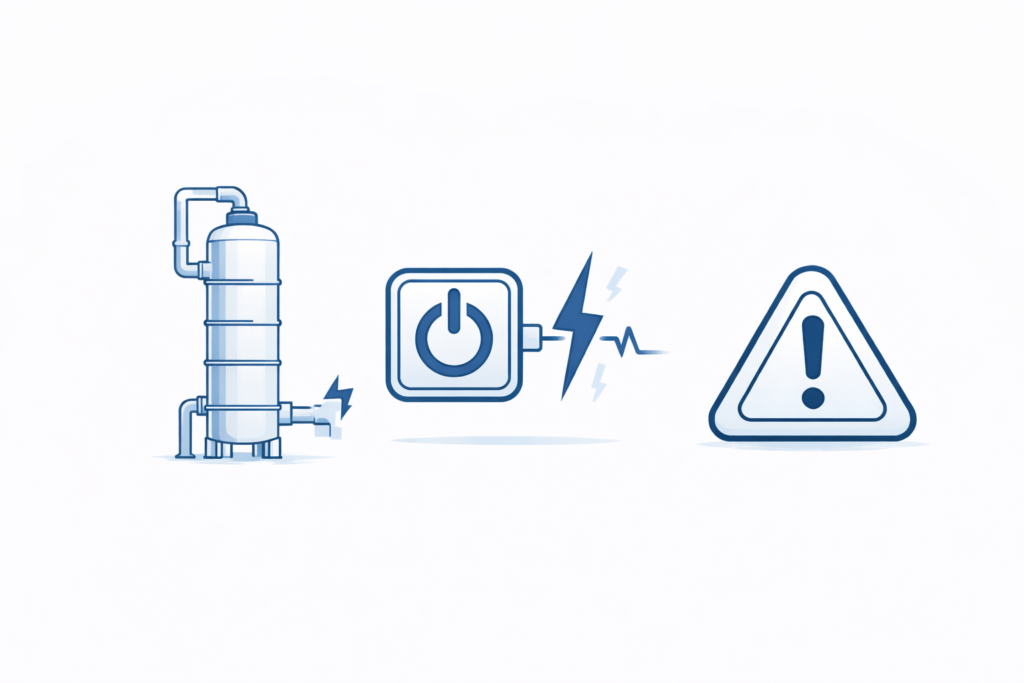
Frequent Plant Trips
Repeated plant shutdowns are often symptoms of deeper process instability. These trips may occur due to protection system activation when process conditions exceed safe limits.
Identifying the root cause of these disturbances is essential for restoring cryogenic nitrogen plant stability.
Engineering Methods for Improving Plant Stability
Improving cryogenic nitrogen plant stability requires systematic engineering analysis rather than reactive adjustments.
Several operational strategies can help maintain stable plant performance.

Maintain Stable Feed Conditions
Consistent compressor operation is essential for maintaining stable plant conditions. The air compression system should deliver steady pressure and flow to the purification unit. Stable feed conditions help maintain distillation column equilibrium. Stable feed conditions are a fundamental requirement for maintaining cryogenic nitrogen plant stability.

Optimize Molecular Sieve Regeneration
Proper regeneration of molecular sieve beds ensures effective removal of moisture and carbon dioxide from the incoming air. Maintaining correct switching cycles and regeneration temperatures helps preserve purification efficiency and prevents contamination of the cold box. Reliable purification is essential for maintaining long-term cryogenic nitrogen plant stability.
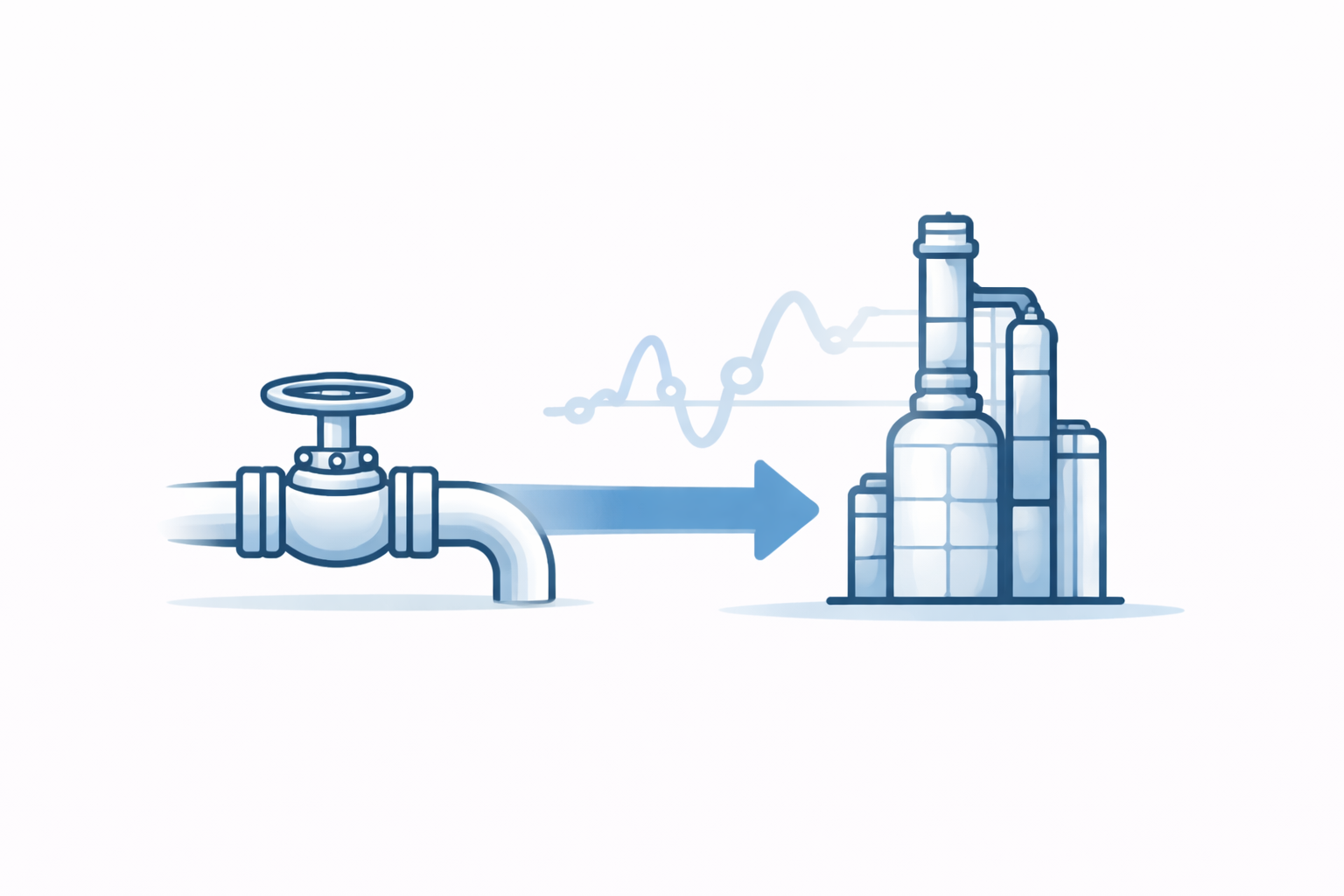
Balance Distillation Column Operation
Distillation column pressure must remain within the designed operating range. Large pressure variations can disturb vapor-liquid equilibrium and affect nitrogen separation efficiency. Maintaining stable column pressure helps ensure consistent nitrogen purity and overall process stability.

Maintain Instrument Accuracy
Process transmitters, analyzers, and control instruments must be calibrated regularly. Incorrect instrument readings may lead to improper control actions and unstable plant operation. Reliable instrumentation is therefore essential for maintaining cryogenic nitrogen plant stability.

Performance Optimization in Cryogenic Nitrogen Plants
In addition to maintaining stable operation, plant engineers often focus on improving production efficiency and reducing operating costs.
Performance optimization involves improving process efficiency, minimizing energy consumption, and preventing long-term performance degradation.
Reducing Energy Consumption
Air compressors represent the largest energy consumers in most nitrogen plants.
Improving compressor efficiency and minimizing pressure losses throughout the plant can significantly reduce energy consumption.
Energy optimization may involve:
improving compressor efficiency
minimizing pressure losses
maintaining heat exchanger performance
Improving Process Efficiency
Optimizing distillation column operating conditions can improve nitrogen recovery from the feed air.
Maintaining correct reflux ratios and column pressure balance helps maximize separation efficiency.
Improving recovery while maintaining cryogenic nitrogen plant stability can significantly enhance plant economics.
Preventing Performance Degradation
Over time, plant performance may decline due to contamination, fouling, or equipment wear.
Regular monitoring of plant parameters helps detect early signs of performance deterioration.
Preventive maintenance and operational discipline are important for maintaining stable and efficient plant operation.
Using Process Data for Stability Analysis
Modern nitrogen plants generate large volumes of operational data through distributed control systems.
Analyzing this data can provide valuable insights into plant behaviour and developing instability.
Trend analysis helps engineers identify gradual changes in process conditions that may affect cryogenic nitrogen plant stability.

Key variables that should be monitored include:
feed air pressure trends
column pressure variations
heat exchanger temperature differences
nitrogen purity fluctuations
compressor power consumption
Careful analysis of these trends allows engineers to identify root causes of operational disturbances and take corrective actions before plant performance deteriorates.
Long-Term Operational Stability Strategies
Maintaining stable plant operation requires consistent operational discipline.
Operators should avoid frequent manual adjustments that may disturb plant balance.
Maintaining cryogenic nitrogen plant stability requires:
Regular Instrument Calibration
Proper Molecular Sieve Maintenance
Monitoring Heat Exchanger Performance
Maintaining Stable Compressor Operation
Plants that maintain disciplined operational practices typically experience fewer disturbances and more reliable production.
Engineering Resources for Stability Improvement
Engineers responsible for plant operation can benefit from structured engineering resources designed to improve cryogenic nitrogen plant stability and performance optimization.
Available resources include:
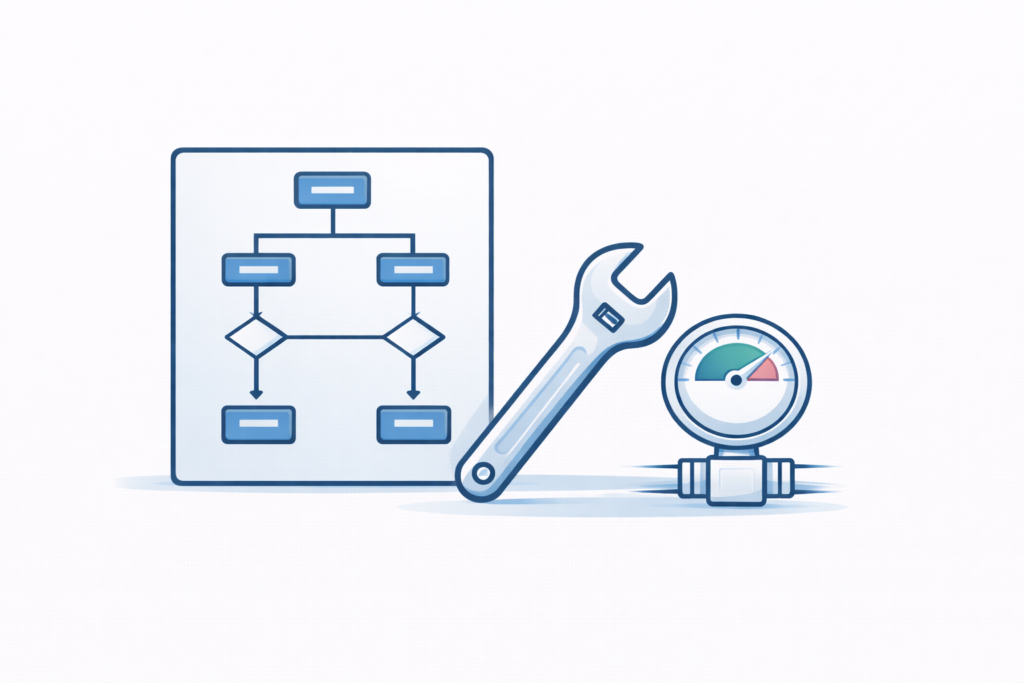
Cryogenic Nitrogen Plant Troubleshooting Guides
Practical troubleshooting references that help plant engineers identify root causes of operational problems such as purity fluctuations, cold box freezing, plant trips, and process instability.
Engineering Diagnostics Frameworks
Structured diagnostic approaches that allow engineers to systematically evaluate plant performance, isolate process disturbances, and determine the underlying causes of operational issues.
Operational Stability Improvement Methods
Engineering methods focused on improving process balance, control stability, and overall reliability to maintain consistent nitrogen purity and steady plant operation.
Process Trend Analysis Techniques
Analytical techniques for interpreting DCS process trends to detect early signs of plant instability, performance degradation, and abnormal operating conditions.
These resources provide practical tools for diagnosing instability and improving plant performance.
Related Engineering Insights
For deeper technical understanding of stability and performance issues, explore the following engineering insights:
Why Nitrogen Plant Purity Fluctuates
Nitrogen purity fluctuations are often caused by distillation column imbalance, unstable reflux conditions, feed pressure variations, or analyzer drift. This article explains the engineering reasons behind purity instability and how plant engineers can diagnose and correct the underlying process disturbances.
Molecular Sieve Failure in Cryogenic Nitrogen Plants
The molecular sieve system plays a critical role in removing moisture, carbon dioxide, and hydrocarbons from the incoming air stream. This article explains the common causes of molecular sieve failures, including incomplete regeneration, switching valve problems, and adsorbent degradation, and how these issues affect cryogenic plant operation.
Cold Box Freezing in Cryogenic Nitrogen Plants
Cold box freezing occurs when contaminants enter the cryogenic section and freeze within the heat exchanger passages. This article examines the process mechanisms that lead to icing or freezing, the early warning signs engineers should monitor, and practical troubleshooting approaches to prevent major plant disruptions.
Common Causes of Cryogenic Nitrogen Plant Trips
Unexpected plant trips can result from analyzer alarms, compressor protection systems, control system instability, or instrumentation faults. This article analyzes the most common trip scenarios in nitrogen plants and explains how engineers can identify the root cause and reduce recurring shutdowns.
Diagnosing Nitrogen Plant Instability Using Trend Data
Modern cryogenic plants generate extensive process data through distributed control systems. This article explains how engineers can use trend analysis of pressure, temperature, and purity data to detect early signs of instability and identify hidden operational problems.
Why Nitrogen Plant Energy Consumption Increases
Gradual increases in compressor power consumption often indicate process inefficiencies, heat exchanger fouling, pressure imbalance, or refrigeration system losses. This article explains the engineering factors that increase energy usage and how plant operators can improve overall plant efficiency.
Cryogenic Nitrogen Plant Stability Toolkit
A structured stability and performance optimization toolkit designed for engineers responsible for maintaining stable operation and improving the efficiency of cryogenic nitrogen plants.
The toolkit provides practical engineering frameworks, operational checklists, and performance monitoring methods that help improve plant stability and optimize process performance, including:
• stabilization of nitrogen purity and product flow
• identification and correction of process instability
• improvement of distillation column operational balance
• monitoring and interpretation of plant trend data
• optimization of compressor and refrigeration performance
• reduction of plant energy consumption
These resources help plant engineers maintain consistent plant stability and improve long-term operational performance using structured engineering methods rather than reactive adjustments.
Engineering Perspective on Cryogenic Nitrogen Plant Stability
Achieving stable operation in cryogenic nitrogen plants requires a deep understanding of plant thermodynamics and process interactions.
Maintaining cryogenic nitrogen plant stability involves continuous monitoring of plant conditions, disciplined operation, and systematic analysis of process data.
Plants that maintain stable operating conditions typically achieve higher reliability, improved efficiency, and fewer operational disruptions.
For complex operational challenges involving plant instability or performance problems, plant operators may benefit from specialized engineering support.
Need Support with Cryogenic Nitrogen Plant Stability?
Persistent plant instability, purity fluctuations, or declining performance often require deeper engineering analysis.
Plant operators and engineering teams facing complex operational challenges may benefit from specialized consulting support for cryogenic nitrogen plants.